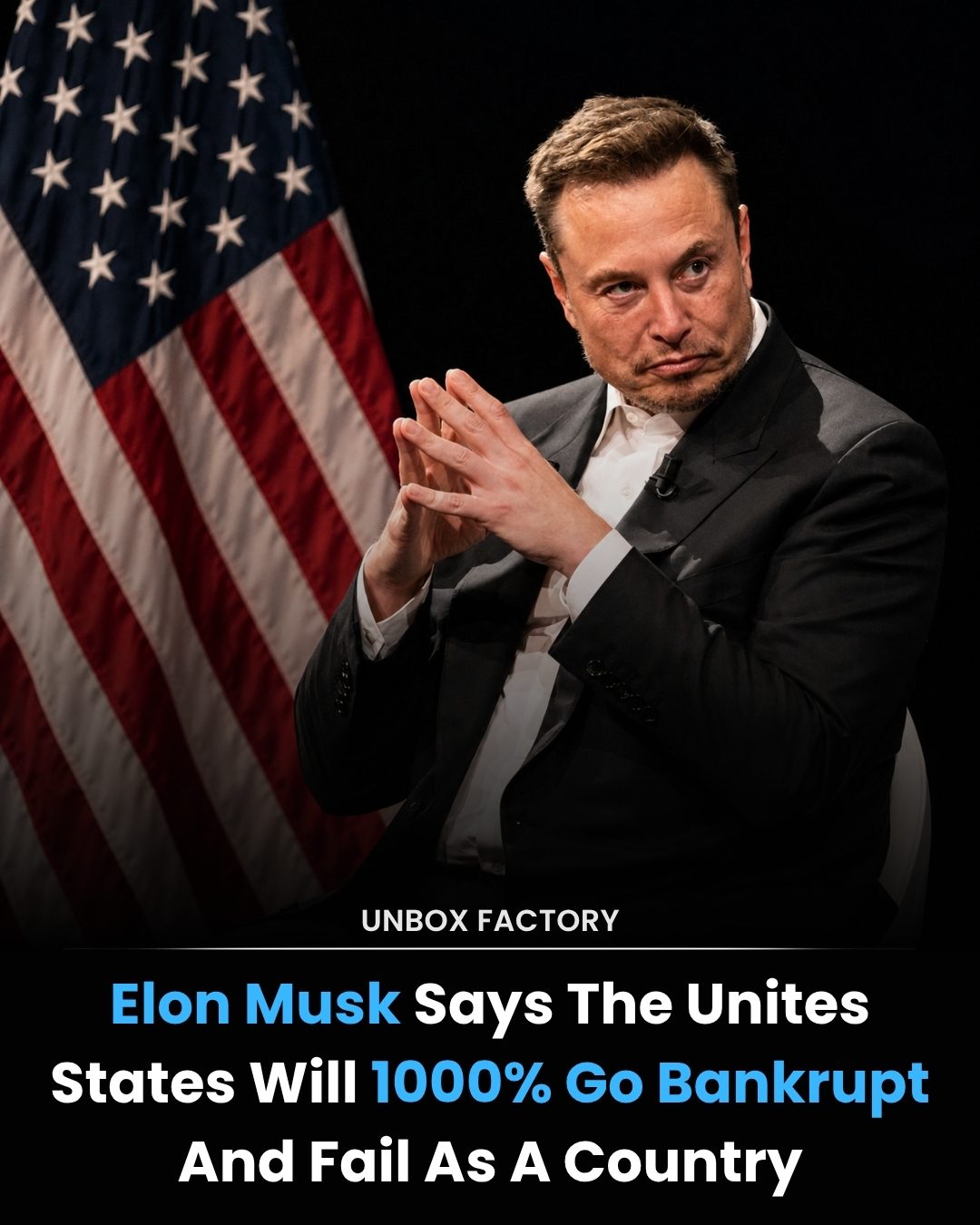
Elon Musk Predicts U.S. Fiscal Crisis
Context / Why this matters
Elon Musk's statements about the United States' economic health have caught attention recently, and for good reason. Musk, the CEO of multiple influential companies, has offered dire projections about the country's financial future. Understanding his perspectives and the broader context helps in evaluating the potential economic risks that lie ahead.
Elon Musk's Warning
Musk has been vocal about the U.S. facing a serious fiscal crisis. He repeatedly warns that if federal spending and government debt continue to outpace economic growth, the consequences could be disastrous. This warning comes at a time when the national debt has surpassed $40 trillion, and annual interest payments have climbed above $1 trillion. These interest payments are becoming one of the largest categories of federal spending, putting a significant strain on the national budget.
The Debt Dilemma
The U.S. national debt has reached unprecedented levels, and the interest payments on this debt are a growing concern. As interest rates rise, so do the costs of servicing the debt, which in turn increases the pressure on federal spending. This dynamic can create a vicious cycle where more debt is needed to cover interest payments, exacerbating the fiscal crisis.
Economists generally note that sovereign governments, unlike businesses, cannot go bankrupt in the conventional sense. However, rapidly rising debt levels can lead to significant long-term economic risks. These risks include reduced economic growth, higher inflation, and a potential loss of confidence in the U.S. economy globally.
Main discussion
Federal Spending and Debt Growth
Federal spending and government debt growth are at the heart of Musk's concerns. When government spending outpaces economic growth, it can lead to a situation where the government borrows more money to cover its expenses. This, in turn, increases the national debt and the associated interest payments, creating a cycle of dependency on borrowing.
Rising Interest Payments
Interest payments on the national debt are a growing concern. As the national debt increases, so do the interest payments. This creates a situation where a larger portion of the federal budget is allocated to servicing the debt, leaving less for other critical areas such as infrastructure, education, and social services. This can have long-term implications for economic growth and social stability.
Economic Risks and Long-Term Consequences
Rapidly rising debt levels can create significant economic risks. These risks include:
- Reduced Economic Growth: High levels of debt can stifle economic growth by diverting resources away from productive investments.
- Increased Inflation: Large-scale borrowing can lead to increased inflation, reducing the purchasing power of the currency.
- Loss of Global Confidence: High levels of debt and fiscal instability can erode global confidence in the U.S. economy, leading to capital outflows and a weaker currency.
Elon Musk's Perspective on Sovereignty
Elon Musk's warnings are rooted in his view that sovereign governments, while not subject to bankruptcy in the same way businesses are, face significant economic risks when national debt spirals out of control. This perspective highlights the need for prudent fiscal management to avoid long-term economic challenges.
Practical tips
Monitoring Debt Levels
Keeping a close eye on national debt levels and interest payments is crucial. Understanding these metrics can help individuals and policymakers make informed decisions about future spending and borrowing. Tools like the U.S. Treasury's data releases and economic reports provide valuable insights into the current state of the national debt.
Promoting Economic Growth
Promoting economic growth is essential to mitigate the risks associated with high levels of national debt. Policies that encourage innovation, entrepreneurship, and investment can help drive economic growth and create a more stable fiscal environment. Supporting industries that drive economic expansion can help reduce reliance on borrowing.
Debt Management and Fiscal Responsibility
Encouraging fiscal responsibility and prudent debt management practices is critical. This includes implementing policies that control spending, improve revenue collections, and promote investments in infrastructure and other productive areas. Balancing the budget and reducing the national debt can help create a more sustainable fiscal environment.
Diversifying Revenue Streams
Diversifying revenue streams can help mitigate the risks associated with fiscal instability. This can include promoting small business growth, encouraging foreign investment, and exploring new revenue sources such as digital currencies and innovative financial instruments. Diversifying revenue can help reduce reliance on traditional borrowing and create a more robust fiscal landscape.
Preparing for Economic Uncertainty
Preparing for economic uncertainty is crucial in times of fiscal instability. Building financial reserves, investing in stable assets, and diversifying investment portfolios can help individuals and businesses navigate economic turbulence. Staying informed about economic trends and policy changes can also help in making proactive decisions.
Important takeaways
Elon Musk's warnings about the U.S. facing a fiscal crisis underscore the importance of addressing rising national debt and interest payments. These issues pose significant long-term economic risks, including reduced economic growth, increased inflation, and potential loss of global confidence. By monitoring debt levels, promoting economic growth, and encouraging fiscal responsibility, policymakers and individuals can work towards creating a more stable and sustainable economic environment.
The Path Forward
Addressing the fiscal challenges posed by rising national debt and interest payments requires a multi-faceted approach. This includes promoting economic growth, encouraging fiscal responsibility, and diversifying revenue streams. By taking proactive measures, policymakers and individuals can work towards creating a more stable and sustainable fiscal environment, mitigating the risks associated with high levels of national debt.
Building Resilience
Building resilience in the face of economic uncertainty is crucial. This involves promoting innovation, supporting small businesses, and encouraging investment in productive areas. By fostering a culture of fiscal responsibility and economic growth, individuals and policymakers can work towards creating a more resilient and sustainable fiscal landscape.
Conclusion
Elon Musk's warnings about the U.S. facing a fiscal crisis serve as a stark reminder of the need for prudent fiscal management. By understanding the issues and taking proactive measures, individuals and policymakers can work towards creating a more stable and sustainable economic environment. Addressing the challenges posed by rising national debt and interest payments will require a concerted effort, but it is essential for ensuring long-term economic stability and prosperity.
Watch the Reel
Recent articles
Fresh deep dives from the latest Reels we unpacked.




Comments
Be the first to comment.