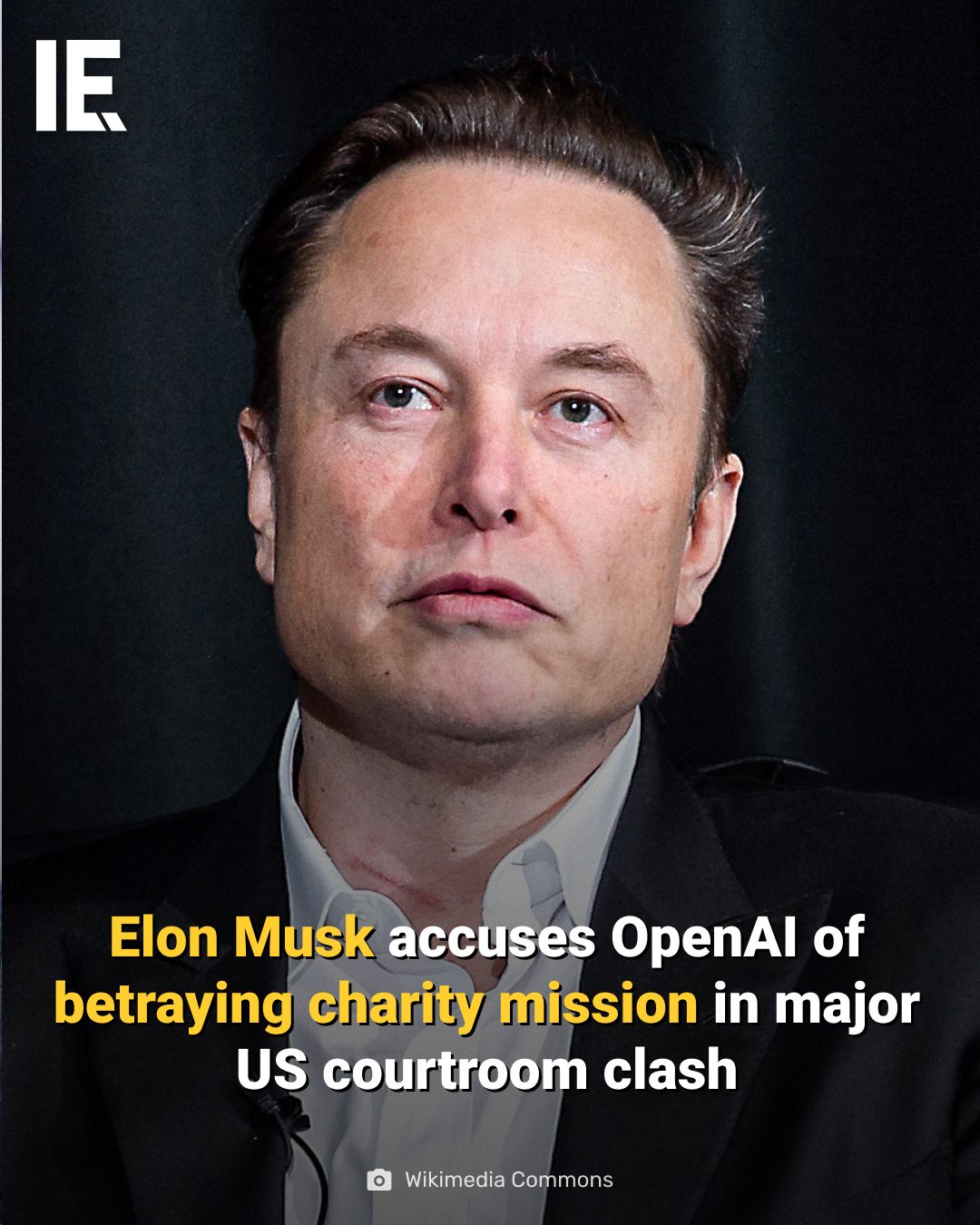
Elon Musk vs. OpenAI: The Charity Mission Dispute
The legal battle between Elon Musk and OpenAI has sparked significant interest, with each side accusing the other of wrongdoing. Musk has taken to the court to accuse OpenAI of betraying a charity mission, while OpenAI counters that Musk's actions were motivated by a desire for control. This high-profile clash involves complex issues of ethics, technology, and philanthropy.
Why This Matters
The dispute between Elon Musk and OpenAI is more than just a legal battle; it has broader implications for the tech industry and the world of philanthropy. The accusations of betrayal and control highlight the delicate balance between entrepreneurship and ethical responsibility. As both parties are influential figures in the tech world, their actions and decisions can shape the future of artificial intelligence and philanthropic efforts. Understanding the nuances of this legal dispute can provide insights into the motivations and strategies of key players in the tech industry.
The History of the Dispute
The Initial Agreement
The roots of the current legal battle can be traced back to the initial agreement between Elon Musk and OpenAI. Originally, the two parties collaborated on a charity mission aimed at advancing artificial intelligence in a responsible and ethical manner. This mission was aligned with Musk's broader goals of promoting sustainable energy and innovative technologies that could benefit humanity.
The Allegations
Elon Musk's accusations against OpenAI center around the idea that the organization has betrayed the original charity mission. According to Musk, OpenAI has misused funds and resources, deviating from the ethical guidelines set by the mission. He contends that OpenAI has acted in a manner that prioritizes corporate interests over the altruistic goals they initially agreed upon.
OpenAI's Response
OpenAI, on the other hand, maintains that Musk's actions were driven by a desire for control. They argue that Musk sought to exert undue influence over the organization, potentially compromising its independence and ability to innovate. This counters Musk's narrative, casting him as a power-hungry figure rather than a philanthropic visionary.
The Legal Battle
The Courtroom Clash
The legal dispute has culminated in a major courtroom clash, where both sides have presented their arguments in front of a US judge. The courtroom setting underscores the gravity of the allegations and the potential consequences for both parties. The outcome of this legal battle could set precedents for future disputes in the tech industry, particularly those involving philanthropic and ethical considerations.
Key Points of the Case
The case hinges on several critical points:
-
Misuse of Funds: Musk alleges that OpenAI has misappropriated funds intended for the charity mission. This includes claims of financial mismanagement and the redirection of resources towards projects that do not align with the original mission.
-
Ethical Guidelines: Both parties have accused each other of violating the ethical guidelines set out in their initial agreement. This raises questions about the integrity and accountability of organizations involved in high-stakes philanthropy.
-
Control and Independence: OpenAI's defense centers around the idea that Musk sought to exert excessive control over the organization, potentially undermining its autonomy and ability to function independently.
Practical Tips for Navigating Legal Disputes in Tech and Philanthropy
Clarify Objectives Early
To avoid similar disputes, it is crucial to clearly define the objectives and ethical guidelines of any collaboration from the outset. Both parties should establish a detailed mission statement and set of principles that guide their actions and decisions. This can help prevent misunderstandings and misinterpretations in the future.
Regularly Review Agreements
Regularly reviewing and updating agreements can ensure that all parties remain aligned with the original mission. This includes periodic assessments of how funds and resources are being used and whether they continue to support the agreed-upon goals. Transparent communication and accountability are essential in maintaining trust and integrity.
Seek Independent Oversight
Engaging independent oversight bodies can provide an additional layer of accountability and transparency. These bodies can monitor the implementation of the charity mission and ensure that all parties adhere to the agreed-upon ethical guidelines.
Important Takeaways
The Importance of Ethics
The dispute between Elon Musk and OpenAI highlights the importance of ethics in both the tech industry and philanthropy. Organizations must prioritize ethical considerations to maintain public trust and credibility.
The Need for Transparency
Transparency is crucial in any collaboration, particularly when it involves philanthropic efforts. Both parties should be transparent about their actions, decisions, and the use of resources to avoid misunderstandings and conflicts.
The Role of Independent Oversight
Independent oversight can play a critical role in ensuring that philanthropic missions are carried out ethically and responsibly. This can help prevent disputes and maintain the integrity of the mission.
Conclusion
The legal battle between Elon Musk and OpenAI is a complex and multifaceted issue that touches on various aspects of the tech industry and philanthropy. Increasing transparency, strong ethical guidelines, and independent oversight can mitigate the risks of similar disputes in the future.
Watch the Reel
Questions readers ask
What is the core of Elon Musk's lawsuit against OpenAI?
Elon Musk's lawsuit against OpenAI centers around the claim that OpenAI has betrayed the original charity mission they both agreed to when Musk was involved with the organization. The mission was aimed at ensuring the benefits of AI would be widely shared for the enhancement of humanity. Musk asserts that OpenAI shifted its focus towards for-profit ventures, and sold 49% of the shares of its subsidiary to Microsoft, which is against the original non-profit charter.
How does OpenAI respond to Elon Musk's accusations?
OpenAI counters that Musk's actions were driven by a desire for control over the organization, rather than a genuine concern for their shared mission. They allege that Musk sought to exert excessive influence over OpenAI's operations and direction, leading to his departure from the organization. They also claim that the lawsuit is an attempt to distract from Musk's own history of conflicts of interest.
What are the broader implications of this dispute?
This dispute goes beyond a personal legal battle and touches on important issues in the tech industry. It raises questions about the balance between entrepreneurship and ethical responsibility, as well as the role of philanthropy in technology. The outcome could set precedents for how tech organizations approach charitable missions and the consequences of deviating from them.
What role does AI ethics play in this controversy?
AI ethics is a central theme in the Musk vs. OpenAI dispute. The debate revolves around whether OpenAI's shift towards for-profit ventures aligns with ethical AI development principles. The controversy highlights the tensions between maximizing profits and ensuring that AI technology benefits society as a whole. It also brings up issues of transparency and accountability in AI development.
What does the OpenAI ethics debate mean for the future of AI philanthropy?
The OpenAI ethics debate has significant implications for AI philanthropy. It prompts a re-examination of the goals and methods of philanthropic initiatives in the AI sector. Key stakeholders may need to reassess their strategies to ensure that their work aligns with widely accepted principles of ethical AI development. This could lead to a more nuanced view of how to balance philanthropic and commercial interests in the technology sector.
How has Elon Musk's control issues influenced the dispute?
Elon Musk's alleged desire for control has played a significant role in the dispute. OpenAI claims that Musk's actions were motivated by a need to exert influence over the organization, leading to disagreements and his eventual departure. This aspect of the controversy underscores the importance of governance structures in tech organizations, particularly those with philanthropic aims. It also raises questions about the potential for conflicts of interest in such organizations.
What kind of precedents might this legal battle set for the technology industry?
The legal battle between Elon Musk and OpenAI could set important precedents in the technology industry. It could influence how organizations approach their charitable missions, especially in regard to transparency and accountability. It could also shape future discussions about the balance between profit-driven ventures and non-profit objectives, as well as the ethical responsibilities of tech leaders and organizations.
Related deep dives
Similar reads based on topic and creator.


Recent articles
Fresh deep dives from the latest Reels we unpacked.




Comments
Be the first to comment.