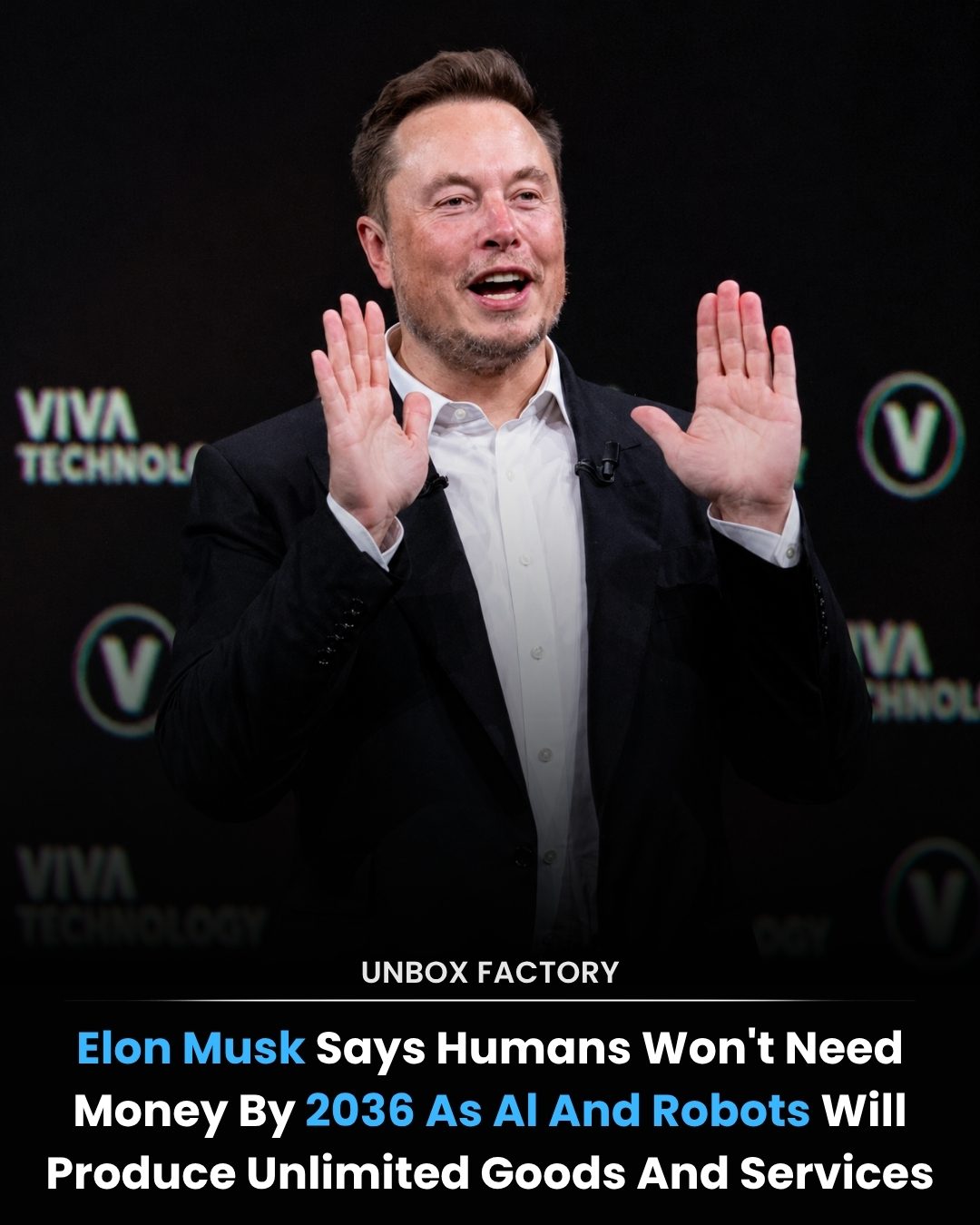
Elon Musk's Vision of a Future Without Money
Elon Musk has never been shy about sharing his bold predictions for the future. His latest forecast is both ambitious and thought-provoking: he believes that within the next decade or so, humans could be living in a world where traditional economic models based on scarcity—and even the need for money—are fundamentally altered. This vision is driven by rapid advancements in artificial intelligence (AI), humanoid robots, and autonomous manufacturing. Musk argues that these technologies have the potential to create an era of "radical abundance" by around 2036, where robots perform most physical labor and AI manages much of the world's knowledge work.
Why This Matters
The implications of Musk's prediction are vast and far-reaching. If goods and services become effectively unlimited, it could challenge the very foundations of our current economic systems. The transition to a post-scarcity world would require solving numerous challenges, including energy supply, raw materials, distribution, regulation, and inequality. These challenges are significant, but they are not insurmountable.
Main Discussion
The Role of AI and Robotics
AI and Generative AI:
Musk's prediction is grounded in the rapid advancements in AI. Generative AI, in particular, has shown remarkable progress in recent years. This technology can create new content, such as images, music, and even written text, that is virtually indistinguishable from content created by humans. As generative AI continues to evolve, it has the potential to handle a wide range of knowledge work, from data analysis to creative tasks.
Humanoid Robots:
Tesla's Optimus humanoid robot program is a key driver of Musk's forecast. Optimus is designed to perform a variety of tasks, from manufacturing to household chores. If successful, humanoid robots could replace humans in many labor-intensive jobs. This would not only increase productivity but also free up human time for more creative and fulfilling pursuits.
Autonomous Manufacturing:
Autonomous manufacturing involves the use of robots and AI to produce goods without human intervention. This technology is already being used in various industries, from automotive to electronics. As it becomes more advanced, it could lead to a world where goods are produced in abundance, with minimal cost and environmental impact.
Challenges to Overcome
Despite the potential benefits of a post-scarcity world, there are significant challenges that need to be addressed. These include:
Energy Supply:
To power a world of abundant robots and AI systems, we will need a reliable and sustainable energy supply. While advancements in renewable energy sources like solar and wind power are promising, they are not yet sufficient to meet the demands of a highly automated society. Innovations in energy storage and distribution will be crucial.
Raw Materials:
The production of AI systems, robots, and autonomous manufacturing systems requires a wide range of raw materials, many of which are finite. As demand for these materials increases, so too will the need for sustainable and ethical sourcing practices.
Distribution:
Even if goods and services are produced in abundance, they still need to be distributed to those who need them. This requires a robust and efficient logistics infrastructure, which may need to be significantly upgraded to handle the increased demand.
Regulation:
The rapid advancement of AI and robotics raises numerous regulatory challenges. These range from ensuring the safety and security of AI systems to addressing potential job displacement and the ethical implications of AI decision-making.
Inequality:
One of the biggest challenges in creating a post-scarcity world is addressing inequality. If the benefits of AI and robotics are not evenly distributed, it could exacerbate existing social and economic disparities. Ensuring that everyone has access to the benefits of these technologies will be crucial.
Practical Tips
If you're interested in staying informed about the latest developments in AI and robotics, here are some practical tips:
Stay Informed
Keep up to date with the latest research and news in AI and robotics. Follow industry experts, attend conferences and webinars, and read reputable publications. Websites like IEEE Spectrum, TechCrunch, and Wired offer a wealth of information on these topics.
Engage with the Community
Join online forums and communities dedicated to AI and robotics. These can be great places to learn, ask questions, and share your own insights. Some popular forums include Reddit's r/MachineLearning and r/Robotics, as well as specialized groups on LinkedIn.
Experiment and Innovate
If you have the means, consider getting involved in AI and robotics projects yourself. This could be anything from building your own robot to experimenting with generative AI. Many open-source resources and communities can help you get started.
Attend Events
Industry events like the VIVA TECHNOLOGY conference, where Musk shared his prediction, are excellent opportunities to learn from experts, network with fellow enthusiasts, and stay informed about the latest trends and innovations.
Embrace Continuous Learning
AI and robotics are fields that are constantly evolving. Embrace a mindset of continuous learning and be open to new ideas and technologies. This will help you stay relevant and informed in a rapidly changing landscape.
Important Takeaways
Elon Musk's prediction of a future without money is both exciting and daunting. The potential for AI and robotics to create an era of radical abundance is immense, but so too are the challenges that need to be overcome. Here are some key takeaways:
- AI and robotics have the potential to transform our world in profound ways, from creating unlimited goods and services to freeing up human time for more creative pursuits.
- Numerous challenges need to be addressed, including energy supply, raw materials, distribution, regulation, and inequality.
- Staying informed, engaging with the community, experimenting and innovating, and embracing continuous learning are all essential for navigating this rapidly changing landscape.
Conclusion
The future envisioned by Elon Musk is one of radical abundance, where the need for money could be fundamentally altered by advances in AI and robotics. While the path to this future is fraught with challenges, the potential benefits are immense. By staying informed, engaging with the community, and embracing continuous learning, we can all play a role in shaping this exciting and transformative future.
Watch the Reel
Questions readers ask
What is the basis for Elon Musk's prediction that money may not be needed by 2036?
Musk's prediction is founded on the anticipated rapid advancements in artificial intelligence (AI) and robotics. He envisions a future where these technologies handle most of the work, leading to an abundance of goods and services, thus reducing the need for traditional economic transactions.
What does 'radical abundance' mean in the context of Elon Musk's 2036 prediction?
Radical abundance refers to a future where essential goods and services are so plentiful and easily accessible that they are virtually free. This is expected to occur due to advanced AI and robotics performing most tasks, leading to a significant surplus of resources.
How does Elon Musk envision AI contributing to a future without money?
Elon Musk foresees AI managing a significant portion of the world's knowledge work, including complex tasks that currently require human intelligence. By handling these tasks, AI could help produce goods and services at a minimal cost and enable an automated economic system.
What role do robots play in Elon Musk's 2036 prediction?
Robots are expected to perform most physical labor in this future scenario. This includes manufacturing, construction, and other manual tasks. With robots handling these roles, human effort in these areas would be minimized, contributing to the overall abundance of goods and services.
How might a future without money impact society?
A future without money could lead to significant changes in how society functions. Traditional economic models based on scarcity would be replaced by systems focused on sharing resources efficiently. This could potentially reduce economic inequality and increase overall well-being.
Related deep dives
Similar reads based on topic and creator.

Recent articles
Fresh deep dives from the latest Reels we unpacked.




Comments
Be the first to comment.