The Legal Battle Over OpenAI
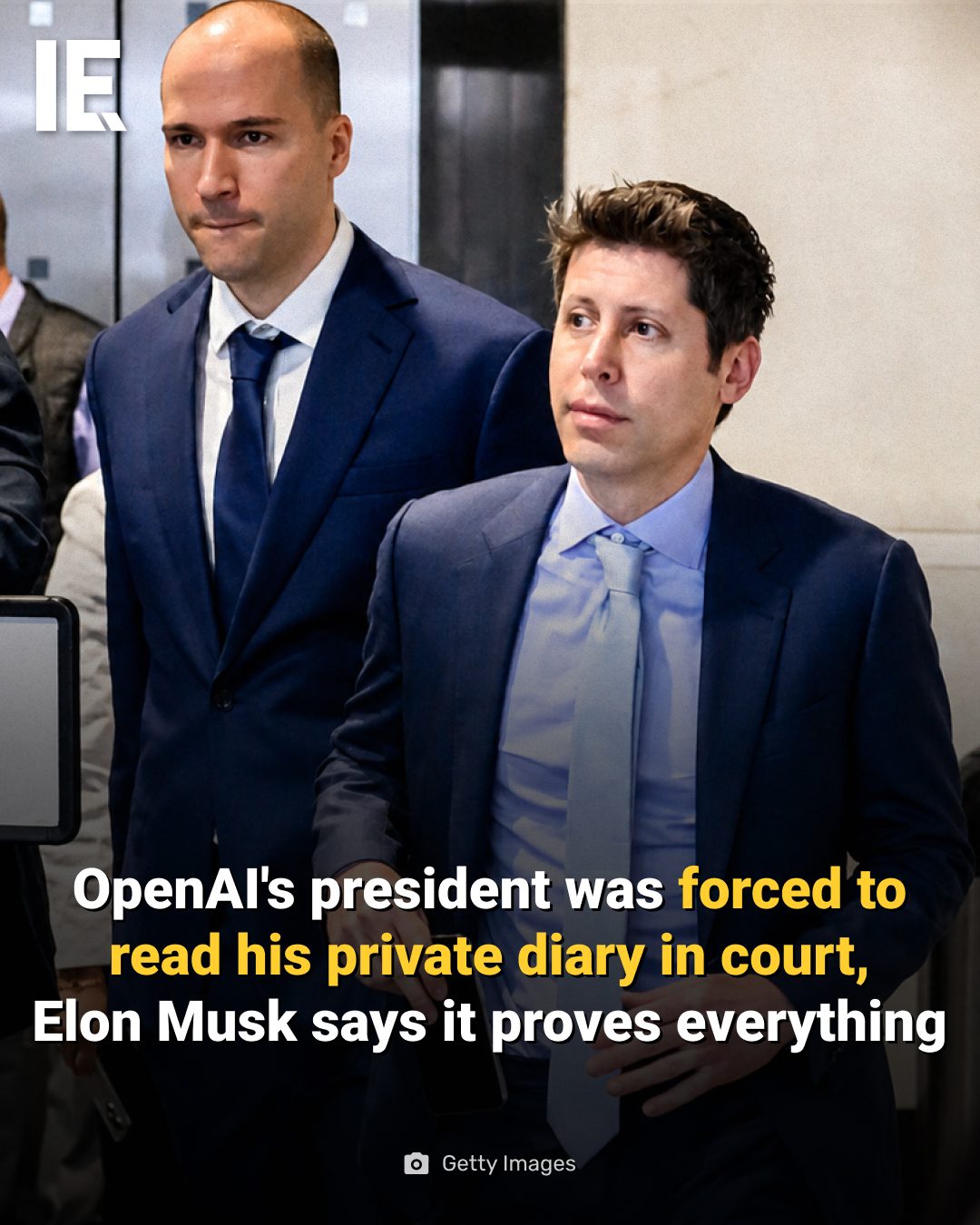
Elon Musk's lawsuit against OpenAI is a gripping legal saga that has captured the attention of the tech world. The high-stakes case involves a feast of intricate details and reveals much about the inner workings of one of the most influential AI organizations. At the heart of the legal battle is the reading of personal journal entries by Greg Brockman, the president of OpenAI, who was forced to publicly share intimate thoughts and musings he never intended to see the light of day. This conflict is pivotal in understanding the dynamics and motivations behind the decisions that led to the creation of OpenAI's for-profit arm.
Why This Matters
The lawsuit is more than just a legal dispute; it highlights the complex intersection of personal ambition, public responsibility, and the rapid evolution of artificial intelligence. Musk's central claim is that OpenAI has abandoned its original mission to create a nonprofit organization that prioritizes the public good over financial gain. The case underscores the delicate balance that tech giants must maintain between innovation, profit, and societal impact. The details of Brockman's journal entries, particularly the one where he pondered what it would take to reach a billion dollars, are at the heart of the controversy. This raises fundamental questions about the motivations and priorities of those leading the charge in AI development.
The Key Players and Their Roles
Elon Musk
Elon Musk, the billionaire entrepreneur and CEO of SpaceX and Tesla, has long been a key figure in the tech world. His lawsuit against OpenAI stems from a belief that the organization has strayed from its original vision of being a nonprofit entity dedicated to advancing AI for the benefit of humanity. Musk’s central claim is that OpenAI's leaders prioritized personal enrichment over the nonprofit mission. This accusation has added an intense layer of tension to the already high-stakes world of AI development.
Greg Brockman
Greg Brockman, the president of OpenAI, has found himself at the center of this legal storm. During the trial, he was compelled to read from his personal journal entries, which included candid and introspective thoughts. One particularly noteworthy entry from 2017 asked, "Financially, what will take me to $1B?" This entry was highlighted by Musk's lawyers to argue that Brockman and other OpenAI leaders were driven by personal financial gain rather than a commitment to the organization's nonprofit mission. Brockman’s testimony, which included the struggle of reading these private thoughts in public, provides a deeper look into the emotional and ethical dimensions of this legal battle.
The Impact of OpenAI’s Transition
The decision to create a for-profit arm within OpenAI has been a critical point of contention in this legal battle. Brockman testified that the decision to move towards a for-profit model was not a unilateral decision made by him but involved all co-founders. This assertion challenges Musk's claims that the shift was driven by personal financial ambition. It is a crucial aspect of the debate, as it speaks to the complexity of decision-making within such influential organizations. The creation of a for-profit arm within OpenAI is a significant move that has broader implications for the tech industry and the future of AI development.
Practical Tips for Navigating the AI Industry
The OpenAI lawsuit offers several practical insights for individuals and organizations navigating the complex landscape of AI development:
-
Transparency and Accountability: Ensure that all decisions, especially those involving significant shifts in organizational structure, are made transparently and with accountability. Involving all stakeholders in the decision-making process can mitigate potential disputes and maintain trust.
-
Ethical Considerations: Prioritize ethical considerations in all AI-related projects. This includes balancing the potential for financial gain with the broader societal impact of the technology. Organizations should always strive to align their actions with their stated missions and values.
-
Emotional and Ethical Preparedness: Be prepared for the emotional and ethical challenges that come with public scrutiny. Leaders in the tech industry should be aware of the potential consequences of their actions and decisions, especially when they may be subjected to public scrutiny.
Important Takeaways
The lawsuit between Elon Musk and OpenAI brings to light several critical points about the AI industry:
-
Ethical Decision-Making: The decisions made by AI leaders must align with the organization's mission and values. Ethical considerations should be at the forefront of all discussions and decisions.
-
Public Scrutiny: Leaders in the tech industry should be prepared for public scrutiny and the potential emotional impact of having personal decisions and thoughts made public.
-
Transparency in Decision-Making: Ensuring that all stakeholders are involved in major decisions is crucial for maintaining trust and transparency within the organization.
Conclusion
The Elon Musk and OpenAI legal battle is a complex web of personal ambition, public responsibility, and the evolving landscape of AI. The details of Brockman’s journal entries and the public reading of his private thoughts highlight the intricate dynamics at play within the tech industry. As the legal battle unfolds, it is a reminder to all involved in AI development to prioritize transparency, ethical considerations, and accountability. The stakes are high, and the future of AI development hangs in the balance.
Watch the Reel
Questions readers ask
What is the core of the legal battle between Elon Musk and OpenAI?
The core of the legal battle revolves around the creation of OpenAI's for-profit arm and the motivations behind it. Elon Musk's lawsuit has brought to light the personal journal entries of Greg Brockman, the president of OpenAI, which provides insights into the decisions and priorities of the organization's leadership.
Why were Greg Brockman's personal diary entries read in court?
Greg Brockman's personal diary entries were read in court as part of Elon Musk's lawsuit against OpenAI. These entries were forced to be shared as evidence to understand the thought processes and motivations behind the decisions made within the AI organization.
What does this legal case reveal about AI leadership priorities?
This case reveals that AI leadership priorities can be complex and multifaceted, driven by both personal ambitions and the broader goals of the organization. The revelations from the diary entries in the lawsuit highlight the delicate balance between innovation, responsibility, and the public image of the organization.
How does the OpenAI lawsuit reflect on the responsibility of AI innovation?
The lawsuit underscores the responsibility that comes with AI innovation, particularly when it involves profit motives. It raises questions about the ethical considerations and the transparency of decisions made by AI leaders, especially when those decisions impact the broader community and the technology's development.
What are the implications of the Musk vs. OpenAI case on the AI industry?
The Musk vs. OpenAI case has significant implications for the AI industry, as it sets a precedent for how disputes over AI ethics, leadership, and corporate responsibilities are handled in a legal context. It also sheds light on the inner workings of influential AI organizations, providing a rare glimpse into the dynamics and motivations behind their decisions.
How did Elon Musk's lawsuit impact the public perception of OpenAI?
Elon Musk's lawsuit and the subsequent revelations from Greg Brockman's diary entries have influenced public perception of OpenAI, providing insights into the organization's leadership and their priorities. This has sparked discussions about the balance between innovation, profit, and ethical considerations in the AI landscape.
What role do personal motivations play in the decisions of AI leadership, according to the court revelations?
The court revelations from Greg Brockman's diary entries indicate that personal motivations play a significant role in the decisions made by AI leadership. Understanding these motivations can provide context for the broader decisions and strategies pursued by organizations like OpenAI, particularly when they venture into for-profit territories.
Related deep dives
Similar reads based on topic and creator.


Recent articles
Fresh deep dives from the latest Reels we unpacked.




Comments
Be the first to comment.