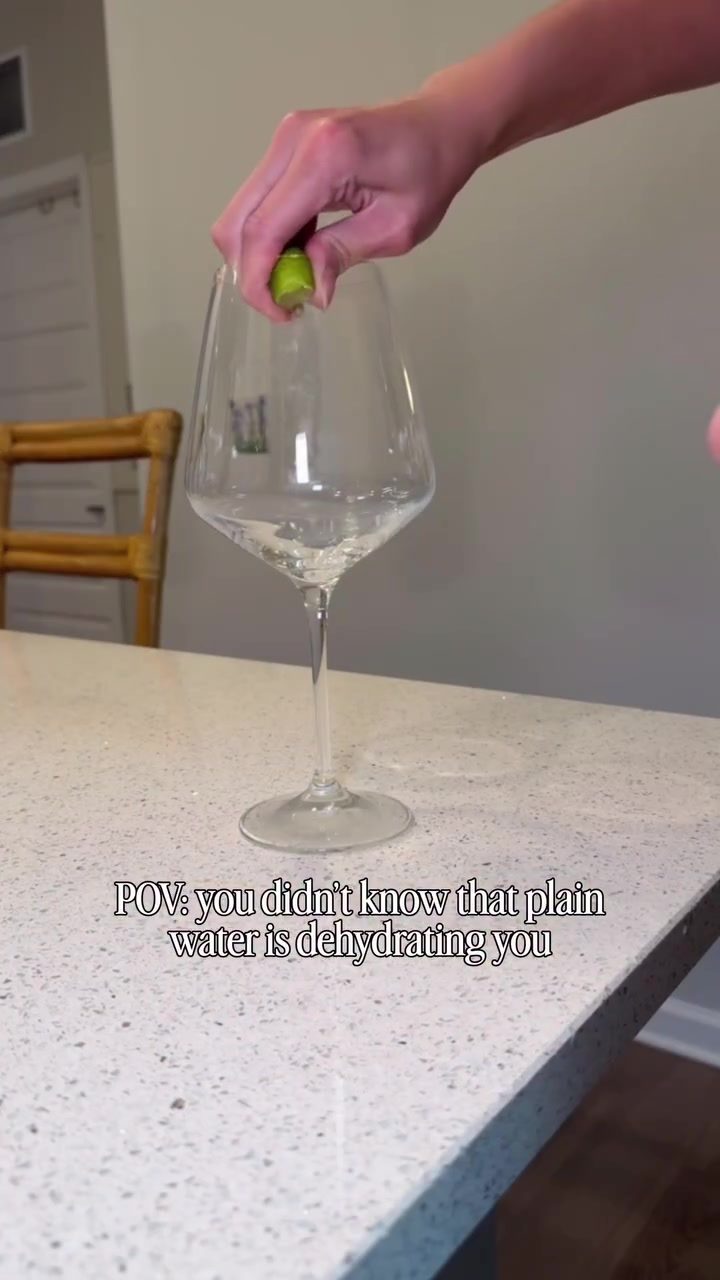
Hydrating Drink Recipe: Why Plain Water Isn't Enough
When it comes to staying hydrated, plain water is often the go-to choice. However, there's more to hydration than just drinking water. Your body also needs electrolytes, such as sodium, potassium, and magnesium, to help regulate fluid balance. If you’re sweating heavily, following a very low-carb diet, engaging in intense exercise, or losing fluids due to illness, plain water alone may not be sufficient to replenish what you’ve lost. Symptoms like muscle twitches can often indicate dehydration caused by an electrolyte imbalance.
Why This Matters
Hydration is crucial for overall health and well-being. Whether you’re an athlete, a dietician or just someone who is health conscious, understanding the importance of electrolytes can help you stay hydrated and perform at your best. Electrolytes play a vital role in maintaining proper hydration levels, nerve and muscle function, heart activity, and pH balance of fluids. When you lose electrolytes through sweating, it’s essential to replenish them to avoid dehydration.
The Hydration Equation
The Role of Electrolytes
Electrolytes are minerals that carry an electric charge when dissolved in a liquid, such as blood. They are essential for various bodily functions, including muscle and nerve function, hydration, and pH balance. The primary electrolytes include:
- Sodium: Helps maintain fluid balance and supports muscle and nerve function.
- Potassium: Crucial for heart function, muscle contractions, and nerve signals.
- Magnesium: Involved in muscle and nerve function, blood sugar control, and blood pressure regulation.
When Plain Water Isn't Enough
While water is vital for hydration, it doesn’t contain electrolytes. In situations where you lose a significant amount of fluids, such as during intense exercise, illness, or in hot weather, plain water may not be enough to replenish your body's needs. This is where electrolytes come into play. They help your body absorb and retain water more effectively, ensuring that you stay hydrated and maintain optimal bodily functions.
A Simple Hydrating Drink Recipe
To address the need for electrolytes, consider making a simple and refreshing hydrating drink at home. Here’s a recipe to get you started:
Ingredients
- A wine glass or any clear glass
- A pinch of salt (preferably Rescue Salt)
- Fresh lime slices
- Strawberries
- Ice cubes
Instructions
- Fill the glass with water.
- Add a pinch of salt to the water. This provides the necessary sodium.
- Slice a lime and add the slices to the glass. Lime not only adds flavor but also contains small amounts of electrolytes.
- Cut a few strawberries and add them to the drink. Strawberries add a touch of sweetness and extra hydration.
- Add ice cubes to keep the drink cold and refreshing.
- Garnish with more lime and strawberries for added flavor and presentation.
This simple recipe not only helps replenish electrolytes but also makes hydration more enjoyable with its refreshing taste.
Practical Tips for Staying Hydrated
Monitor Your Fluid Intake
Keep track of your fluid intake, especially during intense physical activity or in hot weather. Aim to drink enough water and electrolyte-rich beverages to replenish what you lose through sweating.
Incorporate Electrolyte- Rich Foods
Include foods rich in electrolytes in your diet. For example, bananas are high in potassium, while leafy greens and nuts contain magnesium. Adding these to your meals can help maintain your electrolyte balance.
Listen to Your Body
Pay attention to signs of dehydration, such as muscle twitches, fatigue, and headaches. If you experience these symptoms, it may be a sign that your body needs more than just plain water.
Important Takeaways
- Plain water alone may not be enough to stay hydrated, especially during intense exercise or illness.
- Electrolytes, such as sodium, potassium, and magnesium, are essential for maintaining fluid balance and overall health.
- Incorporate electrolyte-rich foods and beverages into your diet to stay hydrated and perform at your best.
Conclusion
Hydration is more than just drinking water. It's about ensuring your body has the necessary electrolytes to function optimally. By understanding the role of electrolytes and incorporating them into your hydration routine, you can stay hydrated and healthy. Whether you're an athlete, a fitness enthusiast, or just someone who values their health, making small adjustments to your hydration habits can make a big difference in how you feel and perform.
Watch the Reel
Questions readers ask
What are electrolytes and why are they important for hydration?
Electrolytes are minerals like sodium, potassium, and magnesium that carry an electric charge when dissolved in a liquid. They are crucial for hydration because they help regulate fluid balance, support muscle and nerve function, and enable the body to absorb water more efficiently.
When should I consider adding electrolytes to my water?
You should consider adding electrolytes to your water during intense exercise, especially if you're sweating heavily, when you're ill and losing fluids through vomiting or diarrhea, or during hot weather. Electrolytes help replenish what your body has lost and maintain proper hydration.
What are the benefits of drinking electrolyte water during exercise?
Drinking electrolyte water during exercise helps maintain proper hydration, supports muscle function to prevent cramps, and aids in nerve signaling. It also helps replace the electrolytes lost through sweat, which can enhance performance and reduce fatigue.
Can I make an electrolyte drink at home?
Yes, you can make an electrolyte drink at home using simple ingredients like water, a pinch of salt for sodium, a squeeze of lemon or lime for flavor and a touch of potassium, and a bit of honey or sugar for a little bit of carbohydrate for absorption. You can also add magnesium-rich ingredients like a pinch of magnesium powder.
What are the signs of electrolyte imbalance?
Signs of electrolyte imbalance include muscle twitches, cramps, excessive thirst, fatigue, headaches, and in severe cases, seizures or irregular heartbeat. If you experience any of these symptoms, it's important to replenish your electrolytes and hydrate properly.
How do electrolytes help with hydration during illness?
During illness, especially when you're experiencing vomiting or diarrhea, you lose both water and electrolytes. Replenishing electrolytes helps your body absorb and retain water more effectively, preventing dehydration and aiding in recovery.
Can I overdo it with electrolyte drinks?
While electrolyte drinks are beneficial, it is possible to overdo it. Consuming too many electrolytes, particularly sodium, can lead to hypernatremia, which can cause symptoms like nausea, vomiting, and in severe cases, seizures. It's important to find a balance and consume electrolytes as needed based on your activity level and fluid loss. Always follow the recommended guidelines on the product packaging or consult with a healthcare professional.
Related deep dives
Similar reads based on topic and creator.


Recent articles
Fresh deep dives from the latest Reels we unpacked.




Comments
Be the first to comment.