Elephant Behavior in the Wild
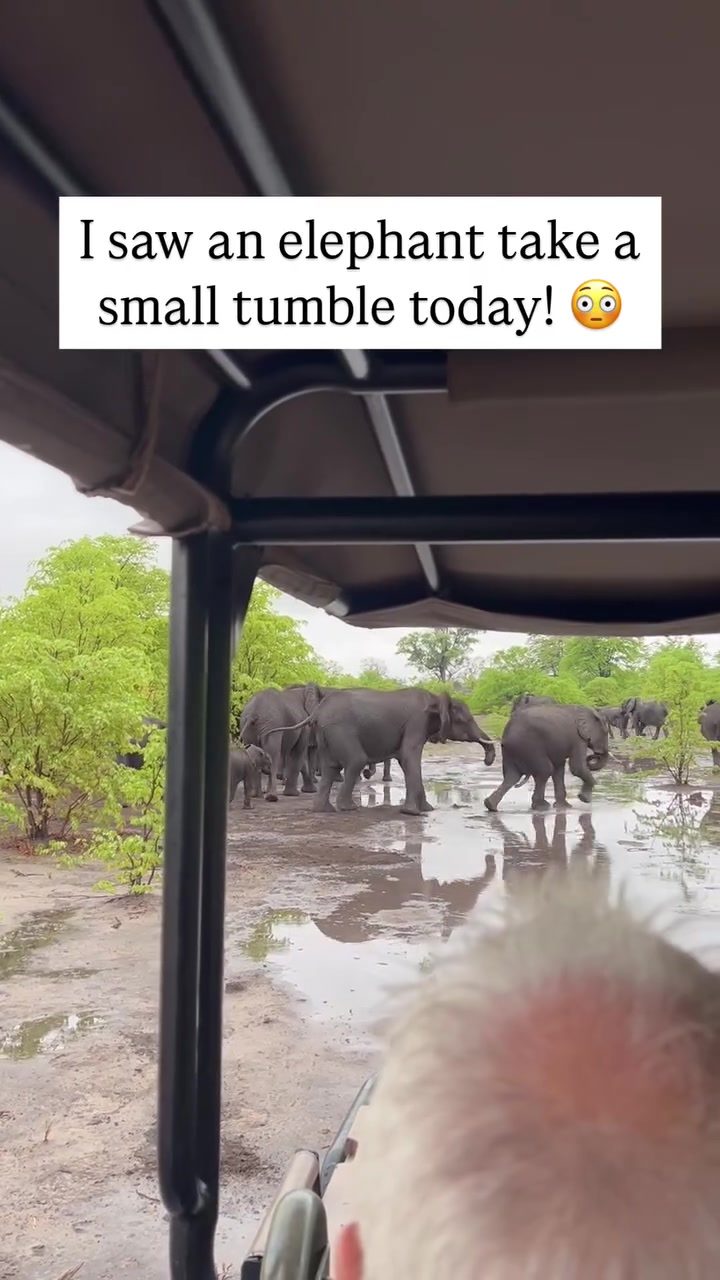
The sight of elephants is always a thrilling experience, especially when observing their intricate social dynamics. The other elephants went to protect the fallen one instantly. This behavior underscores the deep bonds and protective instincts within elephant herds. Let's dive into the fascinating world of elephant behavior, particularly their response to injury or distress among herd members.
Context / Why this matters
Elephants are known for their complex social structures and strong familial bonds. Understanding their behavior, especially in response to injury or distress, provides valuable insights into their social dynamics and emotional intelligence. This knowledge is crucial for conservation efforts and for maintaining the well-being of these majestic creatures in both wild and captive environments.
Main discussion
The Elephant Herd's Protective Instincts
Elephants are highly social animals, and their herds are often led by a matriarch, typically the oldest and most experienced female. When one member of the herd is injured or distressed, the response from the group is swift and caring.
In the moment captured, the other elephants immediately rushed to the aid of the fallen elephant. This instant reaction highlights the strong protective instincts within the herd. Elephants are known to support and comfort each other, often using physical contact and vocalizations to express empathy and concern.
Elephant Communication
Elephants communicate through a variety of means, including vocalizations, body language, and even touch. When a member of the herd is in distress, the others will often gather around, touching the injured elephant with their trunks and emitting soft, comforting vocalizations. This behavior is not just about protection; it's also about providing emotional support.
The mother and the baby elephants, along with other herd members, communicated their concern and support through physical contact and vocal signals. Elephants have a rich repertoire of vocalizations, including rumbles, roars, and trumpets, each conveying different emotions and intentions. In this instance, the vocalizations likely served to reassure the injured elephant and strengthen the bonds within the herd.
The Role of the Matriarch
The matriarch plays a crucial role in the herd's social structure. She is responsible for making decisions, guiding the herd, and ensuring the safety of all members. In times of distress, the matriarch's presence is particularly important. Her experience and wisdom help to calm the herd and provide a sense of stability.
In this scenario, the matriarch likely took charge, ensuring that the injured elephant received the necessary support and care. Her leadership would have been instrumental in coordinating the herd's response and maintaining a sense of security within the group.
Elephant's Reaction to Falls
Elephants are large and powerful animals, but they are not immune to accidents. Falls and stumbles can occur, especially in muddy or uneven terrain. When an elephant falls, the immediate concern is whether the animal has been injured. In this case, the elephant quickly got up, indicating that the fall was not severe.
The reaction of the other elephants to the fall underscores their vigilance and protective nature. The momentary panic and concern expressed by the observers also reflects the significance of such events. Elephants are sensitive creatures, and their well-being is a priority for those who observe and care for them.
Practical tips
Observing Elephants in the Wild
Observing elephants in their natural habitat can be a rewarding experience, but it requires patience, respect, and knowledge. Here are some practical tips for responsible elephant observation:
- Maintain a Safe Distance: Always keep a safe and respectful distance from the elephants. This ensures their safety and your own. Use binoculars or a camera with a good zoom lens to observe them from afar.
- Follow Proper Guidelines: Adhere to the guidelines provided by your safari guide or the park authorities. These guidelines are designed to protect both the elephants and the observers.
- Be Quiet and Patient: Elephants are sensitive to noise and disturbance. Stay quiet and be patient to avoid disrupting their natural behavior.
- Respect Their Space: If an elephant approaches you, stay calm and give it space. Move away slowly if necessary, but do not run or make sudden movements.
- Support Conservation Efforts: Contribute to organizations that work towards elephant conservation. Your support can help protect these magnificent creatures and their habitats.
Understanding Elephant Behavior
Learning about elephant behavior can enhance your appreciation for these remarkable animals. Here are some key behaviors to observe:
- Greetings and Bonding: Elephants greet each other with trunk touches, head rubs, and gentle vocalizations. These interactions strengthen their social bonds.
- Play Behavior: Elephants, especially younger ones, engage in playful activities like rolling in the mud, splashing in water, and playing with sticks or branches.
- Feeding Patterns: Elephants spend a significant portion of their day feeding. Observing their foraging habits can provide insights into their dietary needs and preferences.
- Social Hierarchy: Elephants have a well-defined social hierarchy, with the matriarch at the top. Watching how they interact can reveal the dynamics within the herd.
Important takeaways
Elephants are remarkable creatures with complex social structures and deep emotional bonds. When a member of the herd is injured or distressed, the response from the group is swift and caring, highlighting their protective instincts and emotional intelligence.
Observing elephants in their natural habitat is a privilege that comes with responsibility. Respecting their space, adhering to guidelines, and supporting conservation efforts are essential for their well-being.
Understanding elephant behavior, including their communication, social dynamics, and protective instincts, can enrich your experience and deepen your appreciation for these magnificent animals.
Conclusion
The sight of a herd of elephants protecting one of their own after a fall is a powerful reminder of the strong bonds and protective instincts within these remarkable creatures. Their behavior showcases not only their physical strength but also their emotional intelligence and social cohesion. Whether you're a wildlife enthusiast, a conservationist, or simply someone who appreciates the wonders of nature, observing elephants offers a unique and enriching experience. By understanding and respecting their behavior, we can contribute to their conservation and ensure that future generations can marvel at these majestic animals in their natural habitats.
Watch the Reel
Questions readers ask
What triggers the protective instincts in elephants when a herd member is in distress?
Elephants have a strong sense of empathy and emotional intelligence. When a member of their herd is injured or distressed, the others respond immediately to provide comfort and support. This reaction is driven by the deep social bonds and communication within the herd.
How do elephants communicate during a rescue or protective situation?
Elephants use a combination of vocalizations, gestures, and touch to communicate. During a rescue or protective situation, they may trumpet, make rumbling sounds, or use physical contact to coordinate their efforts and provide comfort to the distressed member.
What role do elephants play in supporting each other during injuries or distress?
Elephants are instrumental in aiding and comforting each other. They will surround and gently touch or caress the injured or distressed member, often forming a protective circle. This support helps to calm the affected elephant and can even facilitate healing.
Why is observing elephant protective behaviors important for conservation efforts?
Witnessing elephant protective instincts offers a glimpse into their emotional and social complexity. This knowledge is essential for developing effective strategies to ensure their well-being and protection. It also highlights the importance of preserving their natural habitats and social structures.
Have there been any notable elephant rescue videos or stories that highlight their protective instincts?
Yes, there have been many documented instances where elephants have displayed remarkable protective behaviors. Videos and stories of elephants helping each other, such as rescuing a calf from a muddy pit or comforting a dying herd member, have gained significant attention and admiration from viewers worldwide.
How do elephant herds maintain social cohesion during stressful situations?
Elephant herds maintain social cohesion through strong familial bonds and consistent communication. During stressful situations, they rally together, using their emotional intelligence to provide support and protection. This unity helps to reinforce their social structure and ensures the well-being of all members.
Related deep dives
Similar reads based on topic and creator.




Recent articles
Fresh deep dives from the latest Reels we unpacked.




Comments
Be the first to comment.