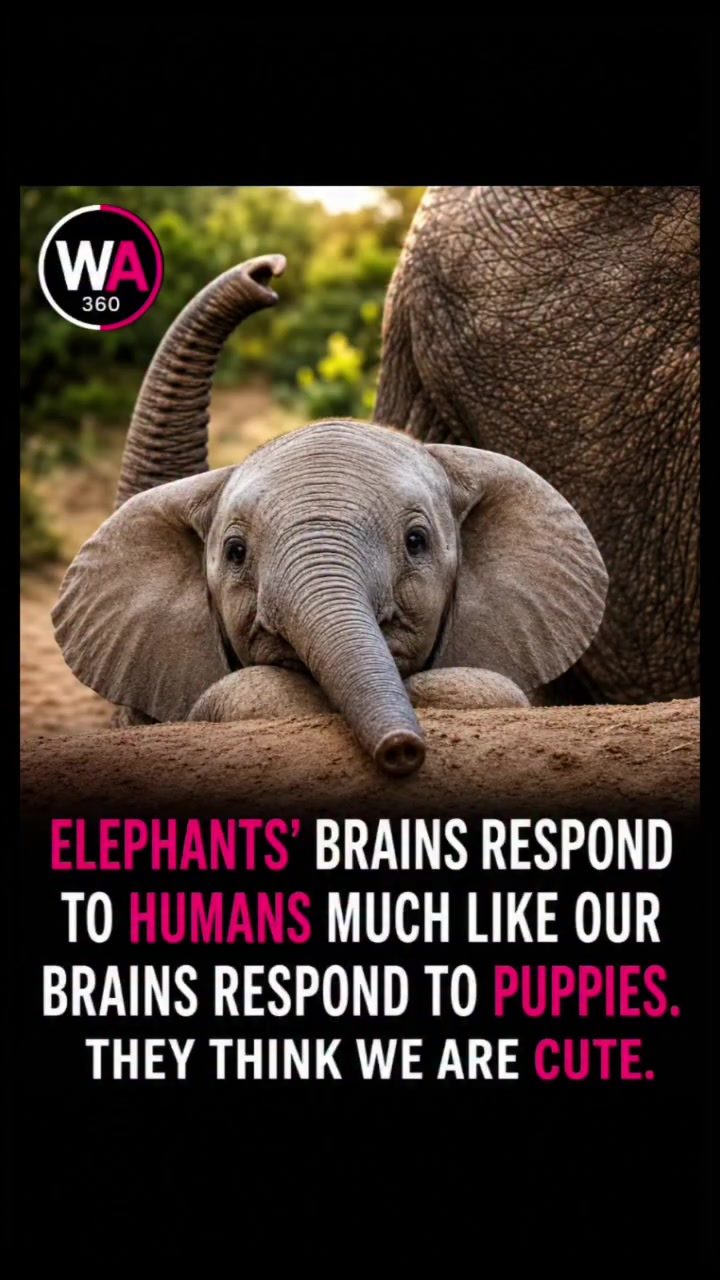
Elephant Brains and Humans
Elephants, the largest land animals on Earth, are known for their intelligence and complex social structures. Recent research has begun to uncover fascinating insights into how elephants perceive humans, suggesting that these gentle giants may view us with a sense of affection and empathy.
Why This Matters
Understanding how elephants perceive humans is crucial for several reasons. It helps us appreciate the emotional depth of these creatures, fosters a greater sense of respect and compassion for wildlife, and underscores the importance of conserving their habitats. By delving into the science behind elephant-human interactions, we can gain a deeper appreciation for the natural world and our place within it.
The Science Behind Elephant-Human Interactions
How Elephants' Brains Respond to Humans
Emerging research indicates that elephants' brains respond to humans in a manner similar to how human brains react to cute animals, such as puppies. This suggests that elephants may perceive humans with a mix of curiosity, affection, and emotional warmth. While the exact mechanisms of this response are still being studied, the findings are groundbreaking.
Emotional Intelligence and Social Bonds
Elephants are not only intelligent but also emotionally intelligent. They form strong social bonds, comfort one another, and mourn their loved ones. These behaviors highlight their deep emotional capacity and their ability to form meaningful connections. Understanding these emotional responses can help us appreciate the complexity of elephant society and their interactions with other species, including humans.
The Role of Memory and Empathy
Elephants possess exceptional memory, which plays a crucial role in their social structure and survival. Their ability to remember past events, recognize individual humans, and empathize with others adds another layer to their emotional intelligence. These traits make elephants unique and underscore the need for their protection.
Practical Tips for Interacting with Elephants
While elephants may view humans with affection, it's essential to remember that they are wild animals. Here are some practical tips for interacting with elephants in a respectful and safe manner:
Keep a Safe Distance
Always maintain a safe distance from elephants in the wild. This not only ensures your safety but also respects the elephants' space and natural behavior. Use binoculars or a telephoto lens for a closer look without disturbing them.
Follow Guides and Rangers
When on guided tours or in wildlife reserves, follow the instructions of experienced guides and rangers. They are trained to ensure both your safety and the well-being of the animals.
Avoid Feeding or Touching
Never attempt to feed or touch wild elephants. Feeding can disrupt their natural diet and behavior, while touching can cause stress and potentially lead to aggressive reactions. Observe from a distance and appreciate their natural state.
Important Takeaways
- Elephants View Humans with Affection: Research shows that elephants' brains react to humans similarly to how human brains respond to cute animals, suggesting a sense of affection and emotional warmth.
- Emotional Intelligence: Elephants exhibit deep emotional intelligence, strong social bonds, and exceptional memory, making them one of the most remarkable species on Earth.
- Conservation Efforts: Understanding and appreciating these magnificent creatures can inspire greater respect, compassion, and commitment to protecting their habitats for future generations.
Conclusion
The insights into how elephants perceive humans reveal a world of emotional depth and complexity. By appreciating the remarkable intelligence and emotional capacity of these gentle giants, we can foster a greater sense of respect and compassion for all wildlife. This understanding not only enriches our knowledge of the natural world but also underscores the importance of conservation efforts. Elephants remind us that the biggest hearts often belong to the largest creatures, and their perception of us as adorable adds a new layer to our relationship with the natural world.
Watch the Reel
Questions readers ask
How do elephants' brains respond to the sight of humans?
Elephants' brains exhibit activity similar to how human brains react to cute animals, indicating a unique emotional response when interacting with humans. This suggests that elephants may perceive humans with a sense of affection and curiosity.
What are some signs of affection and empathy that elephants display towards humans?
Elephants may show affection and empathy by gently touching, caressing, or even hugging humans, as well as responding to human emotions with comforting behaviors. They have also been observed to protect and care for humans.
How does understanding elephants' perception of humans aid in conservation efforts?
By recognizing that elephants may have a positive emotional response to humans, we can foster greater respect and compassion for these animals, encouraging more supportive conservation efforts and policies.
What can we learn from the comparison between how elephants and humans perceive 'cute' animals?
This comparison sheds light on the emotional intelligence of elephants, suggesting that they, like humans, can form bonds and experience positive emotions when interacting with certain stimuli, such as humans.
Why is it important to study the emotional responses of elephants towards humans?
Studying elephants' emotional responses helps us understand the complexity of their social structures, fosters a deeper connection between humans and elephants, and highlights the need for protecting their habitats and promoting conservation efforts.
What are the implications of research showing that elephants find humans adorable?
This research underscores the importance of human-elephant bonding, highlighting the potential for mutual respect, compassion, and cooperation, which can greatly enhance both conservation initiatives and our understanding of these remarkable creatures.
How do elephants' emotional connections to humans contribute to global conservation efforts?
Elephants' emotional responses to humans can motivate individuals and communities to actively participate in conservation efforts, thus promoting a broader commitment to protecting these intelligent and socially complex animals and their habitats.
Related deep dives
Similar reads based on topic and creator.




Recent articles
Fresh deep dives from the latest Reels we unpacked.




Comments
Be the first to comment.