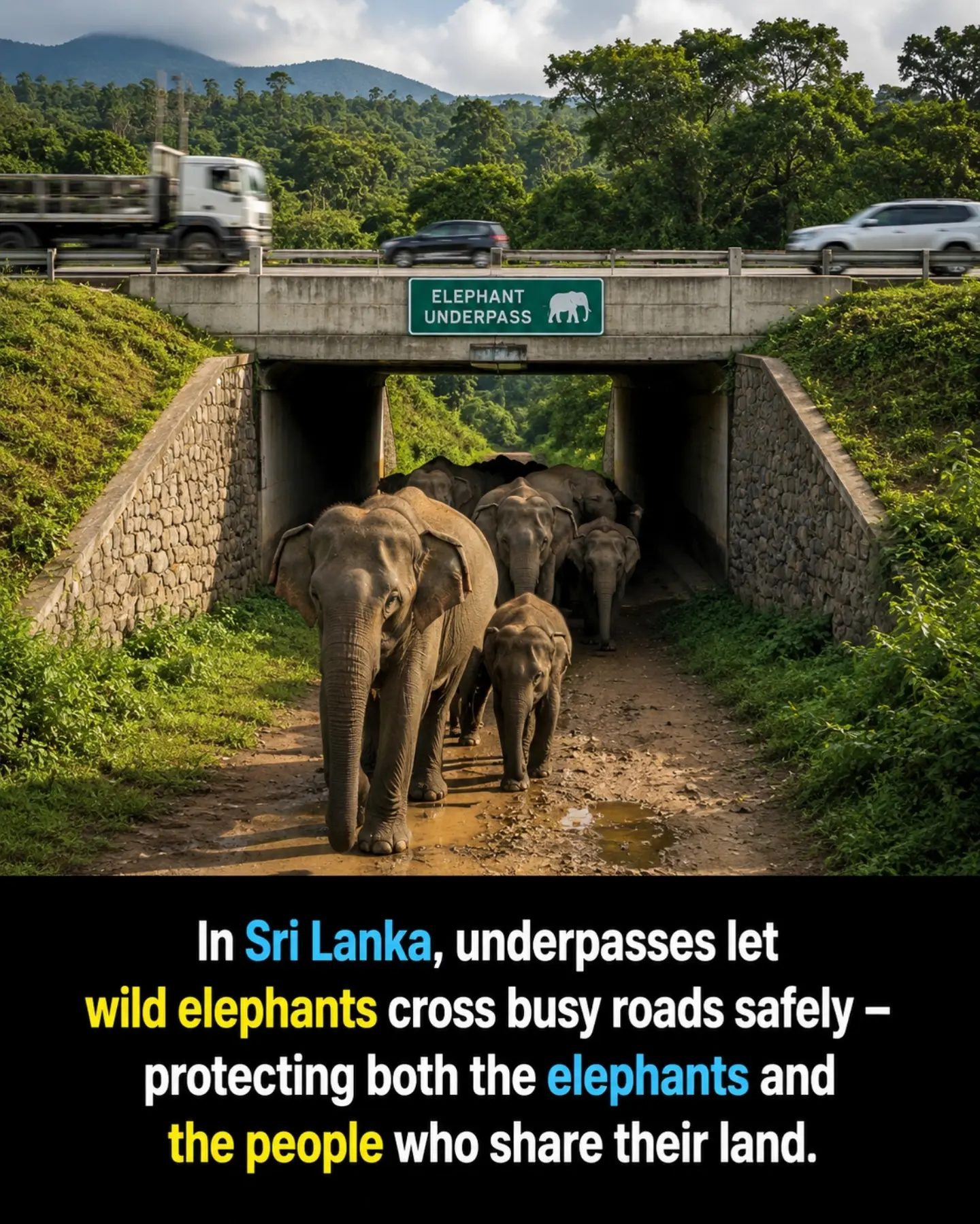
Elephant Underpasses in Sri Lanka: A Wildife Conservation Innovation
Elephant underpasses in Sri Lanka offer a unique and effective solution to the challenges of sharing land between humans and elephants. These innovative structures, known as elephant underpasses, are designed to help wildlife cross busy roads safely. This initiative not only protects elephants but also enhances the safety of people living in these areas.
Why This Matters
Elephants have long been a symbol of Sri Lanka's rich biodiversity. However, the growing human population and expanding infrastructure have led to increased human-wildlife conflicts. Elephants, especially those in search of food and habitat, often cross roads and highways, leading to dangerous encounters. Elephant underpasses are a critical part of wildlife conservation efforts, ensuring that these majestic animals can roam without risking their lives or endangering human safety.
The Role of Elephant Underpasses
Design and Functionality
Elephant underpasses are specifically designed to accommodate the size and behavior of elephants. These structures are typically covered and equipped with features like vegetation, soil, and water to make them more inviting and less intimidating for the animals. The underpasses are strategically placed at locations where elephants are known to frequently cross roads. This helps in guiding elephants safely below the road, avoiding direct encounters with vehicles.
Environmental and Social Benefits
Underpasses significantly reduce the risk of elephant-related accidents on roads. By providing a safe passage, they lower the chances of elephants being injured or killed by vehicles and vice versa. Moreover, these underpasses help maintain the connectivity of elephant habitats, which is crucial for their survival and reproduction.
For the local community, elephant underpasses offer a sense of security. Knowing that elephants have a safe route to cross roads reduces human-animal conflicts and enhances overall safety. Additionally, these underpasses can help in sustainable development by ensuring that infrastructure development does not compromise wildlife conservation.
Effectiveness and Monitoring
The success of elephant underpasses in Sri Lanka can be attributed to careful planning and monitoring. Wildlife biologists and conservationists work together to study elephant movement patterns, identify critical crossing points, and design the underpasses accordingly. Continuous monitoring is conducted to assess the effectiveness of these structures and make necessary improvements.
Practical Tips for Wildlife Conservation
Community Engagement
Engaging local communities in wildlife conservation efforts is crucial. Educating people about the importance of underpasses and involving them in planning and monitoring can foster a sense of ownership and responsibility. Community members can help in monitoring elephant movements and reporting any issues related to the underpasses.
Collaboration with Authorities
Collaboration between wildlife conservation organizations and local authorities is essential for the success of such initiatives. This collaboration ensures that necessary resources and support are provided for the construction and maintenance of underpasses. Policies should be in place to protect wildlife habitats and ensure that development projects do not disrupt elephant corridors.
Research and Innovation
Ongoing research is vital to understand elephant behavior and improve underpass designs. Technological advancements, such as camera traps and GPS tracking, can provide valuable data on elephant movements and the effectiveness of underpasses. Innovations in design, such as using natural materials and landscaping, can make underpasses more appealing to elephants and enhance their conservation impact.
Important Takeaways
Underpasses in Sri Lanka serve as a beacon of hope for wildlife conservation, showcasing how innovative solutions can address human-wildlife conflicts. These structures not only protect elephants but also ensure the safety of local communities. Effective monitoring, community engagement, and continuous research are key to the success of such initiatives.
Innovations like elephant underpasses highlight the importance of balancing human development with wildlife conservation. By providing safe passage for elephants, these underpasses contribute to the preservation of Sri Lanka's rich biodiversity and support sustainable development. Through collaboration, research, and community engagement, these initiatives can serve as a model for wildlife conservation in other parts of the world.
Conclusion
Elephant underpasses in Sri Lanka are a testament to the power of innovation in wildlife conservation. By providing safe passage for elephants, these structures protect both wildlife and human lives. The success of these underpasses underscores the need for continued efforts in wildlife conservation and sustainable development. As we strive to balance human needs with environmental preservation, initiatives like elephant underpasses offer a promising path forward, ensuring that Sri Lanka's majestic elephants can continue to thrive in their natural habitats.
Watch the Reel
Questions readers ask
What are elephant underpasses and why are they important in Sri Lanka?
Elephant underpasses are specially designed, below-ground passageways that allow elephants to cross busy roads safely. In Sri Lanka, these structures are crucial for mitigating human-elephant conflicts, ensuring the safety of both elephants and humans by providing a secure route for elephants to navigate through human-dominated landscapes.
How do elephant underpasses enhance road safety for humans?
By providing a designated and safe route for elephants to cross roads, underpasses help prevent elephants from wandering onto busy highways and roads. This reduces the likelihood of accidents and confrontations between humans and elephants, making roads safer for both drivers and pedestrians.
What are some of the key benefits of elephant underpasses for wildlife conservation in Sri Lanka?
Elephant underpasses promote wildlife safety by reducing the risk of elephant injuries and fatalities from vehicle collisions. They also help maintain the integrity of elephant habitats by allowing these animals to move freely between different areas of their range, which is vital for their survival and overall ecosystem health.
How do elephant underpasses contribute to ecosystem protection in Sri Lanka?
Elephant underpasses facilitate the movement of elephants and other wildlife across fragmented landscapes, ensuring that these animals can access essential resources like food and water. This connectivity is crucial for maintaining genetic diversity and supporting healthy populations of wildlife, which in turn contributes to the overall health of Sri Lanka's ecosystems.
Related deep dives
Similar reads based on topic and creator.




Recent articles
Fresh deep dives from the latest Reels we unpacked.




Comments
Be the first to comment.