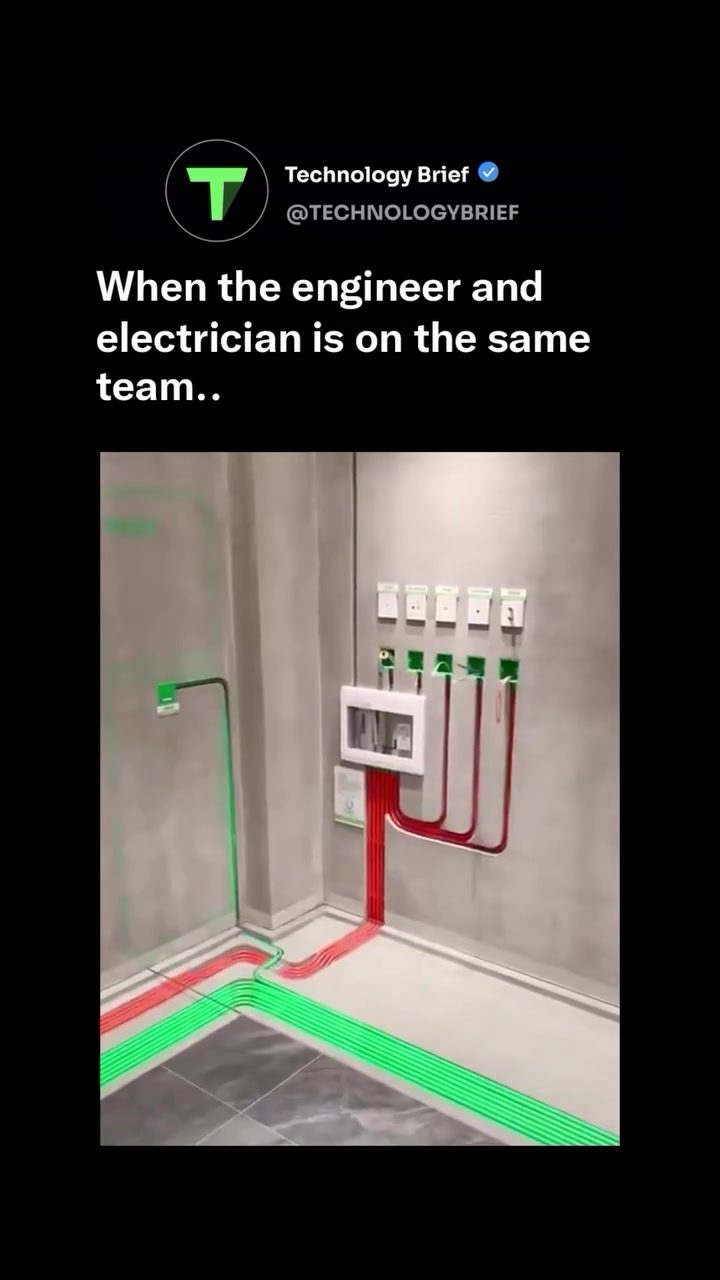
Electrical panel organization is the foundation of effective and efficient electrical systems in any building or infrastructure project.
Why This Matters
In construction and infrastructure projects, the organization of electrical panels is crucial for safety, efficiency, and long-term maintenance. When engineers and electricians collaborate closely, the results can be surprisingly creative and effective. This collaboration is essential for routing electrical conduit, power, data, and lighting in a way that is cleaner, safer, and more efficient. This kind of cross-discipline teamwork is a hallmark of well-coordinated construction projects.
The Importance of Electrical Panel Organization
A well-organized electrical panel is more than just a neatly arranged set of wires; it is a critical component of a safe and efficient electrical system. Proper organization ensures that cables and connections are easily accessible for maintenance and troubleshooting, reducing the risk of electrical fires and other hazards. Moreover, an organized panel makes it easier to identify and rectify issues quickly, minimizing downtime and ensuring continuous operation.
Collaboration Between Engineers and Electricians
The collaboration between engineers and electricians plays a pivotal role in the effective organization of electrical panels. Engineers design the structural framework, while electricians handle the wiring and installation. When these two disciplines work together from the outset, they can integrate their plans seamlessly. This integration allows for routing power, data, and lighting through existing structural elements like steel beams and architectural features, minimizing disruption and saving time and materials.
Structural Solutions and Integration
One of the key advantages of this collaborative approach is the ability to find creative structural solutions. By routing electrical conduit through existing structural elements, teams can avoid the need to cut through walls, floors, or other structural components. This not only preserves the integrity of the building but also enhances the efficiency and cleanliness of the electrical system.
For example, electricians and engineers can collaborate to create a plan that incorporates structural channels and beams in the design. This means that the electrical conduit can be routed through these existing features, making the installation process more straightforward and less disruptive. This approach also minimizes the need for additional materials, reducing waste and lowering costs.
Practical Tips for Effective Electrical Panel Organization
Color-Coding and Labeling
One of the most effective ways to organize an electrical panel is through color-coding and labeling. Color-coding wires and connections makes it easier to identify and trace circuits, reducing the time required for maintenance and troubleshooting. Each wire should be labeled with its corresponding circuit or device, ensuring that any issues can be quickly identified and resolved.
Modular Design
A modular design approach can also enhance the organization of electrical panels. By using standardized components and modular enclosures, panels can be easily customized and expanded as needed. This flexibility ensures that the panel can adapt to changing requirements without the need for extensive rewiring or redesign.
Regular Maintenance and Inspections
Regular maintenance and inspections of electrical panels are essential for ensuring their continued efficiency and safety. Panels should be inspected at regular intervals to check for signs of wear, damage, or overloading. Any issues identified during these inspections should be promptly addressed to prevent more significant problems from developing.
Important Takeaways
Electrical panel organization is a critical aspect of any construction or infrastructure project. By fostering collaboration between engineers and electricians, leveraging structural solutions, and implementing best practices for organization and maintenance, it is possible to create electrical systems that are safe, efficient, and easy to maintain. This approach not only enhances the functionality of the electrical system but also contributes to the overall integrity and longevity of the building.
Conclusion
The organization of electrical panels is a fundamental component of effective and efficient electrical systems. By embracing a collaborative approach between engineers and electricians, and implementing best practices for organization and maintenance, it is possible to create electrical systems that are safe, reliable, and easy to manage. This collaborative effort ensures that electrical panels are not only functional but also contribute to the overall integrity and longevity of the building.
Watch the Reel
Questions readers ask
Why is electrical panel organization crucial in building projects?
Electrical panel organization is vital for ensuring safety, efficiency, and easy maintenance. A well-organized panel helps prevent electrical hazards, simplifies troubleshooting, and extends the lifespan of the electrical system. It also supports the seamless integration of structural design and electrical wiring, which is essential for maintaining operational continuity.
How do engineers and electricians collaborate in electrical panel organization?
Engineers and electricians work together to design and implement electrical systems that are both structurally sound and functionally efficient. Engineers focus on the overall design and structural integration, while electricians handle the practical implementation, routing of conduits, and wiring. This teamwork ensures that the electrical panel is organized in a way that is clean, safe, and efficient.
What are the benefits of a well-organized electrical panel?
A well-organized electrical panel offers numerous benefits, including enhanced safety by reducing the risk of electrical fires and shocks, improved efficiency through easier maintenance and troubleshooting, and better long-term performance. It also supports the integration of power, data, and lighting systems, leading to a more functional and reliable electrical setup.
What role does teamwork play in electrical panel organization?
Teamwork is essential for effective electrical panel organization. When engineers and electricians collaborate, they combine their expertise to create innovative and practical solutions. This cross-discipline teamwork ensures that the electrical panel is organized in a way that aligns with the building's structural design and meets operational needs, leading to better overall outcomes.
What technologies are used to enhance electrical panel organization?
Modern panel organization technology includes advanced software for design and simulation, labeling systems for clear identification of circuits, and modular components that allow for easy adjustments. Some systems also integrate smart technology for real-time monitoring and control, enhancing the overall efficiency and safety of the electrical system.
How does electrical panel organization impact building maintenance?
A well-organized electrical panel simplifies maintenance tasks by making it easier to identify and access specific circuits. This organization reduces the time and effort required for routine checks and repairs, minimizes the risk of errors, and helps prevent potential hazards, leading to a safer and more reliable building infrastructure.
What are the key considerations for designing efficient electrical wiring in a building?
When designing efficient electrical wiring, key considerations include the placement and routing of conduits to minimize obstructions and potential hazards, proper labeling and organization of circuits, and ensuring that the design aligns with the building's structural elements. Collaborative planning between engineers and electricians is crucial for addressing these factors, resulting in a more functional and efficient electrical system.
Recent articles
Fresh deep dives from the latest Reels we unpacked.




Comments
Be the first to comment.