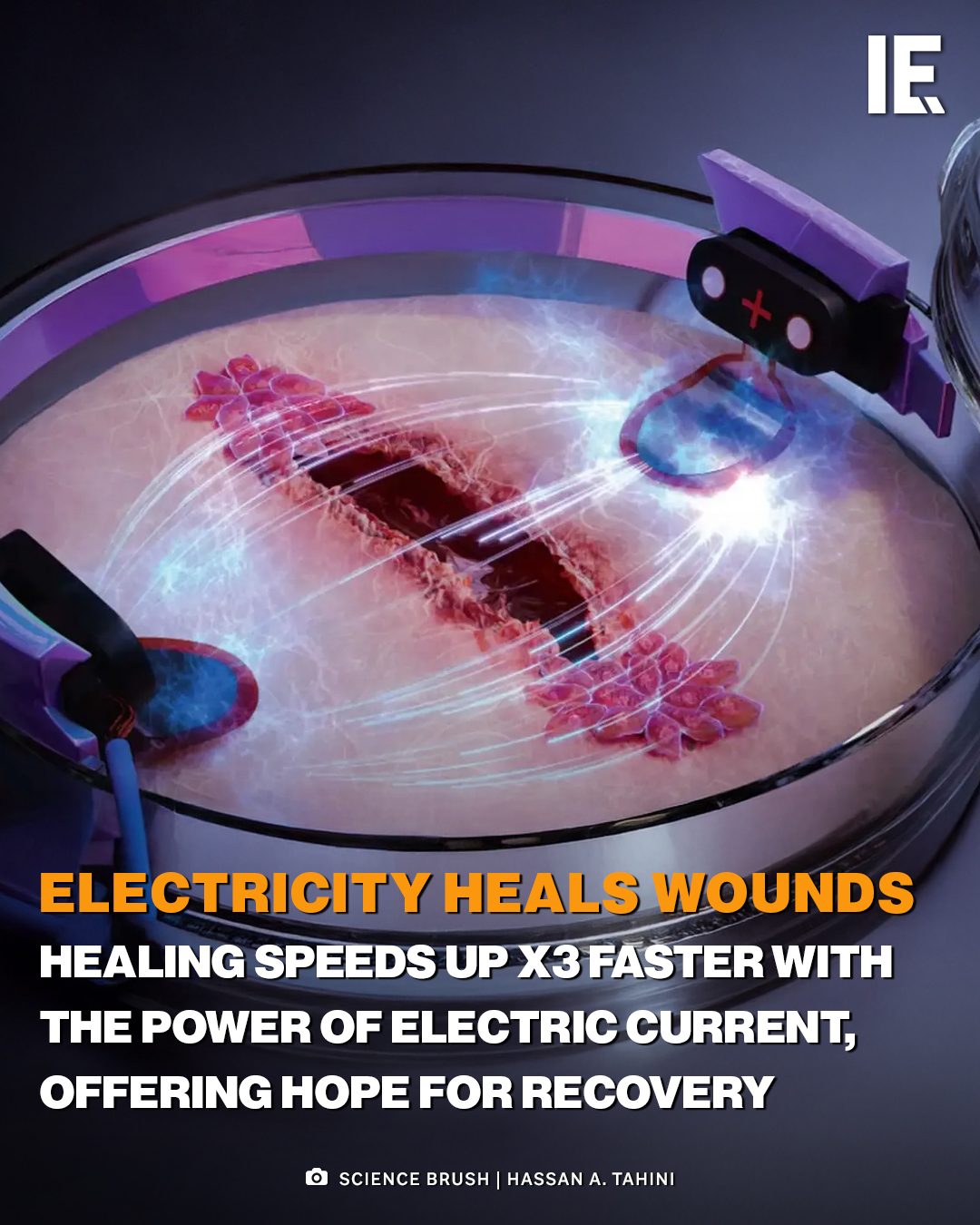
Electric Healing: The Power of Electric Current in Wound Recovery
Electric current has long been a subject of interest in medical research, but recent breakthroughs have brought new light to its potential in accelerating wound healing. A groundbreaking study from the Chalmers Institute of Technology and the University of Freiburg reveals that electric current can significantly speed up the healing process of chronic wounds, offering new hope for patients with various health conditions.
Context: The Need for Advanced Wound Healing
Chronic wounds, such as those associated with diabetes, cancer, and poor circulation, pose significant challenges for patients and healthcare providers alike. Traditional treatments often fall short in providing timely and effective healing, leading to prolonged suffering and increased risk of complications. The search for innovative solutions has driven researchers to explore unconventional methods, including the use of electric current to stimulate healing processes.
The Science Behind Electric Healing
Electrical currents have been recognized for their therapeutic benefits in various medical applications. The concept of using electricity for healing is not new; it has been explored in different forms, such as electrotherapy and neuromuscular electrical stimulation. However, the recent study from the Chalmers Institute of Technology and the University of Freiburg has provided concrete evidence that electric current can accelerate chronic wound healing by up to three times the normal rate.
How Electric Current Affects Wound Healing
The mechanism behind this accelerated healing involves the stimulation of cellular processes that promote tissue regeneration. Electric currents influence the behavior of cells at the molecular level, enhancing their ability to repair damaged tissues. This process involves several key factors:
- Enhanced Cell Proliferation: Electrical stimulation can increase the rate at which cells divide and multiply, speeding up the formation of new tissue.
- Improved Blood Flow: The application of electric current can enhance blood circulation in the affected area, delivering more oxygen and nutrients to the wound site.
- Reduced Inflammation: Electric currents can help to reduce inflammation by modulating the immune response, creating a more favorable environment for healing.
The Role of the Medical Device
The SCIENCE BRUSH device showcased in the visuals exemplifies how modern technology can harness the power of electricity for therapeutic purposes. This device, with its futuristic design and purple and blue accents, is engineered to apply precise electrical currents to wounds. By delivering controlled electrical impulses, the device can stimulate the healing processes described above, offering hope for recovery.
Practical Applications and Beneficiaries
The implications of this breakthrough extend to various patient groups, particularly those with chronic conditions that complicate wound healing. Some of the key beneficiaries include:
- Diabetic Patients: Diabetes often leads to poor circulation and nerve damage, making wound healing particularly challenging. Electric current therapy offers a promising alternative to traditional treatments.
- Cancer Patients: Chemotherapy and radiation treatments can cause significant tissue damage, leading to slow-healing wounds. The accelerated healing provided by electric current can improve the quality of life for cancer patients.
- Patients with Poor Circulation: Conditions such as peripheral artery disease can severely impair blood flow to extremities, leading to chronic wounds. Electric current therapy can enhance blood circulation, promoting faster healing.
Future Prospects
The potential of electric current in wound healing opens up new avenues for medical research and development. As technology advances, we can expect to see more sophisticated devices and techniques that leverage the power of electricity for therapeutic purposes. Ongoing studies and clinical trials will further refine our understanding of how to optimize this treatment, making it more accessible and effective for a broader range of patients.
Important Takeaways
The breakthrough study from the Chalmers Institute of Technology and the University of Freiburg highlights several important takeaways:
- Electric current can significantly accelerate the healing of chronic wounds, offering new hope for patients with conditions that complicate the healing process.
- The therapeutic benefits of electric current involve enhanced cell proliferation, improved blood flow, and reduced inflammation.
- Modern medical devices, such as the SCIENCE BRUSH, can harness the power of electricity to deliver precise and effective treatments.
- The applications of electric current therapy extend to various patient groups, including those with diabetes, cancer, and poor circulation.
Conclusion
The use of electric current for wound healing represents a significant leap in medical technology. With the potential to accelerate healing by up to three times the normal rate, this innovative approach offers new hope for patients who struggle with chronic wounds. As research and technology continue to evolve, we can look forward to even more advanced treatments that harness the power of electricity for therapeutic purposes, improving outcomes and quality of life for countless individuals.
Watch the Reel
Questions readers ask
How does electric current help in accelerating wound healing?
Electric current aids in wound healing by stimulating cellular activity and enhancing blood flow to the affected area. This process encourages the growth of new tissues and helps in fighting infections, making it a useful tool for speeding up recovery.
What types of wounds can benefit from electric current therapy?
Electric current therapy is particularly beneficial for chronic wounds, including those associated with diabetes, poor circulation, and even cancer. These types of wounds often prove difficult to heal using traditional methods, making electric current therapy a promising alternative.
What are the mechanisms behind electric current therapy for wound healing?
The therapy works by promoting cellular growth and tissue regeneration. Electric current can stimulate the body's natural healing processes, increasing the production of growth factors and improving tissue oxygenation, which aids in faster wound closure.
How can electrical stimulation devices assist in wound recovery?
Electrical stimulation devices deliver controlled electric currents to the wound site, enhancing cellular activity and promoting faster healing. These devices are particularly useful for patients with chronic wounds, offering a non-invasive and effective method for accelerating recovery.
What are some of the advantages of using electric current in wound care?
Electric current therapy offers several advantages, including reduced healing time, improved tissue regeneration, and enhanced infection control. It's a versatile treatment option that can be used in conjunction with other therapies to optimize patient outcomes.
What should patients expect when undergoing electric current therapy for wound healing?
Patients undergoing electric current therapy can expect a non-invasive procedure with minimal discomfort. The therapy involves the application of electrical stimulation to the wound area, which may produce a tingling sensation. Results can vary, but many patients experience accelerated healing and improved tissue quality.
Related deep dives
Similar reads based on topic and creator.



Recent articles
Fresh deep dives from the latest Reels we unpacked.




Comments
Be the first to comment.