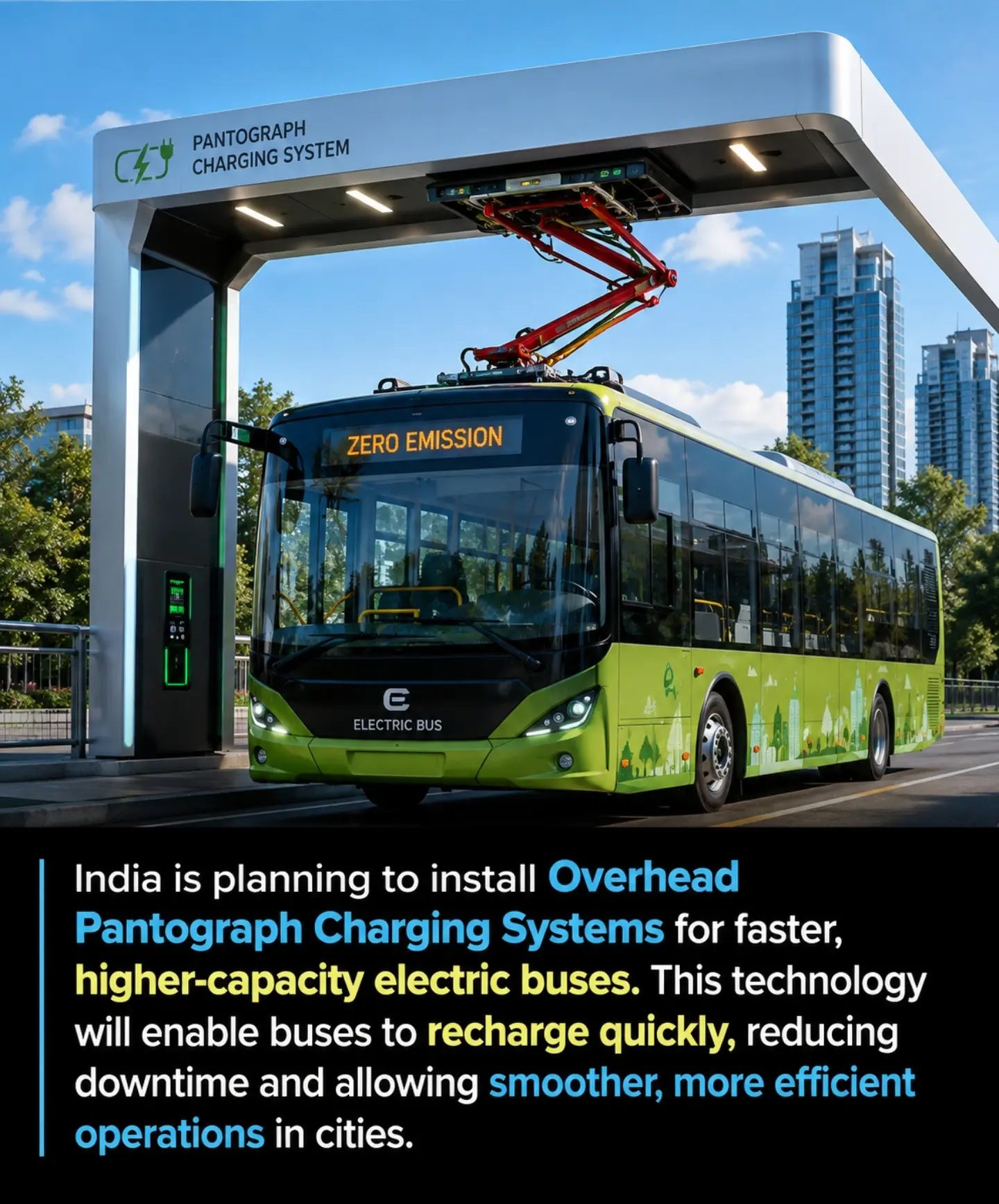
Electric Bus Charging with Pantograph Systems
Electric buses are becoming an increasingly popular choice for urban transportation. Not only do they help reduce greenhouse gas emissions, but they can also lower operating costs over time. One of the critical factors in making electric buses practical for daily use is the efficiency and speed of their charging systems. Pantograph charging systems are emerging as a key technology in this area, promising faster charging times and smoother operations.
Why This Matters
Pantograph charging systems are essential for the transition to electric buses in urban environments. The technology allows buses to be charged quickly and efficiently. This matters for several reasons:
- Zero Emission: Electric buses contribute to cleaner air and reduced carbon footprint, aiding cities in meeting their sustainability goals.
- Operational Efficiency: Faster charging times mean less downtime, which translates to more buses on the road and improved service for passengers.
- Cost Savings: Electric buses are generally more cost-effective to operate once the initial investment is made, thanks to lower fuel and maintenance costs.
Main Discussion
What is a Pantograph Charging System?
A pantograph charging system is a mechanism that allows electric buses to charge while they are stationary or even on the move. The pantograph is a retractable arm that connects to an overhead power line, providing a direct and efficient way to transfer energy from the grid to the bus's battery. This method stands out from traditional charging systems, which often require buses to be plugged in and stationary for extended periods.
How Does It Work?
The pantograph charging system operates by raising an arm from the bus's roof to connect with an overhead power line. This connection allows for rapid energy transfer, typically taking only a few minutes to top up the bus's battery. The system can be designed to charge buses either at designated stops or even while the bus is moving, ensuring minimal disruption to service.
Benefits of Pantograph Charging
Speed and Efficiency: One of the most significant benefits of pantograph charging is its speed. Traditional charging methods can take hours, causing significant downtime for buses. Pantograph systems can recharge a bus in just a few minutes, allowing it to return to service quickly.
Reduced Infrastructure Needs: Unlike traditional charging depots, which require extensive infrastructure and space, pantograph charging can be integrated into existing bus stops. This makes it a more flexible and cost-effective solution for urban environments.
Operational Flexibility: With pantograph charging, buses can be recharged at various points along their route, not just at depots. This flexibility means buses can operate for longer periods without needing to return to a central charging station, improving overall efficiency and route coverage.
Zero Emission Operations: Pantograph charging systems enable buses to run entirely on electricity, contributing to zero-emission urban transport. This is particularly important for cities aiming to reduce air pollution and meet climate goals.
Pantograph Charging in Urban Environments
Urban environments present unique challenges for electric bus operations, including space constraints and the need for frequent service. Pantograph charging systems are particularly well-suited to these conditions. By enabling quick recharges at bus stops, the technology allows buses to maintain their routes without significant interruptions.
Modern urban environments often feature a dense network of bus stops and routes. Pantograph charging can be integrated into these existing infrastructure points, making it a practical solution for cities looking to transition to electric buses. The flexibility and efficiency of the system mean that buses can continue to operate smoothly, providing reliable service to passengers while reducing environmental impact.
Practical Tips
If you're involved in planning or implementing electric bus services, consider the following tips:
-
Assess Your Infrastructure: Evaluate existing bus stops and routes to identify the best locations for pantograph charging infrastructure. Consider the frequency of stops and the distance between them to maximize efficiency.
-
Plan for Growth: As the demand for electric buses grows, ensure that your charging infrastructure can scale accordingly. This may involve investing in additional pantograph systems or upgrading existing ones.
-
Engage with Stakeholders: Work closely with local authorities, bus operators, and other stakeholders to ensure that the transition to electric buses is smooth and effective. This may involve public consultations, pilot projects, and ongoing evaluations.
-
Maintain High Standards of Safety and Reliability: Ensure that the pantograph systems are installed and maintained to the highest standards of safety and reliability. Regular inspections and maintenance checks are essential to keep the systems running smoothly.
Important Takeaways
- Pantograph charging systems offer a fast and efficient way to recharge electric buses, reducing downtime and improving operational efficiency.
- This technology is ideal for urban environments, where space is often limited, and frequent service is essential.
- Integrating pantograph charging into existing infrastructure can make the transition to electric buses more practical and cost-effective.
- Safety and reliability are crucial for the successful implementation of pantograph charging systems.
Conclusion
Pantograph charging systems represent a significant advancement in electric bus technology. Their ability to recharge buses quickly and efficiently makes them an ideal solution for urban environments. As cities around the world look to reduce their carbon footprint and improve air quality, pantograph charging systems will play a key role in the transition to zero-emission public transport. Their flexibility, efficiency, and practicality make them a valuable investment for any city aiming to modernize its public transport network.
Watch the Reel
Questions readers ask
What exactly is a pantograph charging system and how does it work with electric buses?
A pantograph charging system is a technology used to quickly and efficiently charge electric buses. It consists of a retractable arm that connects to an overhead power source, allowing the bus to charge while stationary or even in motion at certain speeds. This method significantly reduces charging times compared to traditional plug-in systems. It is particularly beneficial for urban transit as it minimizes downtime and maintains service reliability.
How does pantograph charging technology improve urban transit efficiency?
Pantograph charging technology enhances urban transit efficiency by enabling fast, on-route charging. This allows electric buses to spend more time in service and less time at charging stations, reducing operational delays and increasing overall fleet productivity. Additionally, the overhead charging infrastructure can be integrated into existing bus routes, making it a practical and scalable solution for city transit systems.
What are the environmental benefits of using electric buses with pantograph charging?
Electric buses with pantograph charging contribute to a reduction in greenhouse gas emissions and better air quality. By transitioning from diesel to electric, cities can significantly decrease their carbon footprint. Additionally, the quick charging capabilities of pantograph systems mean fewer idling vehicles, further lowering emissions and noise pollution in urban areas.
Can pantograph charging systems be integrated into existing bus routes?
Yes, pantograph charging systems can be seamlessly integrated into existing bus routes. The infrastructure required, such as overhead charging stations, can be installed along bus routes or at terminal stations. This integration allows buses to charge at strategic points without disrupting their routes or schedules, making the transition to electric buses smoother.
What are the cost benefits of using electric buses with pantograph charging?
Electric buses with pantograph charging offer significant cost benefits over traditional diesel buses. Lower fuel and maintenance costs are some of the key advantages. Electric buses have fewer moving parts and do not require oil changes or emissions-related maintenance. Additionally, the fast charging capabilities of pantograph systems reduce the need for large battery packs, further lowering capital costs.
How does pantograph charging technology compare to other electric bus charging methods?
Pantograph charging stands out due to its speed and convenience. Unlike plug-in charging, which can take hours and requires dedicated charging stations, pantograph systems can charge buses in minutes. This is crucial for maintaining efficient service schedules. Additionally, pantograph charging can be done opportunistically, such as at bus stops, allowing buses to charge while passengers board or alight.
What role do pantograph charging systems play in sustainable city transit?
Pantograph charging systems are instrumental in promoting sustainable city transit. They enable efficient, fast charging of electric buses, which is key for reducing emissions and operational costs. By supporting a higher number of electric buses in service, pantograph technology helps cities meet their sustainability goals, contributing to cleaner air and more efficient urban transportation.
Related deep dives
Similar reads based on topic and creator.

Recent articles
Fresh deep dives from the latest Reels we unpacked.




Comments
Be the first to comment.