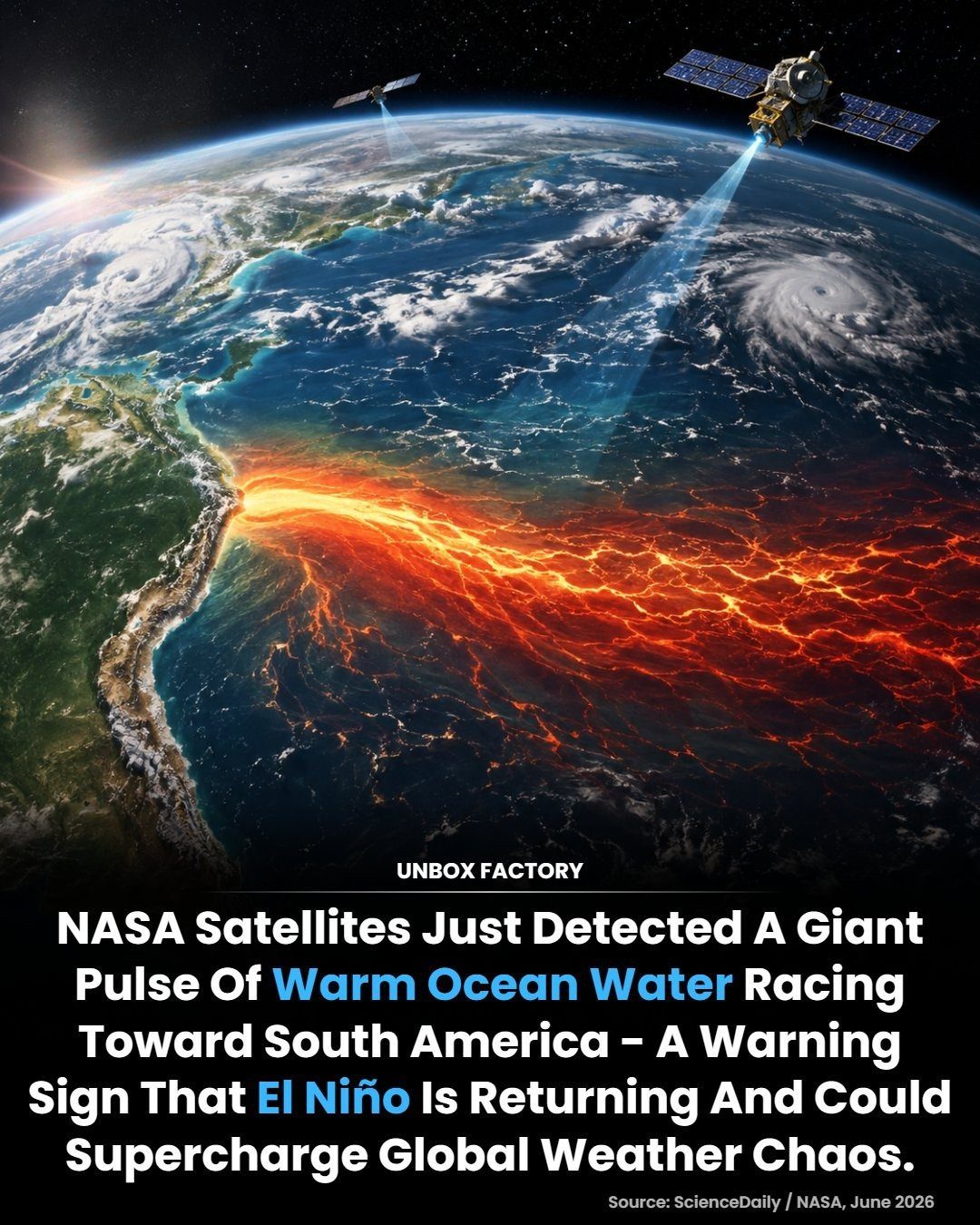
El Niño Weather Pattern
El Niño is a complex weather phenomenon that occurs when sea surface temperatures in the equatorial Pacific become significantly warmer than average. This warming can have far-reaching effects on weather patterns around the globe. Recently, NASA satellites have detected a large mass of unusually warm water moving across the equatorial Pacific toward South America, suggesting that El Niño conditions could be returning.
Context / Why this matters
This development is crucial because El Niño can trigger a range of severe weather events, including droughts, flooding, stronger storms, heatwaves, and agricultural disruptions. These changes can impact food production, fisheries, water resources, and global temperatures, affecting billions of people worldwide. Understanding the potential return of El Niño is essential for preparedness and mitigation efforts.
Main discussion
What is El Niño?
El Niño is part of a broader climate pattern known as the El Niño-Southern Oscillation (ENSO). It is characterized by unusually warm ocean temperatures in the Equatorial Pacific, which can disrupt normal weather patterns. The term "El Niño" refers to the Christ Child, reflecting the phenomenon's tendency to develop around Christmas time. The opposite phase of ENSO is called La Niña, which is characterized by cooler than average sea surface temperatures in the same region.
How is El Niño detected?
El Niño is detected through a combination of satellite observations, buoys, and weather models. NASA satellites play a crucial role in monitoring sea surface temperatures and detecting the large pulses of warm water that move across the equatorial Pacific. These satellites provide real-time data that help scientists track the development and movement of El Niño conditions.
What are the impacts of El Niño?
El Niño can have significant and varied impacts on different regions of the world. Some of the most notable effects include:
- Droughts: Regions such as Australia, Indonesia, and parts of Africa may experience severe droughts, leading to water shortages and agricultural failures.
- Flooding: Conversely, other areas like the southern United States, Peru, and parts of South America may face heavy rainfall and flooding, which can cause widespread damage and displacement.
- Storms: El Niño can intensify storms and hurricanes in certain regions, leading to more frequent and severe weather events.
- Heatwaves: Higher global temperatures can exacerbate heatwaves, posing significant health risks and increasing the demand for energy.
How does El Niño affect climate?
The warming of the Pacific Ocean during El Niño events can influence global temperatures. This warming can lead to a rise in sea levels and alter atmospheric circulation patterns, affecting weather systems around the world. The impact on global temperatures can be significant, contributing to shorter-term climate variability and longer-term trends.
El Niño and Climate Change
While El Niño is a natural phenomenon, there is growing evidence that climate change may be exacerbating its effects. Rising global temperatures can make El Niño events more frequent and intense, leading to more severe weather events and greater disruption to ecosystems and human societies.
Practical tips
Stay informed
One of the best ways to prepare for the potential impacts of El Niño is to stay informed about the latest developments. Follow reliable sources such as NASA, the National Oceanic and Atmospheric Administration (NOAA), and other scientific organizations for updates on El Niño conditions and their potential impacts.
Prepare your home
Make sure your home is prepared for potential weather extremes. This might include reinforcing your roof and windows, stocking up on emergency supplies, and having a plan in place for evacuating if necessary. For those in flood-prone areas, consider investing in flood barriers or sandbags.
Protect your crops
Farmers and agricultural workers should take steps to protect their crops from drought or excessive rainfall. This might involve adjusting irrigation practices, planting drought-resistant crops, and implementing soil conservation techniques.
Be mindful of water resources
In areas prone to drought, it's crucial to conserve water. Implement water-saving practices in your home and community, and support policies that promote sustainable water management.
Stay healthy
Extreme weather events can pose significant health risks, including heat exhaustion, dehydration, and the spread of waterborne diseases. Stay informed about local health advisories and take steps to protect yourself, such as staying hydrated, avoiding outdoor activities during peak heat hours, and seeking medical attention if necessary.
Important takeaways
- The detection of a large mass of warm water moving toward South America is an early indicator that El Niño conditions could return.
- El Niño can trigger severe weather events, including droughts, flooding, stronger storms, and heatwaves, affecting billions of people worldwide.
- The impacts of El Niño can be significant and varied, affecting food production, fisheries, water resources, and global temperatures.
- Staying informed, preparing your home, protecting your crops, conserving water, and staying healthy are practical steps to mitigate the impacts of El Niño.
Conclusion
The potential return of El Niño is a significant development that warrants close attention. By understanding the phenomenon and taking proactive steps to prepare, individuals and communities can better navigate the challenges it presents. Staying informed, being prepared, and taking practical steps to mitigate the impacts of El Niño are essential for protecting lives and livelihoods in the face of this powerful weather pattern.
Watch the Reel
Questions readers ask
What exactly is the El Niño weather pattern?
El Niño is a weather pattern characterized by unusually warm ocean temperatures in the equatorial Pacific. It occurs when sea surface temperatures in this region rise significantly above average, leading to changes in global weather patterns, including droughts, floods, and stronger storms.
How does NASA monitor the El Niño weather pattern?
NASA uses advanced satellite technology to monitor the El Niño weather pattern. These satellites detect changes in sea surface temperatures and track the movement of warm water pulses, such as the one currently moving towards South America, which can indicate the onset of El Niño conditions.
What are the potential impacts of the warm water pulse moving towards South America?
The warm water pulse moving towards South America could trigger a variety of severe weather events, including droughts, flooding, and stronger storms. These changes can significantly affect food production, water resources, and fisheries, leading to widespread disruptions and impacting billions of people around the world.
When is the next El Niño weather pattern predicted to occur?
While it is difficult to predict the exact timing of future El Niño events, the current detection of a warm water pulse by NASA suggests that El Niño conditions could be returning soon. Scientists are closely monitoring the situation, and predictions for El Niño 2026 are being considered as more data becomes available.
How does El Niño affect global temperatures?
El Niño can lead to significant changes in global temperatures. The warm ocean temperatures can release heat into the atmosphere, causing global temperatures to rise. This can result in heatwaves and other extreme weather events, further impacting ecosystems and human societies.
Related deep dives
Similar reads based on topic and creator.




Recent articles
Fresh deep dives from the latest Reels we unpacked.
Comments
Be the first to comment.