The Octagon: Unveiling Egypt's Ambitious Military Headquarters
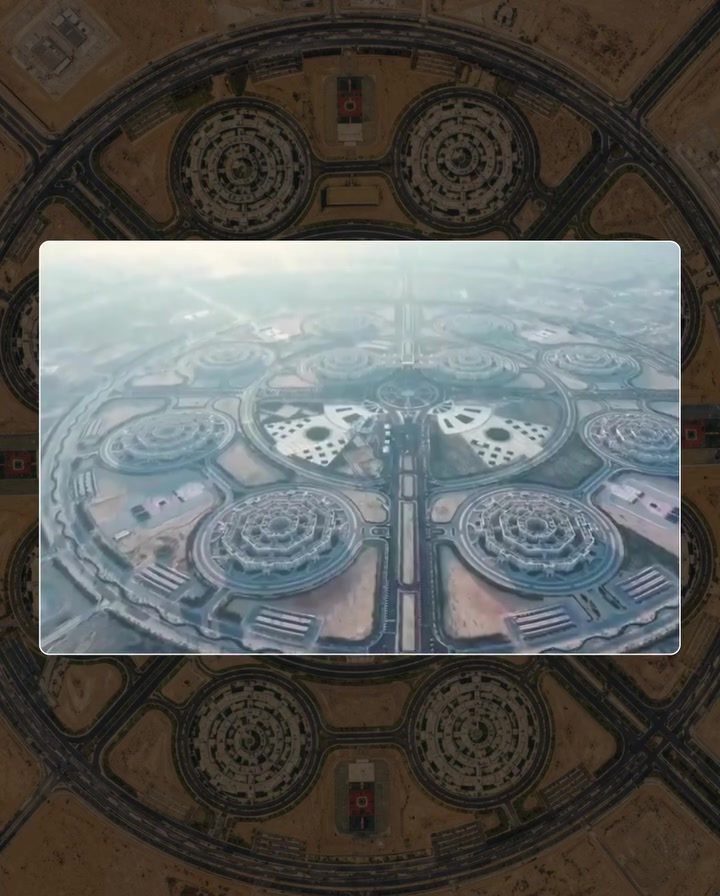
The Octagon, Egypt's newly built military headquarters, is a marvel of modern engineering and strategic design. This colossal defense complex is nearly eight times the size of the U.S. Pentagon, making it one of the world's most ambitious military projects. The Octagon is more than just a large structure; it is a highly coordinated hub designed to integrate military leadership and operations. What makes this complex unique is its octagonal design, featuring eight outer buildings that represent different branches of Egypt’s armed forces, along with two central command structures.
Context / Why this matters
Egypt's military has long been a crucial component of the country's strategic planning and defense. However, with the construction of The Octagon, Egypt has made a bold statement about its commitment to modernizing its defense infrastructure. The sheer scale of The Octagon and its unique design are not just engineering feats but also strategic moves that reflect Egypt's vision for a highly coordinated and efficient military command.
Main discussion
The Unique Design
One of the most striking features of The Octagon is its octagonal design. This design is not just an aesthetic choice; it serves a strategic purpose. The eight outer buildings each represent a different branch of Egypt’s armed forces, allowing for a centralized and coordinated command structure.
The central command structures are the nerve center of the complex. They are designed to facilitate the seamless coordination of military operations, ensuring that all branches of the armed forces can work together efficiently. This design is a testament to Egypt’s forward-thinking approach to military strategy and defense planning.
The Size and Scale
The size of The Octagon is almost impossible to imagine. Nearly eight times larger than the U.S. Pentagon, it underscores Egypt's commitment to creating a state-of-the-art defense complex. The vast expanse of The Octagon includes a large circular road system, which is not just for aesthetic purposes but also for strategic maneuverability during emergencies and military parades.
The aerial views of the complex reveal the intricate details of the road system and the various buildings that make up the complex. These aerial views also provide a sense of the sheer scale of the project, highlighting the precision and meticulous planning that has gone into its design and construction.
Practical tips
If you're interested in military engineering and architecture, there are several aspects of The Octagon that can provide valuable insights. Here are a few practical tips for appreciating and understanding this complex:
Understanding the Layout
One of the best ways to appreciate The Octagon is to understand its layout. The octagonal design, with its eight outer buildings and two central command structures, is a unique feature that sets it apart from other military headquarters. Pay close attention to how each building is positioned and its role in the overall command structure.
The Role of Technology
The Octagon is not just a physical structure; it is also a technological marvel. The complex is designed to integrate advanced communication and surveillance technologies, ensuring that military leaders and operations are always connected and informed. This integration of technology is a key aspect of modern military command and control.
The Importance of Strategic Design
The strategic design of The Octagon is a testament to the value of strategic thinking in military planning. The unique layout and design of the complex ensure that all branches of the armed forces can operate in an integrated and coordinated manner. This is a valuable lesson in the importance of strategic design in military engineering and planning. This centralization of command and control ensures that all branches of the armed forces can operate in an integrated and coordinated manner.
Important takeaways
Centralized Command and Control
The Octagon's central command structures are a key feature that sets it apart from other military headquarters. By centralizing command and control, The Octagon ensures that military leaders and operations are always connected and informed. This centralization of command and control ensures that all branches of the armed forces can operate in an integrated and coordinated manner.
Strategic Design
The strategic design of The Octagon is a testament to the value of strategic thinking in military planning. The unique layout and design of the complex ensure that all branches of the armed forces can operate in an integrated and coordinated manner. This is a valuable lesson in the importance of strategic design in military engineering and planning.
Technological Integration
The integration of advanced communication and surveillance technologies in The Octagon is a key aspect of modern military command and control. This integration ensures that military leaders and operations are always connected and informed, allowing for a rapid and effective response to any threats or emergencies.
Conclusion
The Octagon is a testament to Egypt's ambition and strategic vision in military defense. Its unique design, vast scale, and technological integration make it one of the world's most advanced and talked-about defense engineering projects. For anyone interested in military engineering, architecture, and strategic planning, The Octagon offers valuable insights and inspiration. As Egypt continues to modernize its defense infrastructure, The Octagon stands as a symbol of its commitment to excellence in military command and control.
Watch the Reel
Questions readers ask
What are the key features of Egypt's new military headquarters, The Octagon?
The Octagon is characterized by its octagonal design, which includes eight outer buildings, each dedicated to a different branch of Egypt's armed forces. Additionally, it has two central command structures that facilitate coordinated military operations. The complex is remarkably large, nearly eight times the size of the U.S. Pentagon.
How does the design of The Octagon support military operations?
The design of The Octagon is strategically planned to integrate military leadership and operations efficiently. The layout allows for centralized command and control, with each branch of the armed forces having its own dedicated space, ensuring smooth coordination and quick decision-making.
Why is The Octagon considered one of the world's most ambitious military projects?
The Octagon stands out due to its sheer size and the complexity of its design. Spanning nearly eight times the area of the U.S. Pentagon, it represents a significant investment in military infrastructure and showcases Egypt's commitment to modernizing its defense capabilities.
What is the significance of the eight outer buildings in The Octagon?
The eight outer buildings in The Octagon each represent a different branch of Egypt’s armed forces. This design ensures that each branch has its own dedicated space while maintaining proximity to the central command structures, fostering better communication and operational efficiency.
How does The Octagon's size compare to other military headquarters around the world?
The Octagon is one of the largest military headquarters globally. It is nearly eight times the size of the U.S. Pentagon, making it a standout in terms of scale and capacity. This size allows for extensive facilities and resources to support Egypt's military operations.
What role does The Octagon play in Egypt's strategic planning and defense?
As Egypt's newly built military headquarters, The Octagon serves as a central hub for strategic planning and defense. Its design promotes coordination among different branches of the armed forces, ensuring that military operations are conducted efficiently and effectively, and enhancing the overall defense capabilities of the country.
What are the benefits of the centralized command structures in The Octagon?
The two central command structures in The Octagon play a crucial role in facilitating coordinated military operations. They provide a centralized point for decision-making, enabling quick responses to any threats or challenges, and ensuring that all branches of the armed forces can work together seamlessly.
Related deep dives
Similar reads based on topic and creator.




Recent articles
Fresh deep dives from the latest Reels we unpacked.




Comments
Be the first to comment.