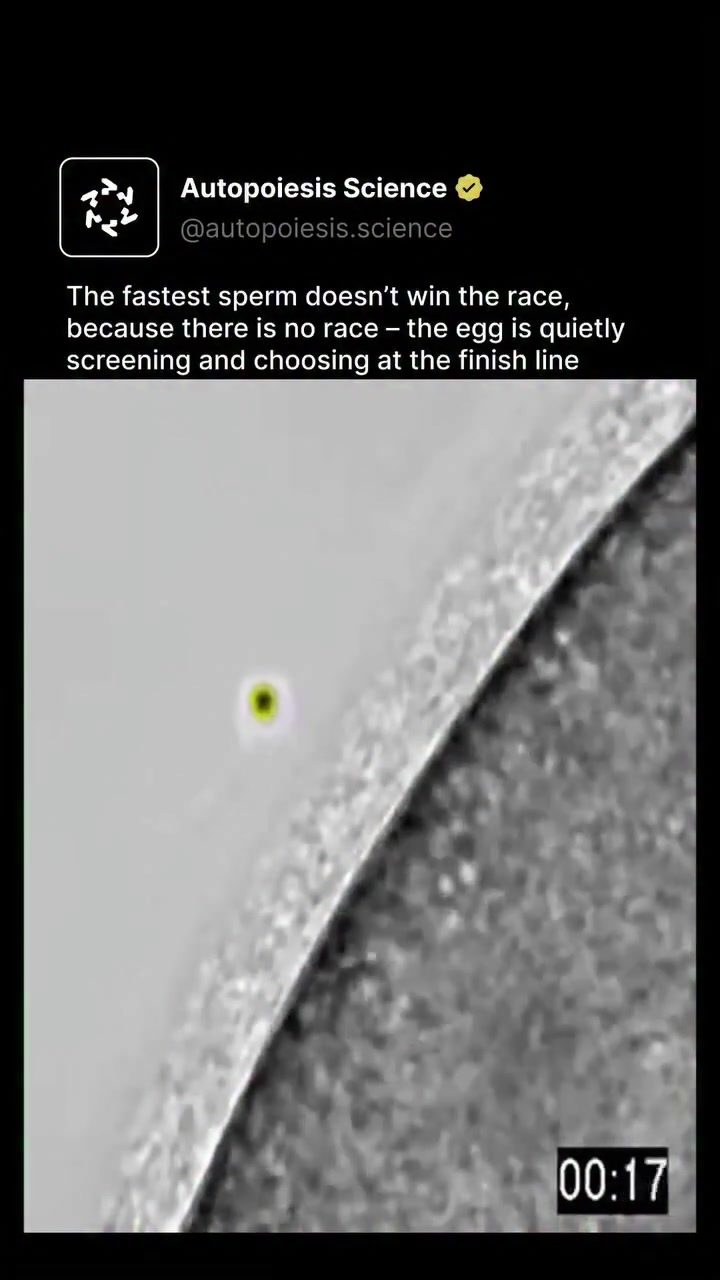
The Science Behind Sperm and Egg Fertilization
The notion of the "fastest sperm wins" is a common misconception; it oversimplifies the actual fertilization process. Fertilization is a guided filtering process, one where millions of sperm enter the reproductive tract, but only a select few reach the egg. This journey is heavily influenced by various biological mechanisms that act as filters, with the egg playing an active role in the selection process.
Why This Matters
Fertilization is a complex biological process that involves multiple stages and mechanisms. Understanding how it works can provide deeper insights into reproductive health, infertility issues, and even the development of more effective assisted reproductive technologies, such as in vitro fertilization (IVF).
The Filtration Process
The Role of Natural Barriers
The reproductive tract is equipped with several natural barriers that sperm must navigate. Cervical mucus, for instance, acts as a selective filter. This mucus changes its composition throughout the menstrual cycle, becoming more permeable to sperm during ovulation. Additionally, immune responses and physical barriers within the reproductive tract help filter out most sperm, ensuring that only the fittest reach the egg.
The Egg's Role in Filtration
The egg is not a passive participant in the fertilization process. It actively releases chemical signals called chemoattractants, which create gradients that guide sperm towards it. These chemoattractants are crucial because they bias which sperm get the final opportunity to fertilize the egg. The egg tends to favor sperm with certain genetic profiles, particularly those related to the immune system, known as the major histocompatibility complex (MHC).
Genetic Compatibility
The egg's selection process favors sperm that exhibit greater diversity in immune system genes. This genetic diversity is thought to produce stronger immune systems in offspring. The egg's preference for certain genetic profiles suggests that it may be selecting for genetic compatibility over speed. This can help ensure that the resulting embryo has a robust immune system and better chances of survival and health.
The Surprising Findings
One of the most intriguing findings in this process is that eggs sometimes show stronger chemical attraction to sperm from men who are not the woman's partner. This phenomenon is purely biochemical and not conscious or behavioral. It reveals that human attraction and biological compatibility do not always align at the cellular level. This discovery could have significant implications for understanding unexplained infertility and improving IVF treatments.
Practical Tips
For Couples Trying to Conceive
Understanding the nuances of the fertilization process can provide valuable insights for couples trying to conceive. Awareness of the role of cervical mucus, immune responses, and the egg's selection process can guide lifestyle changes and medical interventions to enhance fertility.
For Medical Professionals
For medical professionals, this knowledge can inform the development of more effective fertility treatments. By understanding the complex interactions between sperm, the reproductive tract, and the egg, healthcare providers can tailor treatments to address specific barriers to fertilization, leading to higher success rates in assisted reproductive technologies.
Important Takeaways
The fertilization process is far more complex and nuanced than the idea of the "fastest sperm winning." It involves a guided filtering process where multiple biological mechanisms work together to ensure that only the most compatible sperm reach the egg. This process highlights the active role of the egg in selecting sperm based on genetic compatibility and immune system genes, which can have significant implications for reproductive health and the treatment of infertility.
Conclusion
The concept of the "fastest sperm wins" is a myth that oversimplifies the intricate process of fertilization. Understanding the true dynamics of sperm selection and the egg's role in this process can offer valuable insights into reproductive health. By appreciating the complexity of these biological mechanisms, individuals and healthcare providers can better address fertility challenges and enhance reproductive success.
Watch the Reel
Questions readers ask
Does the egg play a role in selecting the best sperm for fertilization?
Yes, the egg plays an active role in selecting sperm. It guides and filters sperm based on chemical signals and genetic preferences, rather than merely waiting for the fastest sperm to arrive.
Is the 'fastest sperm wins' concept accurate?
No, the 'fastest sperm wins' is a myth. The process of fertilization is more complex, involving multiple stages and mechanisms that filter and guide sperm, with the egg actively selecting the most compatible sperm.
What role do immune system genes play in sperm selection?
Immune system genes are crucial in the sperm selection process. The egg preferentially selects sperm with advantageous immune system genes, ensuring that the offspring may have a robust immune system.
What are the key stages of the fertilization process?
The fertilization process involves several key stages, including sperm entry into the reproductive tract, sperm selection and filtration, sperm-egg interaction, and finally, the fusion of sperm and egg. This guided process is influenced by various biological mechanisms.
What are the criteria for sperm selection?
The criteria for sperm selection are determined by both chemical signals and genetic preferences. The egg uses these factors to filter and guide sperm, favoring those that are most compatible and have advantageous genetic traits.
How does the egg guide the sperm during fertilization?
The egg uses chemical signals to create a pathway through the reproductive tract, guiding sperm towards it. This guided process ensures that only the most compatible sperm reach the egg, maximizing the chances of successful fertilization.
Why is understanding the egg's role in sperm selection important?
Understanding the egg's role in sperm selection can provide valuable insights into reproductive health, infertility issues, and the development of assisted reproductive technologies, such as IVF, by offering a deeper understanding of the human fertilization process.
Related deep dives
Similar reads based on topic and creator.



Recent articles
Fresh deep dives from the latest Reels we unpacked.




Comments
Be the first to comment.