Eggs: A Nutritional Powerhouse
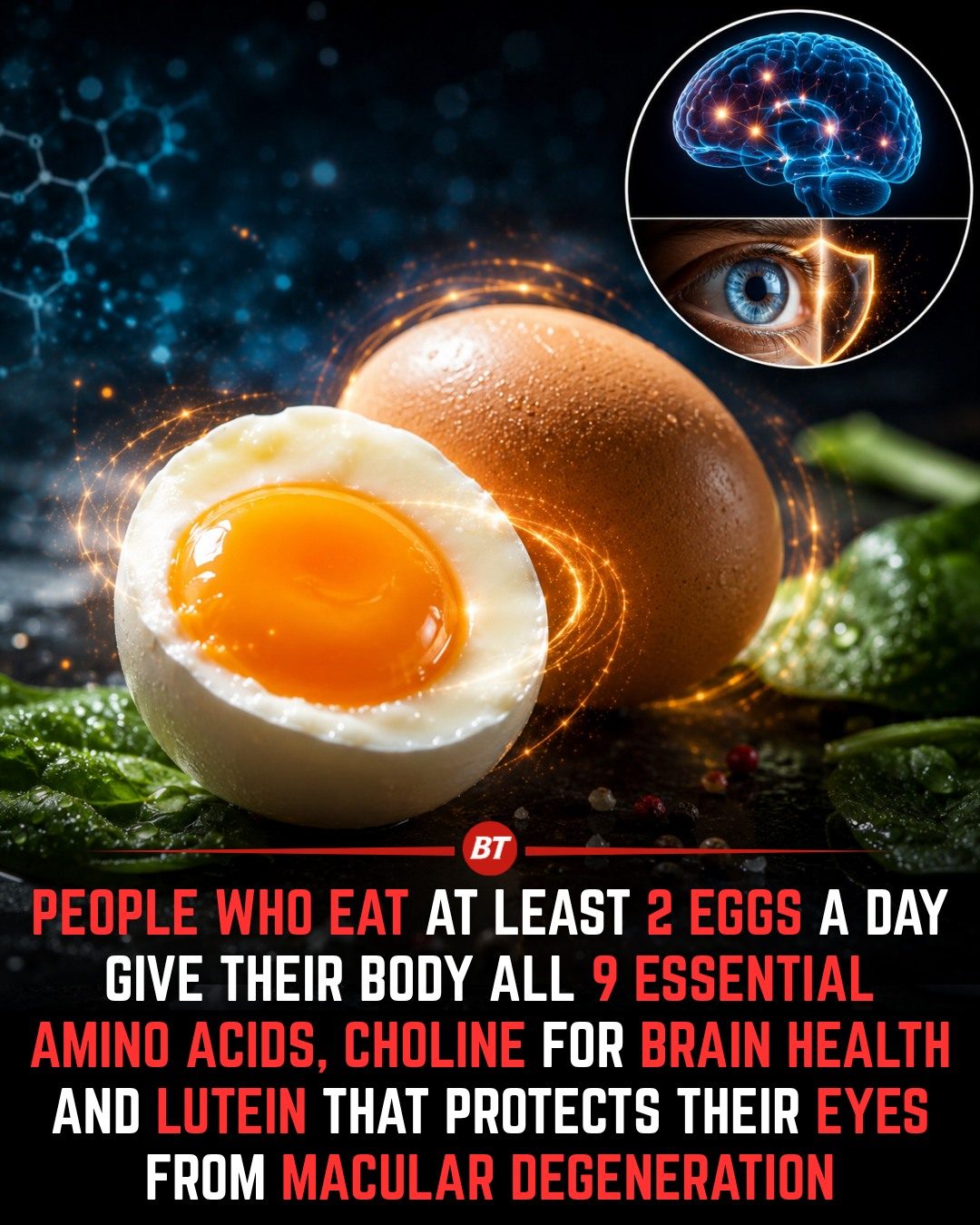
Eggs are a nutritional powerhouse, offering a comprehensive array of essential nutrients that support various aspects of health. Often referred to as "nature’s perfect protein," eggs provide all nine essential amino acids, making them a crucial component of a balanced diet.
Why This Matters
Incorporating eggs into your daily routine can have significant benefits for your overall health. They are not only a rich source of high-quality protein but also contain key nutrients that support brain function, vision health, and more. Understanding the specific benefits of eggs can help you make informed decisions about your diet.
Essential Amino Acids
Eggs are one of the few foods that naturally contain all nine essential amino acids. These amino acids are critical because your body cannot produce them on its own; they must come from your diet. The nine essential amino acids include histidine, isoleucine, leucine, lysine, methionine, phenylalanine, threonine, tryptophan, and valine. These building blocks are essential for building muscle, repairing tissues, producing hormones, and supporting a healthy immune system.
Choline for Brain Health
One of the standout nutrients in eggs is choline. Found predominantly in the yolk, choline is essential for brain health. It plays a crucial role in producing acetylcholine, a neurotransmitter involved in memory, learning, and muscle control. Many adults do not consume enough choline, making eggs an excellent dietary source to meet this nutritional need.
Lutein and Zeaxanthin for Eye Health
Egg yolks are also rich in lutein and zeaxanthin, two powerful carotenoid antioxidants. These compounds accumulate in the retina and help protect the macula from oxidative damage. Studies, including the Age-Related Eye Disease Study 2 (AREDS2), have shown that these antioxidants are associated with a lower risk of age-related macular degeneration, one of the leading causes of vision loss in older adults.
Additional Nutritional Benefits
Beyond amino acids, choline, and eye-protective antioxidants, eggs offer a range of other essential nutrients. They are a good source of vitamin B12, vitamin D, and selenium. These nutrients support various functions in the body, from maintaining energy levels to boosting the immune system.
Practical Tips for Incorporating Eggs into Your Diet
Eggs are incredibly versatile and can be enjoyed in various ways. Here are some practical tips for incorporating eggs into your daily meals:
Breakfast Ideas
- Scrambled Eggs: Pair scrambled eggs with spinach, tomatoes, and whole-grain toast for a balanced and nutritious breakfast.
- Avocado and Egg Toast: Top a slice of whole-grain bread with mashed avocado and a poached egg for a satisfying and healthy breakfast.
- Omelettes: Add a variety of vegetables like bell peppers, onions, and mushrooms to your omelette for added flavor and nutrients.
Lunchtime Options
- Egg Salad: Mix hard-boiled eggs with Greek yogurt, diced celery, and onions for a protein-packed salad. Serve it on a bed of greens or with whole-grain crackers.
- Quiche: Make a vegetable quiche with a variety of greens, tomatoes, and herbs for a nutritious and delicious lunch option.
Dinner Inspiration
- Egg Fried Rice: Use leftover cooked rice, vegetables, and eggs to make a quick and flavorful fried rice dish. Add soy sauce, garlic, and ginger for extra flavor.
- Baked Eggs with Vegetables: Bake eggs in a muffin tin with a variety of vegetables like zucchini, cherry tomatoes, and bell peppers for a healthy and flavorful dinner option.
Snack Ideas
- Deviled Eggs: Fill hard-boiled egg halves with a mixture of yolk, mayonnaise, and mustard for a protein-rich snack.
- Egg and Cheese Roll-Ups: Slice an egg into thin strips, roll it up with a slice of cheese, and secure it with a toothpick for a quick and easy snack.
Additional Tips
When cooking eggs, consider the following tips to maximize their nutritional benefits:
- Cooking Methods: Opt for cooking methods like poaching, boiling, or scrambling with minimal oil to retain the eggs’ nutritional content.
- Storage: Store eggs in the refrigerator and use them within a week of purchase for optimal freshness.
- Variety: Experiment with different cooking methods and flavor combinations to keep your meals interesting and delicious.
Important Takeaways
- Eggs are a complete protein source, providing all nine essential amino acids.
- The yolk is rich in choline, which supports brain health and cognitive function.
- Lutein and zeaxanthin in eggs help protect the eyes from macular degeneration.
- Incorporating eggs into your diet can support muscle health, brain function, and overall well-being.
Conclusion
Eggs are a nutritious and versatile food that can significantly enhance your diet. Whether you enjoy them for breakfast, lunch, or dinner, eggs offer a wealth of essential nutrients that support various aspects of your health. By incorporating eggs into your meals, you can reap the benefits of their complete protein content, brain-boosting choline, and eye-protective antioxidants. So, start your day with eggs and enjoy a healthier, more balanced diet.
Watch the Reel
Questions readers ask
How do eggs support brain health?
Eggs are an excellent source of choline, a nutrient crucial for brain health. Choline aids in the production of neurotransmitters and helps maintain the structure of brain cell membranes, which can enhance cognitive function and memory. Daily consumption of eggs can help incorporate this essential nutrient into your diet to support brain health.
What are the benefits of eggs for eye health?
Eggs contain two key nutrients, lutein and zeaxanthin, which are powerful antioxidants. These nutrients protect the eyes from harmful blue light and reduce the risk of age-related eye conditions. Incorporating eggs into your daily diet can help maintain good vision and support overall eye health.
What are essential amino acids and why are they important in eggs?
Essential amino acids are nutrients that the body cannot produce on its own and must be obtained through diet. Eggs provide all nine essential amino acids, making them a complete protein source. These amino acids are vital for various bodily functions, including muscle repair, growth, and overall health maintenance.
What are the advantages of eating eggs daily for vision?
Daily consumption of eggs can provide a steady supply of lutein and zeaxanthin, which are beneficial for eye health. These antioxidants help protect the eyes from oxidative stress and may reduce the risk of cataracts and macular degeneration, promoting better vision over time.
How does the protein in eggs support health?
The protein in eggs is of high quality, containing all the essential amino acids that the body needs. This makes eggs an excellent choice for muscle support and overall health maintenance. Protein from eggs can aid in muscle repair, growth, and help to keep you feeling full and satisfied.
What makes eggs one of the best foods for eye health?
Eggs are rich in lutein and zeaxanthin, two carotenoids that are highly concentrated in the eyes. They help to protect the macula, the central part of the retina, from damage caused by harmful light. By including eggs in your diet, you can support your eye health and potentially reduce the risk of age-related eye diseases.
Are there any other nutritional benefits of eggs apart from brain and eye health?
Yes, eggs offer a wide range of nutritional benefits. They are a good source of vitamin D, which supports bone health, and vitamin B12, which is essential for the nervous system. Additionally, eggs contain selenium, which supports the immune system, and iodine, which is important for thyroid function.
Related deep dives
Similar reads based on topic and creator.




Recent articles
Fresh deep dives from the latest Reels we unpacked.




Comments
Be the first to comment.