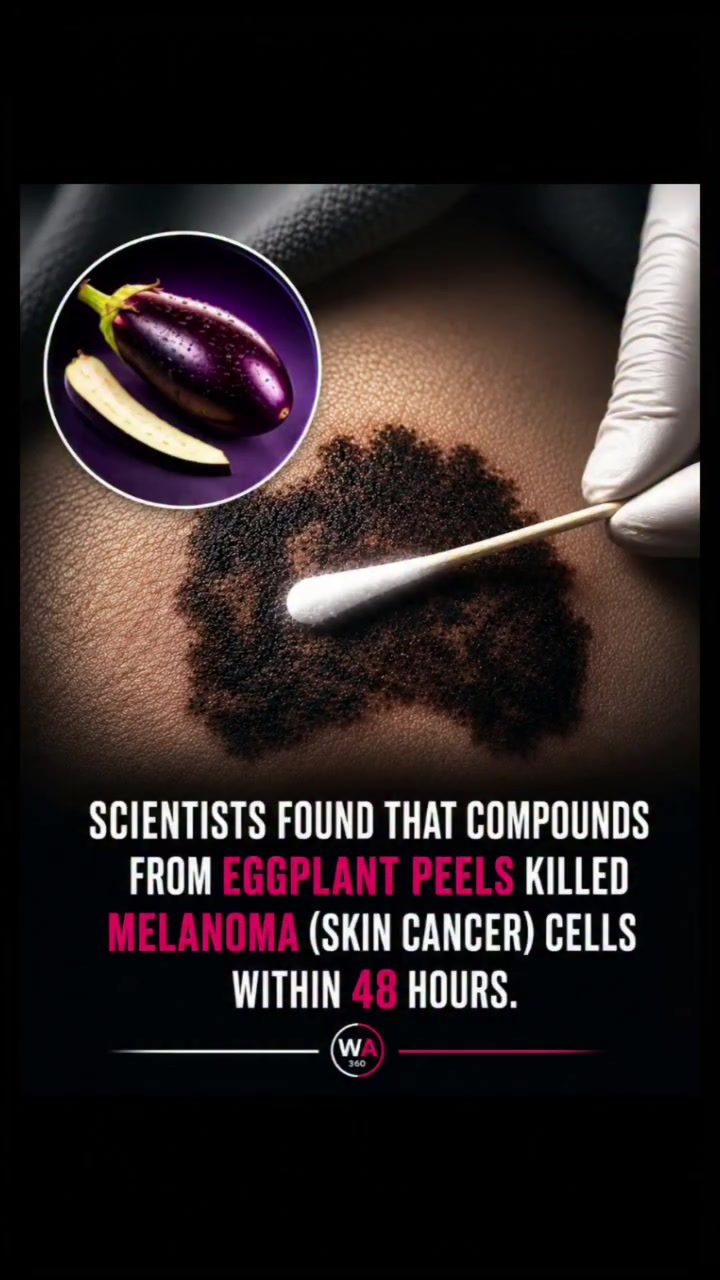
Eggplant Peels and Melanoma: A Scientific Breakthrough
Eggplants, a common vegetable in many cuisines, are under the microscope for more than just their culinary uses. Recent scientific research has uncovered that bioactive compounds found in eggplant peels may have significant potential in the fight against melanoma, a type of skin cancer.
Why This Matters
The discovery of natural compounds that can suppress or kill melanoma cells is a monumental step forward in cancer research. Melanoma is one of the deadliest forms of skin cancer, and current treatment options are often aggressive and have significant side effects. The possibility of harnessing natural compounds from everyday foods to develop new therapies offers a promising avenue for less invasive and potentially more effective treatments.
The Science Behind the Discovery
Bioactive Compounds in Eggplant Peels
Eggplant peels are rich in bioactive compounds, including antioxidants such as anthocyanins and phenolic compounds. These compounds have been shown to have various health benefits, including anti-inflammatory and anti-cancer properties. The recent research specifically focuses on their potential to target melanoma cells.
Laboratory Findings
Scientific studies have demonstrated that these bioactive compounds can suppress or kill melanoma cells under laboratory conditions. The effects were observed within a remarkably short period of 48 hours, highlighting the potency of these natural compounds. However, these findings are preliminary, and more research is needed to understand their full potential and how they might be applied in human treatment.
Mechanism of Action
The exact mechanism by which these compounds interact with melanoma cells is still under investigation. Preliminary data suggests that they may interfere with cellular processes that are crucial for the survival and proliferation of cancer cells. This interference can lead to the suppression or death of these cells, offering a new approach to cancer therapy.
The Importance of Further Research
While the initial findings are promising, it's crucial to understand that consuming eggplants or their peels does not constitute a treatment or cure for melanoma. The studies conducted so far have been in laboratory settings, and the compounds have not yet been tested in human clinical trials. More research is necessary to bridge this gap and determine the safety and efficacy of these compounds for human use.
Practical Tips
Incorporating Eggplants into Your Diet
Eggplants are a versatile vegetable that can be incorporated into various dishes. While they are not a cure for melanoma, including them in your diet can provide a range of health benefits. Here are some simple ways to add eggplants to your meals:
- Grill or Roast: Whole or sliced, grilled or roasted eggplants can be a delicious side dish or appetizer.
- Stir-Fry: Add diced eggplant to stir-fries for a nutritious boost.
- Soup: Eggplant soup is a hearty and flavorful option, especially in cooler months.
- Salads: Sliced eggplant can add texture and flavor to salads.
Skin Cancer Prevention
While the research on eggplant peels is exciting, it's essential to prioritize established methods of skin cancer prevention and treatment:
- Early Detection: Regularly check your skin for any changes, such as new moles, changes in existing moles, or any unusual spots.
- Sun Protection: Use sunscreen, wear protective clothing, and limit exposure to direct sunlight, especially during peak hours.
- Professional Medical Care: Schedule regular skin check-ups with a healthcare provider. If you notice any unusual changes, consult a dermatologist immediately.
Important Takeaways
The discovery of bioactive compounds in eggplant peels that can suppress or kill melanoma cells is a significant step forward in cancer research. While these findings are preliminary, they highlight the potential of natural compounds in developing new therapies. It's important to remember that more research is needed before these compounds can be used in human treatment. In the meantime, prioritize early detection, regular skin checks, and sun protection for skin cancer prevention and treatment.
Conclusion
The potential of everyday foods like eggplants to contribute to medical breakthroughs is both fascinating and inspiring. As research continues, we may uncover more natural compounds that can play a role in cancer treatment and prevention. Until then, rely on established methods for skin cancer prevention and treatment, and stay informed about the latest scientific advancements.
Watch the Reel
Questions readers ask
What specific compounds in eggplant peels are being studied for melanoma treatment?
Scientists are focusing on the bioactive compounds found in eggplant peels, such as nasunin and chlorogenic acid, which have shown potential to suppress or kill melanoma cells in laboratory studies. These compounds are being investigated for their ability to interfere with the growth and survival of cancer cells.
How do eggplant peels potentially help in melanoma treatment?
Eggplant peels contain bioactive compounds that have been shown to have anti-cancer properties. These compounds can inhibit the proliferation of melanoma cells and even induce cell death, making them a subject of interest for developing new, less invasive treatment methods for melanoma.
What makes these findings significant for skin cancer research?
The discovery that natural compounds from eggplant peels can target melanoma cells is significant because it opens up new avenues for developing more natural and less aggressive treatment options. This is particularly important for melanoma, which is one of the most aggressive forms of skin cancer and often requires harsh treatments.
Are there any ongoing studies or trials involving eggplant peels and melanoma?
While the article highlights recent laboratory findings, specific details about ongoing clinical trials or studies involving eggplant peels and melanoma patients were not provided. For the most current information, it would be best to check clinical trial databases or consult with dermatologists involved in skin cancer research.
Can eating eggplant help prevent or treat melanoma?
The research focuses on the bioactive compounds in eggplant peels, which are more concentrated in the peel than in the flesh. While consuming whole eggplants can be part of a healthy diet, it is the specific compounds in the peels that are being studied for their potential anti-melanoma properties. Consuming eggplant alone is not a proven treatment for melanoma.
What are the next steps in research on eggplant peels and melanoma?
The next steps likely involve further laboratory studies to better understand the mechanisms by which these bioactive compounds work, as well as potential clinical trials to test their efficacy and safety in human subjects. Researchers may also explore ways to extract and concentrate these compounds for therapeutic use.
Related deep dives
Similar reads based on topic and creator.




Recent articles
Fresh deep dives from the latest Reels we unpacked.




Comments
Be the first to comment.