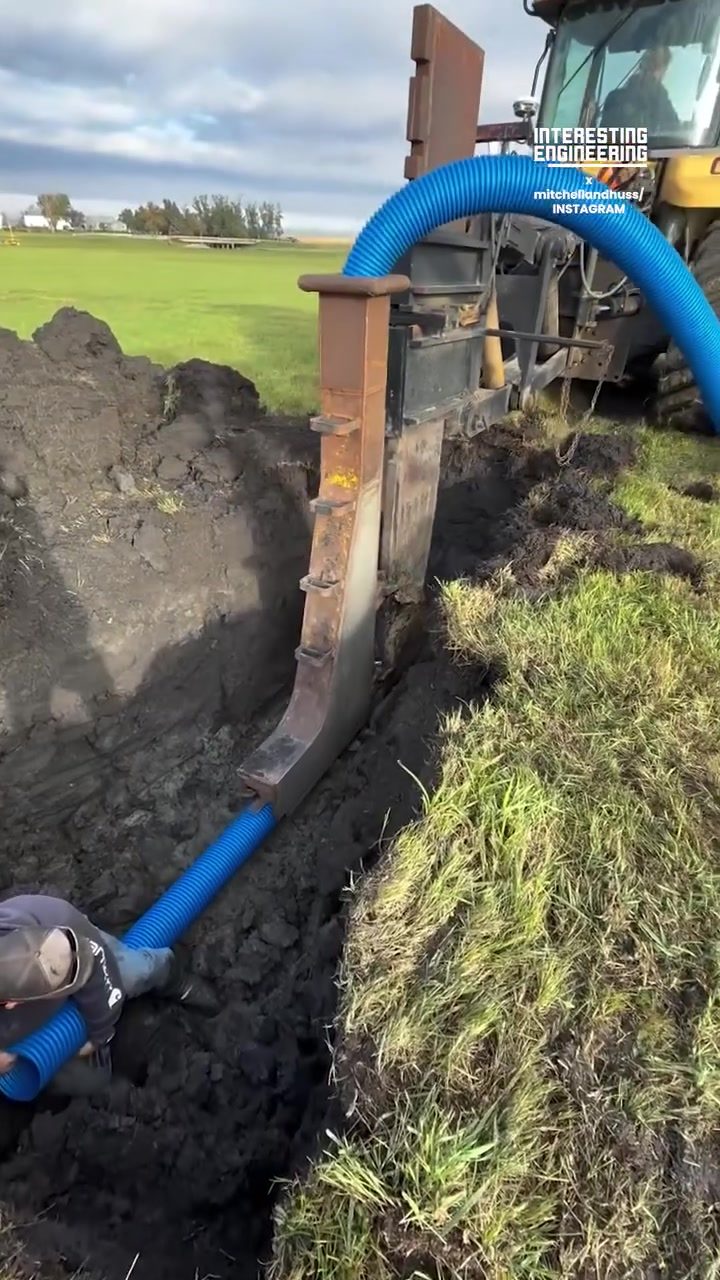
Trenching with a Tractor
Trenching with a tractor is a highly efficient method for creating precise and functional drainage systems. This process involves the use of specialized equipment to cut a deep channel through the soil while simultaneously laying drainage pipes. This approach is particularly useful in agricultural settings, where proper drainage can significantly improve crop conditions.
Why This Matters
Efficient drainage is crucial for maintaining healthy soil and optimizing crop growth. Poorly drained fields can lead to waterlogging, which inhibits plant growth and reduces yields. By installing a trenching system, farmers can ensure that excess water is effectively removed, creating a healthier environment for crops.
Main Discussion
The Trenching Process
The trenching process begins with a tractor equipped with a trenching attachment, such as a tile plow. This machine cuts a deep channel through the soil, allowing for the installation of flexible drainage pipes. The tile plow is designed to feed the pipes into the trench as it moves forward, creating an underground system that efficiently removes excess water from the field.
Equipment and Tools
Several key pieces of equipment are essential for successful trenching:
- Tractor: A powerful tractor is necessary to pull the trenching attachment and navigate through the field.
- Tile Plow: This attachment is specifically designed for cutting trenches and laying pipes. It ensures the trench is of the appropriate depth and width for the drainage pipes.
- Drainage Pipes: Flexible drainage pipes are used to carry excess water away from the field. These pipes are laid into the trench as it is being created, minimizing the need for additional manual labor.
Benefits of Trenching
Trenching offers several benefits for agricultural fields:
- Improved Soil Conditions: By removing excess water, trenching helps to prevent waterlogging, which can damage plant roots and inhibit growth.
- Enhanced Crop Yields: Proper drainage ensures that crops receive the right amount of moisture, leading to healthier plants and better harvests.
- Efficient Water Management: Trenching systems can be designed to direct water away from fields, reducing the risk of flooding and erosion.
Applications
Trenching is widely used in various applications, including:
- Agricultural Fields: Trenching helps to manage water levels in crop fields, ensuring optimal growing conditions.
- Landscaping: In landscaping projects, trenching can be used to create drainage systems for gardens, lawns, and other outdoor spaces.
- Construction Sites: Trenching is essential for laying underground utilities, such as water and gas pipes, in construction projects.
Practical Tips
Choosing the Right Equipment
When selecting equipment for trenching, consider the following factors:
- Tractor Power: Ensure the tractor has enough horsepower to handle the trenching attachment and navigate through the terrain.
- Tile Plow Design: Choose a tile plow that is compatible with the type of soil and the depth of the trench required.
Maintenance and Safety
Regular maintenance of the trenching equipment is essential for ensuring its longevity and performance. This includes:
- Inspecting the Tile Plow: Check the blade and other components for wear and tear, and replace any damaged parts as needed.
- Cleaning the Equipment: Remove any soil or debris from the equipment to prevent buildup and ensure smooth operation.
- Safe Operation: Always follow safety guidelines when operating the tractor and trenching attachment. Wear appropriate protective gear and ensure that the work area is clear of obstacles.
Important Takeaways
Trenching with a tractor is a highly effective method for improving drainage in agricultural fields. By using the right equipment and techniques, farmers can create efficient drainage systems that enhance soil conditions and boost crop yields.
Conclusion
Trenching with a tractor is a valuable practice for managing excess water in fields, whether for agricultural, landscaping, or construction purposes. By investing in the right equipment and following best practices, you can achieve optimal drainage and create a healthier environment for your crops.
Watch the Reel
Questions readers ask
What are the key benefits of using a tractor for trenching in agricultural settings?
Tractor trenching offers several benefits, including precise and efficient creation of drainage channels, which helps prevent waterlogging. This method ensures that excess water is removed, promoting healthier soil and better crop growth. Additionally, tractor trenching is time-saving and can cover large areas quickly, making it ideal for extensive farmlands.
How does tractor trenching improve soil health and crop yields?
Tractor trenching improves soil health by creating drainage channels that prevent waterlogging, which can inhibit plant growth. By removing excess water, it allows for better aeration and nutrient distribution in the soil. This healthier soil environment directly translates to improved crop yields, as plants have access to the necessary resources for optimal growth.
What is the most effective way to choose the right drainage tiles for fields?
When choosing drainage tiles for fields, consider the soil type, the amount of rainfall, and the specific crop requirements. Opt for durable, perforated tiles that allow water to flow through while preventing soil particles from entering. Consulting with a local agricultural expert can also provide valuable insights tailored to your region's conditions.
What are the key steps in the tractor trenching process for agricultural drainage systems?
The tractor trenching process involves several key steps: planning the layout of the drainage channels, marking the areas that need trenching, using a tractor plow to cut deep channels through the soil, and laying drainage pipes or tiles within these channels. Proper excavation and placement ensure efficient water removal and improved soil drainage.
What precautions should be taken during tractor trenching to avoid damaging underground utilities?
Before beginning trenching, it is crucial to call local utility companies to locate and mark any underground utilities. During the trenching process, pay close attention to these marks and avoid trenching in those areas. Using a careful and controlled approach with the tractor plow can help minimize the risk of damaging pipes or cables beneath the soil.
How deep should the trenches be when installing drainage channels for crops?
The depth of the trenches for drainage channels depends on the soil type and the crop requirements, but generally, they should be deep enough to ensure effective water removal. Trench depths typically range from 18 inches to 3 feet. Deeper trenches may be necessary in areas with heavy clay soils or high water tables to prevent waterlogging and ensure proper drainage.
Related deep dives
Similar reads based on topic and creator.

Recent articles
Fresh deep dives from the latest Reels we unpacked.




Comments
Be the first to comment.