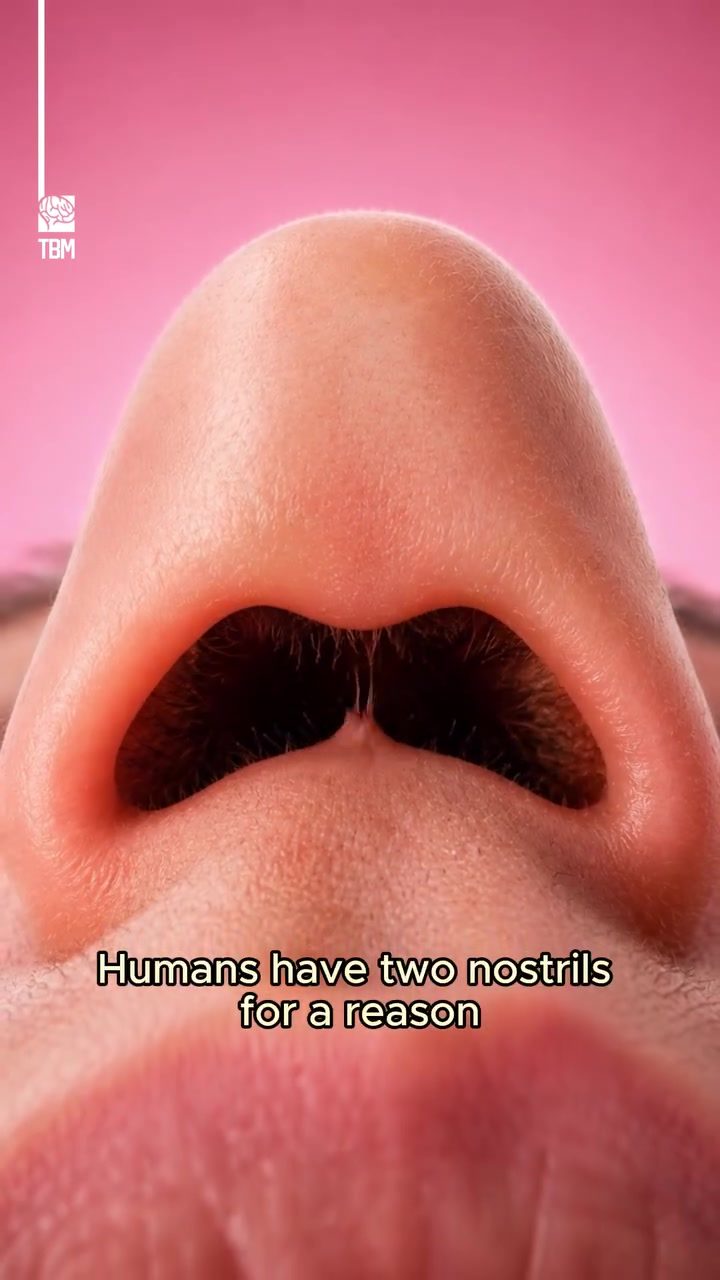
Human Nasal Anatomy
The human nose, with its two nostrils, is a marvel of efficient design. Understanding the reasons behind this dual structure and the processes occurring inside the nasal cavity sheds light on our respiratory and olfactory systems.
Why This Matters
Our nostrils serve more than just an aesthetic purpose; they play a crucial role in our daily functions. The design of the nasal cavity and the natural processes within it ensure efficient breathing, enhance our sense of smell, and maintain the health of the nasal tissues over time.
Main Discussion
Bilateral Symmetry and Nasal Design
Humans are bilaterally symmetrical, meaning the left and right sides of our bodies are nearly mirror images. This symmetry extends to our nasal passages, which have two separate openings. This design isn't just for balance; it offers significant advantages. The dual structure of the nostrils allows for more efficient airflow compared to a single opening. While both the nose and mouth can bring air into the body, the nose's dual openings facilitate a more effective breathing process.
The Nasal Cycle
One of the most intriguing processes happening inside the nose is known as the nasal cycle. This cycle involves the body naturally switching which nostril carries most of the airflow approximately every few hours. While one nostril is doing most of the breathing, the other gets a chance to rest and recover, keeping its tissues moist and healthy. This cyclical process is essential for maintaining the health and functionality of the nasal passages.
Functions of the Nostrils
The two nostrils work together to perform several critical functions:
-
Warming and Humidifying Air: As air enters the nasal passages, it is warmed and humidified, making it more suitable for the lungs. This process ensures that the air reaching your lungs is at the optimal temperature and moisture levels, protecting the lungs from potential damage.
-
Filtering Air: The nasal passages act as a natural filter, trapping dust, pollen, and other particles before they reach the lungs. This filtering mechanism is crucial for maintaining respiratory health.
-
Enhancing Smell: The dual structure of the nostrils creates different airflow patterns, which can enhance your sense of smell. This is achieved by the alternating dominance of each nostril, which can affect how odors are perceived.
Practical Tips
Understanding the nasal cycle and the functions of the nostrils can provide insights into maintaining nasal health. Here are some practical tips:
-
Stay Hydrated: Drinking plenty of water helps keep the nasal tissues moist, which is essential for the nasal cycle and overall nasal health.
-
Avoid Irritants: Limit exposure to irritants like cigarette smoke, harsh chemicals, and pollution, which can damage the delicate tissues in the nasal passages.
-
Use Saline Sprays: Saline nasal sprays can help keep the nasal passages moist, especially in dry environments. This can support the natural recovery process during the nasal cycle.
-
Regular Cleansing: Regularly cleaning your nose with a gentle saline solution can help remove dust and irritants, enhancing the nose's natural filtering function.
Important Takeaways
The design of the human nose with two nostrils and the nasal cycle are integral to our respiratory and olfactory systems. By understanding and supporting these natural processes, you can maintain nasal health and enhance your overall well-being. The nasal cycle, in particular, is a natural mechanism that ensures the health and functionality of the nasal passages, making it a crucial aspect of our respiratory system.
Conclusion
The two nostrils in the human nose are not just a matter of design but a functional necessity. The nasal cycle, which involves alternating airflow between the nostrils, is a vital process that keeps the nasal tissues healthy and ensures efficient breathing. By being mindful of maintaining nasal health, you can support these natural processes and enhance your respiratory and olfactory functions.
Watch the Reel
Questions readers ask
Why do humans have two nostrils instead of one?
Humans have two nostrils to optimize airflow. This design allows for better regulation of breathing, as one nostril can rest while the other is active, a process known as the nasal cycle. Additionally, the dual structure enhances the sense of smell by providing two channels for odor particles to enter.
What is the nasal cycle and why is it important?
The nasal cycle is a natural process where the nostrils alternate between periods of activity and rest. This cycle ensures that the nasal passages are continuously moisturized and cleared of any debris, promoting overall nasal health. It also helps maintain efficient airflow by preventing the nasal passages from becoming too dry or congested.
How does the design of the nasal cavity aid in breathing?
The nasal cavity's structure, with its complex network of turbinates and passages, helps to filter, warm, and humidify the air we breathe. The dual nostril design allows for uninterrupted airflow, as one nostril can compensate for the other during the nasal cycle, ensuring continuous airflow and better respiratory efficiency.
Can the nasal cycle be influenced by external factors?
Yes, the nasal cycle can be influenced by various factors such as sleep, exercise, and allergens. Certain factors may cause the nasal cycle to speed up, slow down, or even stop temporarily. However, the nasal cycle generally resumes its regular pattern once the influencing factor is removed.
What happens when one nostril is blocked during the nasal cycle?
When one nostril is blocked, the nasal cycle may temporarily pause or shift to the other nostril to compensate. If a blockage persists, it can lead to discomfort or difficulty in breathing. It is advisable to seek appropriate care to address the underlying cause of the blockage, such as using nasal sprays or consulting a healthcare professional.
How does the nasal cycle affect the sense of smell?
The nasal cycle can influence the sense of smell since it alters the airflow through the nostrils. Each nostril has unique sensory receptors and olfactory cells that contribute to the overall smell perception. During the nasal cycle, the alternating airflow allows for a more nuanced and balanced sensory experience.
Related deep dives
Similar reads based on topic and creator.




Recent articles
Fresh deep dives from the latest Reels we unpacked.




Comments
Be the first to comment.