Watermelon Seed Snack
Watermelon seeds are a delicious, often overlooked snack that comes from a unique variety of watermelon. These seeds are not just a byproduct of regular watermelon production but are grown and cultivated for their own merits. Understanding why farmers take the approach of crushing these watermelons is the key to appreciating the entire process from farm to snack.
Context / Why this matters
Seed watermelons are a special variety of the fruit grown primarily for the seeds. They are different from regular watermelons in texture, taste, and use. This special type of watermelon has a white, grainy flesh with minimal sweetness. While this may seem like a disadvantage, it is actually what makes these watermelons valuable. The seeds of this variety are large, plump, and numerous, making them an ideal source for snacking.
Main discussion
The Harvesting Process
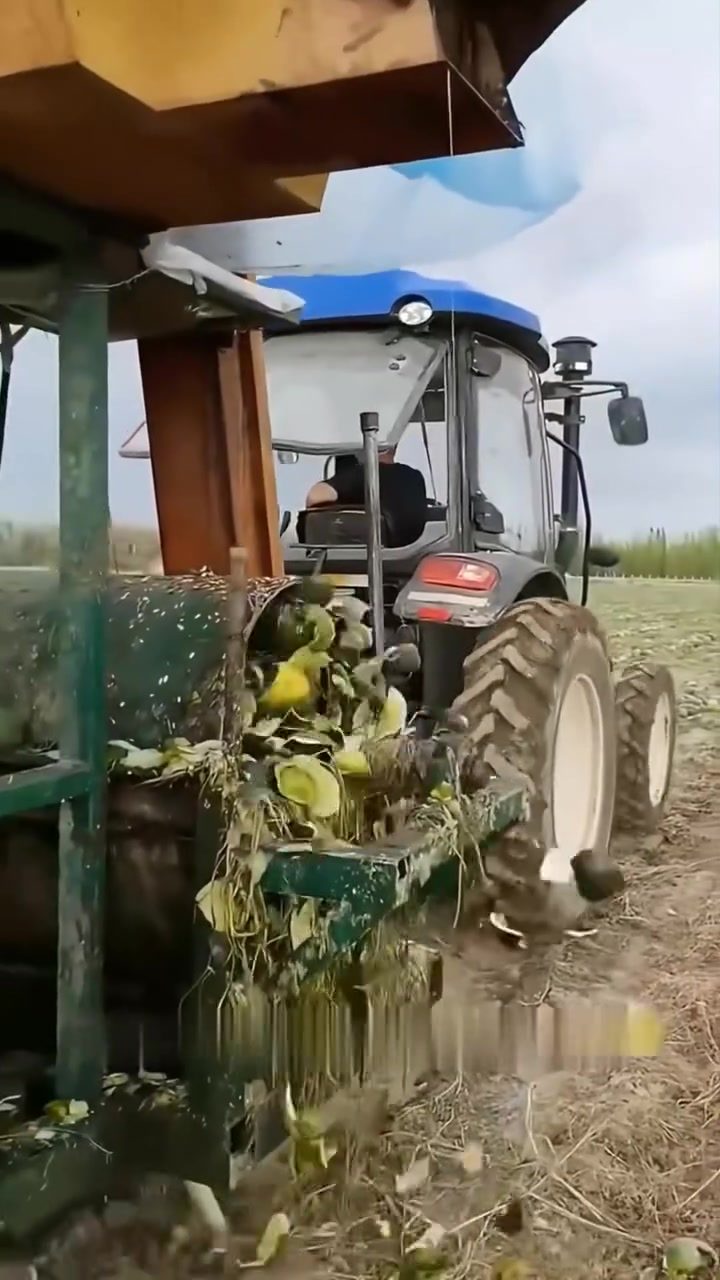
For seed watermelons, the process begins with harvesting. Unlike regular watermelons, these are picked when they are ripe, but they are not destined for the grocery store. Once ripe, the melons are transferred to a special tractor. This machine uses sharp spikes to pierce the watermelons, pulling them inside where they are crushed.
Processing and Separation
The crushing process is where the magic happens. The seeds are automatically separated from the flesh and rinds. This separation is crucial because it allows for the efficient collection of seeds. The leftover flesh and rinds are returned to the field as natural fertilizer, completing a sustainable farming cycle.
Cleaning, Roasting, and Seasoning
After the seeds are separated, they are cleaned by machine, removing any remaining flesh. This step is crucial to ensure that the seeds are free from impurities. The final stage involves roasting and seasoning the seeds, transforming them into the delicious snack we all enjoy.
Practical Tips
If you want to try making your own roasted watermelon seeds at home, here are some practical tips:
- Select the Right Watermelons: Ensure you are using seed watermelons, which are known for their plump seeds.
- Crushing the Melons: While a special tractor is used on commercial scales, at home, you can use a large crusher or blender to separate the seeds from the flesh.
- Clean the Seeds: Rinse the seeds thoroughly to remove any residual pulp.
- Roasting: Preheat your oven to 300°F (150°C) and spread the seeds on a baking sheet. Roast for about 15-20 minutes, stirring occasionally to ensure even roasting.
- Seasoning: After roasting, you can season the seeds with salt, spices, or your favorite seasoning blend.
Important Takeaways
Farmers crush seed watermelons as part of a sustainable and efficient process to produce delicious, snackable seeds. The process from harvesting to roasting involves specialized equipment and techniques that ensure the seeds are clean, flavorful, and ready to enjoy. This method not only provides a tasty snack but also contributes to sustainable farming practices by using the leftover flesh and rinds as fertilizer.
Conclusion
Watermelon seeds are not just a byproduct of the watermelon industry but a valuable snack in their own right. Understanding the process of harvesting, processing, and preparing these seeds highlights the ingenuity and sustainability of modern farming practices. Next time you enjoy a handful of roasted watermelon seeds, you'll know the journey they've taken from the field to your snack bowl.
Watch the Reel
Questions readers ask
What makes watermelon seeds a unique snack option?
Watermelon seeds are a unique snack because they come from a specific variety of watermelon grown primarily for their seeds. These seeds are larger and more plump than those found in regular watermelons, offering a different taste and texture. They are also a sustainable snack because they make use of a part of the watermelon that is typically discarded.
How are watermelon seeds prepared for snacking?
To prepare watermelon seeds for snacking, they are first harvested from the special seed watermelons, then separated from the flesh, and cleaned. After cleaning, the seeds are roasted and seasoned to enhance their flavor. This process makes them a tasty and convenient snack.
What are the nutritional benefits of eating watermelon seeds?
Watermelon seeds are packed with nutrients. They are an excellent source of protein, healthy fats, and various minerals like magnesium and zinc. Eating roasted watermelon seeds can also contribute to a healthy diet due to their antioxidant properties.
Can you eat raw watermelon seeds?
While it is possible to eat raw watermelon seeds, they are often roasted for a better taste and easier digestion. Roasting enhances their flavor and makes them a more enjoyable snack. Additionally, removing the seeds from the watermelon flesh and cleaning them before consumption is recommended.
How are seed watermelons different from regular watermelons?
Seed watermelons are a unique variety grown specifically for their seeds. They have a white, grainy flesh with minimal sweetness, unlike the juicy, sweet flesh of regular watermelons. This difference in texture and taste is what allows for the cultivation of large, plump seeds that are ideal for snacking.
Related deep dives
Similar reads based on topic and creator.


Recent articles
Fresh deep dives from the latest Reels we unpacked.




Comments
Be the first to comment.