Clean Eating
Clean eating creates a calorie deficit through high-protein meals, fresh vegetables, and healthy fats. The inclusion of simple swaps keeps you full without making you feel like you're dieting.
Why This Matters
Healthy eating is about more than just counting calories. It's about creating meals that nourish the body while satisfying hunger and keeping you feeling full. This approach to healthy eating not only supports a calorie deficit but also ensures that you consume essential nutrients, making it easier to maintain a balanced diet.
Clean Eating
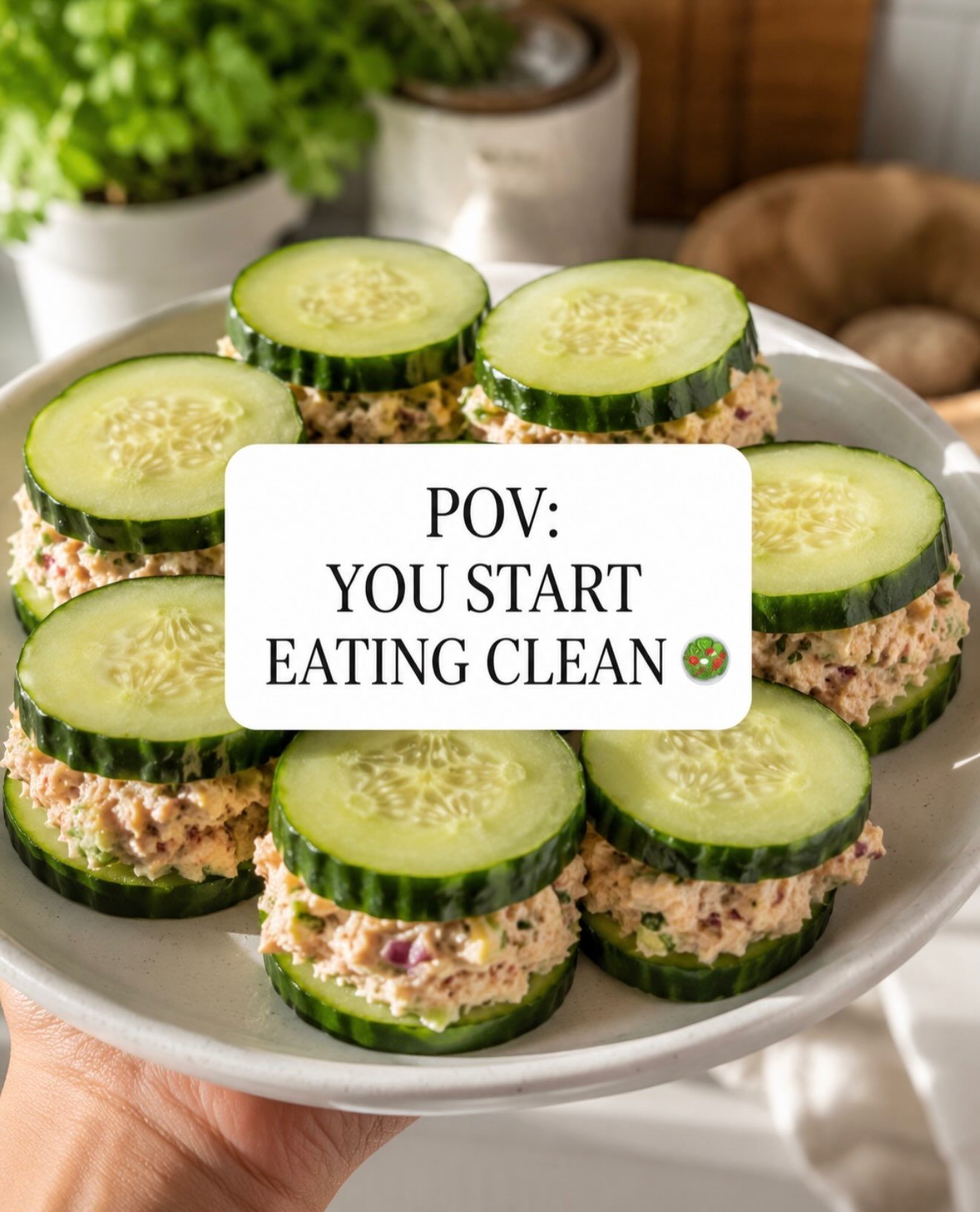
Incorporating protein into every meal is fundamental to feeling satisfied. This strategy helps manage hunger and stabilizes energy levels, making it easier to maintain a balanced diet. For instance, a cucumber tuna bites recipe offers a low-calorie, high-protein option. Similarly, a high-protein meal like a steak and eggs with avocado provides sustenance, keeping you full and satisfied.
Building Meals Around Protein
The key to successful clean eating is building meals around protein. Protein-rich foods such as chicken, fish, and eggs should form the foundation of your meals. These foods help you feel full and maintain a healthy metabolism. Once you have your protein source in place, add fiber and colorful vegetables to boost overall nutrition. This can be followed by carbs and healthy fats, depending on your specific dietary goals.
For instance, the teriyaki chicken bowl is a great example of this strategy. It balances lean protein from the chicken, fiber and vitamins from broccoli and jasmine rice, and healthy fats from guacamole. Similarly, a sesame chicken bowl with avocado offers a combination of protein, healthy fats, and essential nutrients from vegetables like spinach and cucumber.
Healthy Fats
Healthy fats, like avocado and olive oil, are essential for a balanced diet. They provide energy, support brain function, and help absorb vitamins. Adding these to your meals can make them more satisfying and nutritious. For example, a sesame chicken with avocado dish not only offers a rich source of protein but also provides healthy fats from the avocado, which are essential for overall health.
Fresh Vegetables
Vegetables, especially leafy greens and colorful veggies, are packed with vitamins, minerals, and fiber. They add volume to your meals, helping you feel full without adding many calories. For instance, a chicken Greek salad includes a variety of fresh vegetables, providing a range of nutrients and fiber that support overall health.
Practical Tips
-
Start with Protein: Always begin meal planning with a protein source. This could be chicken, fish, eggs, or plant-based options like tofu and tempeh.
-
Add Color: Include a variety of vegetables to add color and nutrients to your meals. This not only makes your meals more visually appealing but also ensures you get a wide range of vitamins and minerals.
-
Incorporate Healthy Fats: Add healthy fats like avocado, nuts, and seeds to your meals. These fats are essential for your body and can help keep you feeling full.
-
Balance Carbs and Fats: Depending on your dietary goals, add carbs and fats to your meals. For example, a steak Greek salad includes healthy fats from the steak and carb-fiber from the olive oil, bread, and other components. For those wanting to cut carbs, avoiding the bread and salad dressing can help.
-
Plan Your Meals: Save time and stay consistent by planning your meals for the week. Prep your ingredients and portion out your meals to avoid impulsive, unhealthy choices.
-
Use the Workit App: This app is designed to help you stay consistent, track progress, and maintain healthy habits. It offers features like workout tracking, water intake goals, nutritional information, and rewards for staying on track. The app also allows you to earn rewards for working out and eating healthy.
Important Takeaways
High-protein meals, fresh vegetables, and healthy fats are crucial for maintaining a balanced diet without feeling deprived. Building your meals around protein and adding fiber, color, and carbs/fats based on your goals ensures a satisfying and nutritious diet.
Conclusion
Clean eating doesn't have to be boring or complicated. By focusing on high-protein meals, fresh vegetables, and healthy fats, you can create meals that are both satisfying and nutritious.
Watch the Reel
Questions readers ask
What is the primary goal of clean eating as outlined in the article?
The primary goal of clean eating, as described in the article, is to create a calorie deficit through the consumption of high-protein meals, fresh vegetables, and healthy fats. This approach aims to keep individuals full and energized without feeling deprived, making it easier to maintain a balanced diet.
How does the Workit app support clean eating?
The Workit app supports clean eating by providing a variety of healthy, high-protein recipes that can be easily incorporated into a clean eating diet. These recipes are designed to be satisfying and nutrient-dense, making it simpler to maintain a balanced diet.
What are some examples of smart swaps in clean eating?
Examples of smart swaps in clean eating include choosing whole foods over processed ones, opting for healthier fats like avocados, and substituting high-calorie ingredients with lower-calorie alternatives. These swaps help keep meals satisfying and support a calorie deficit.
Why is protein important in clean eating?
Protein is crucial in clean eating because it helps to stabilize energy levels and manage hunger. Including protein in every meal ensures that you feel satisfied and full, making it easier to maintain a balanced diet and achieve your health goals.
Can you provide an example of a clean eating recipe from the article?
One example of a clean eating recipe mentioned in the article is a cucumber tuna bite. This type of meal incorporates high-protein ingredients and fresh vegetables, aligning with the principles of clean eating and helping to create a calorie deficit.
How does clean eating support overall health, beyond just weight loss?
Clean eating supports overall health by focusing on nutrient-dense foods that nourish the body. This approach ensures that essential nutrients are consumed, which is vital for maintaining a balanced diet and promoting overall well-being. Additionally, clean eating helps to stabilize energy levels and manage hunger, making it a sustainable lifestyle choice.
What are some benefits of using the Workit app for healthy meal prep?
Using the Workit app for healthy meal prep offers several benefits, including access to a variety of high-protein, nutrient-dense recipes that are designed to support a clean eating lifestyle. The app provides an easy way to plan and prepare meals, helping to maintain a calorie deficit and achieve your health goals with convenient, satisfying recipes.
Related deep dives
Similar reads based on topic and creator.



Recent articles
Fresh deep dives from the latest Reels we unpacked.




Comments
Be the first to comment.