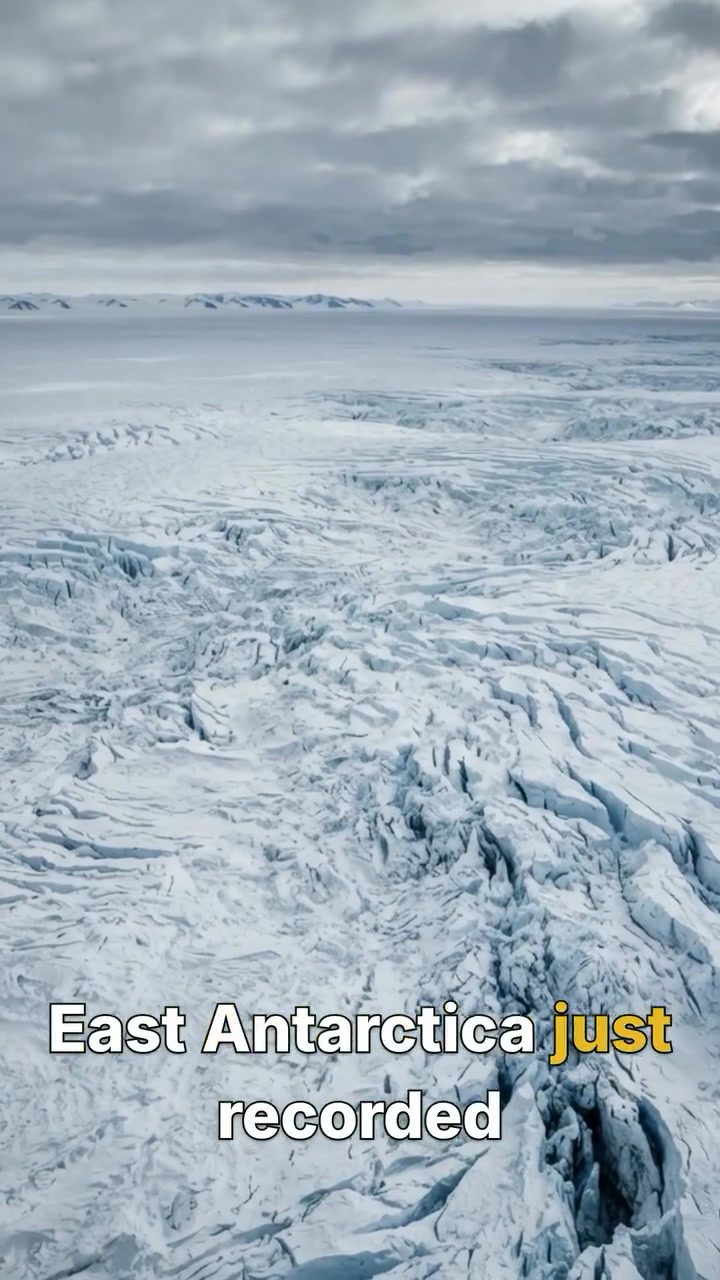
Temporary gain in East Antarctica's ice
East Antarctica's ice sheet is experiencing an unusual boost, accumulating nearly 700 billion tons over two years. This significant gain, a first for the region. Researchers found that persistent warming in the tropical Pacific and Indian Oceans is responsible — It reshaped wind patterns and drove extra snowfall onto the ice sheet. This discovery was published in the journal Nature. Factors at play here are complex. One factor includes wind patterns reshaping due to persistent warming in areas far from Antarctica. This interaction between ocean warming and atmospheric circulation highlights a delicate global balance. Remote warming in the tropics is also altering Antarctica According to the study. The local ice sheet actually getting bigger but the culprit is the same as what is driving other ice melt into oceans. While some areas of Antarctica are seeing unprecedented ice loss, East Antarctica’s ice sheet actually experienced a net gain. This temporary growth is tied to atmospheric changes driven by ocean warming in the tropics, with the Pacific and Indian Oceans primarily impacted.
Antarctica's ice dynamics
Antarctica's ice dynamics are highly sensitive to global weather patterns. "The gain is temporary". Researchers' emphasis on the temporary nature of this gain underscores the ongoing impact of climate change. This is not a reversal of Antarctica's long-term decline. The Antarctic icesheet is vast, and ice melt impact on global sea levels is potentially catastrophic. These changes are not isolated but part of a broader atmospheric response to oceanic warming. This finding underscores that weather influences far away can affect the world’s coldest place. Understanding this ice sheet growth helps scientists better predict sea-level rise. This is not a simple case of warming causing ice melt. While East Antarctica may be gaining ice in the short term, this is part of a broader atmospheric response linked to oceanic warming.
The remote influence of tropical oceans
The effect of tropical ocean warming on Antarctica is a complex phenomenon. The tropical Pacific and Indian Ocean's persistent warming caused this significant ice gain. This reshaped the wind patterns, driving extra snowfall to the ice sheet. This interaction highlights the intricate connections between global weather patterns and Antarctic ice dynamics. The influence of tropical oceans on the polar regions is complex. The short-term ice gain is linked to changing atmospheric conditions. This represents a small part of the ongoing climate change story. The satellite imagery confirms the physical presence of these changes. It's an insight into the intricate dance of Earth's climate systems.
Watch the Reel
Related deep dives
Similar reads based on topic and creator.


Recent articles
Fresh deep dives from the latest Reels we unpacked.

Comments
Be the first to comment.