Fungal Network Discovery
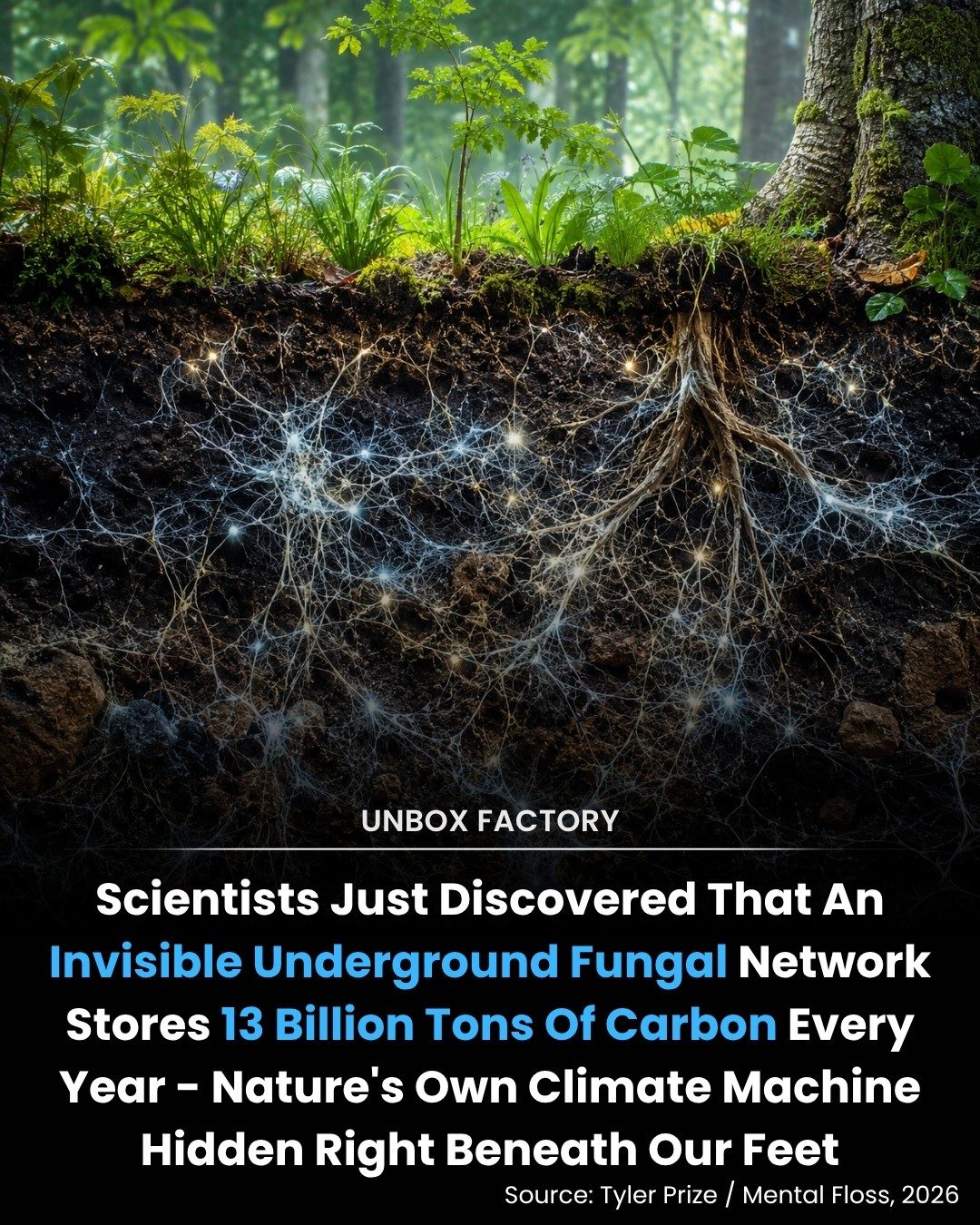
Beneath the Earth's surface lies a vast and intricate network of fungal filaments, a discovery that has captured the attention of scientists and environmentalists alike. This subterranean world, often referred to as the "Wood Wide Web," plays a pivotal role in storing carbon and regulating our planet's climate.
Context / Why this matters
Understanding the significance of this fungal network is crucial for grasping the broader implications of soil ecosystems on climate regulation. The network's ability to store carbon is a vital component in the fight against climate change. By locking away an estimated 13 billion tons of carbon each year, these fungi are helping to mitigate the impacts of carbon dioxide in the atmosphere.
Main discussion
The Wood Wide Web
The term "Wood Wide Web" is a fitting analogy for this vast fungal network. Just as the Internet connects billions of devices worldwide, the fungal network connects the roots of most land plants. This intricate web of mycorrhizal fungi facilitates the exchange of nutrients and water between plants, enhancing their overall health and resilience. Nearly 90% of all terrestrial plant species rely on these microscopic fungi for survival.
Carbon Storage Mechanism
The fungal network's role in carbon sequestration is one of its most remarkable features. These fungi help lock carbon into the soil, preventing it from being released back into the atmosphere as carbon dioxide. This process is essential for maintaining the delicate balance of carbon levels in the Earth's climate system. By storing carbon in the soil, the fungi contribute to the natural regulation of greenhouse gases, thereby mitigating the effects of global warming.
The Discovery
The discovery of this vast underground network was groundbreaking. Scientists have recently uncovered the extent to which these fungi contribute to carbon storage. The network is hidden beneath the surface, forming a complex web of filaments that connect plant roots. This discovery highlights the importance of soil ecosystems in climate regulation and underscores the need for further research and conservation efforts.
Importance of Soil Ecosystems
Soil ecosystems are often overlooked, but they play a critical role in our planet's health. The fungal network is just one example of the intricate relationships that exist within the soil. By understanding and protecting these ecosystems, we can enhance their ability to store carbon and regulate the climate. Conservation efforts focused on soil health are essential for maintaining the balance of carbon levels and ensuring the long-term sustainability of our planet.
Practical tips
Promoting Soil Health
To support the health of soil ecosystems, several practical tips can be followed:
Reduce Chemical Use
Minimizing the use of chemical fertilizers and pesticides can help preserve the delicate balance of soil microorganisms. Organic farming practices promote healthy soil ecosystems by encouraging the growth of beneficial fungi and bacteria.
Plant Diverse Species
Planting a variety of plant species can enhance soil biodiversity. Different plants have different root structures and nutrient requirements, which can support a diverse range of fungi and other soil organisms.
Composting
Composting organic waste can enrich the soil with essential nutrients and improve its structure. Composting encourages the growth of beneficial fungi and bacteria, which in turn support plant health and carbon storage.
Preserve Natural Habitats
Preserving natural habitats, such as forests and grasslands, is crucial for maintaining the health of soil ecosystems. These habitats provide ideal conditions for the growth of mycorrhizal fungi and other soil microorganisms.
Important Takeaways
The Role of Fungi
The discovery of the vast underground fungal network underscores the critical role that fungi play in soil ecosystems. These microscopic organisms are essential for plant health, nutrient cycling, and carbon sequestration.
Soil Conservation
Conserving soil ecosystems is vital for maintaining the health of our planet. By protecting and promoting the growth of soil microorganisms, we can enhance their ability to store carbon and regulate the climate.
Further Research
The discovery of the fungal network highlights the need for further research into soil ecosystems. Understanding the complex interactions within these ecosystems can provide valuable insights into climate regulation and conservation strategies.
Conclusion
The vast underground fungal network, often referred to as the "Wood Wide Web," is a remarkable example of the intricate relationships that exist within soil ecosystems. By storing an estimated 13 billion tons of carbon each year, these fungi play a crucial role in regulating Earth's climate. Conserving and promoting the health of soil ecosystems is essential for maintaining the delicate balance of carbon levels and ensuring the long-term sustainability of our planet.
Watch the Reel
Questions readers ask
What are mycorrhizal fungi and their role in the Wood Wide Web?
Mycorrhizal fungi are a type of fungi that form symbiotic relationships with plant roots, creating the Wood Wide Web. They help plants absorb water and nutrients while receiving carbohydrates from the plants. This network connects nearly 90% of land plants, facilitating nutrient exchange and enhancing overall plant health.
How does the Wood Wide Web contribute to carbon sequestration?
The Wood Wide Web contributes to carbon sequestration by storing carbon underground. Fungal networks lock away approximately 13 billion tons of carbon annually, which helps to reduce the amount of carbon dioxide in the atmosphere and mitigates the effects of global warming.
Why is understanding soil ecosystems important for climate regulation?
Soil ecosystems, including the Wood Wide Web, play a critical role in climate regulation by storing vast amounts of carbon. Understanding these ecosystems helps us grasp their potential in combating climate change and can inform strategies for environmental protection and restoration.
What is the significance of the 13 billion tons of carbon stored by fungi annually?
The 13 billion tons of carbon stored annually by fungi is significant because it represents a substantial amount of carbon dioxide that is not released into the atmosphere. This storage capacity highlights the importance of preserving and enhancing fungal networks to combat global warming and regulate climate.
How does the Wood Wide Web enhance plant health?
The Wood Wide Web enhances plant health by connecting plants through an intricate network of fungal filaments. This network facilitates the exchange of nutrients and water, helping plants to thrive even in challenging conditions. By improving plant health, the Wood Wide Web indirectly supports overall ecosystem health and resilience.
Related deep dives
Similar reads based on topic and creator.




Recent articles
Fresh deep dives from the latest Reels we unpacked.




Comments
Be the first to comment.