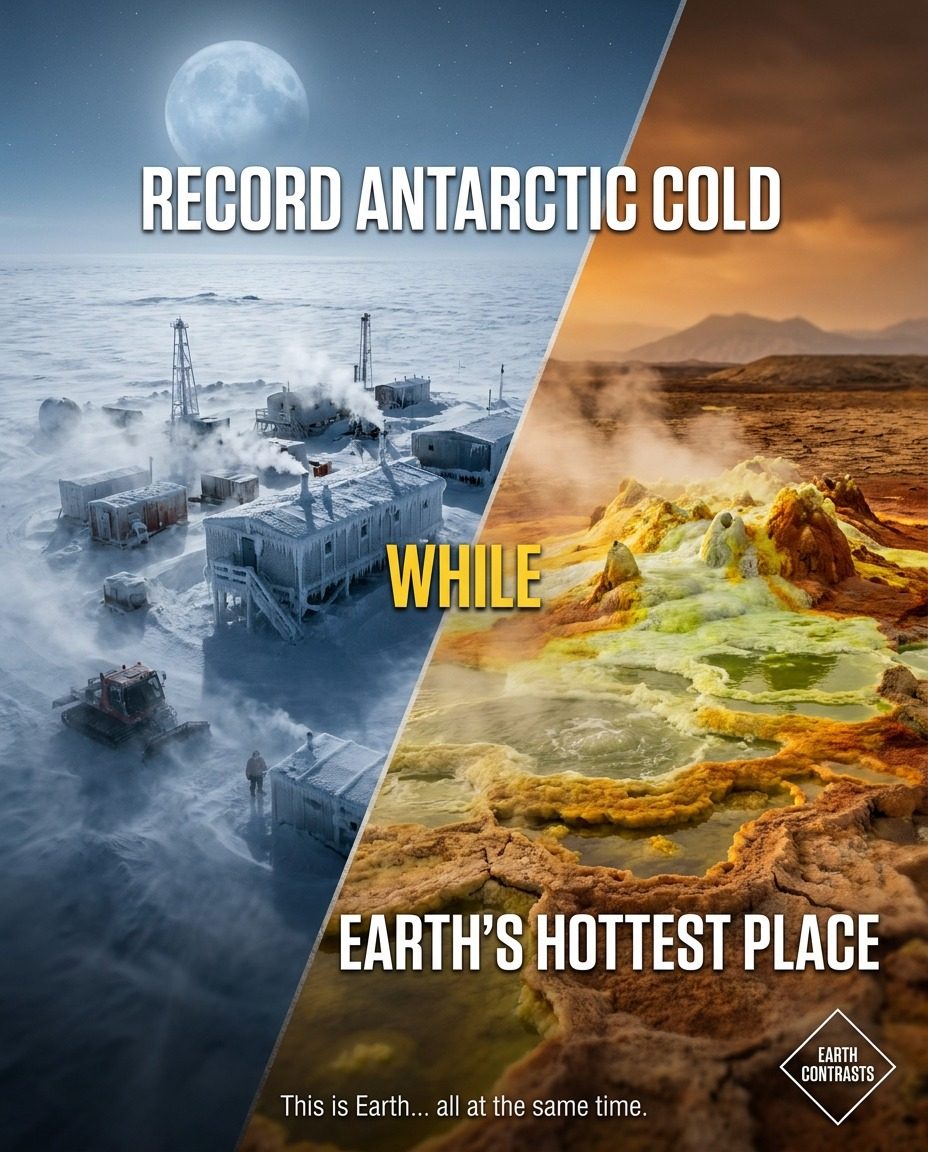
The Polar Opposites of Earth's Climate
Earth's extremes aren't just metaphorical; they're literal. The planet harbors the coldest and hottest environments imaginable. Antarctica, home to temperatures as low as -89°C, is a vast icy expanse. Simultaneously, far-off geothermic regions simmer at temperatures exceeding 50°C. This pairing of Arctic freeze and tropical heat happens on the same planet. This stark contrast isn't just a geographical curiosity. It drives global climate rhythms. For instance, Antarctica's icy winds influence weather patterns across the Southern Hemisphere, while hot volcanic regions can alter ocean currents and atmospheric circulation. As polar and tropical regions climate shifts, these contrasting environments can impact global climate patterns.
Nature's Thermoregulatory System
Antarctica plays a crucial role in regulating Earth's temperature. This mass of ice acts as Earth's thermostat, absorbing and redirecting solar energy. Earth’s hot regions, such as volcanic areas, work in tandem with Antarctica. The heat produced from these areas influences atmospheric conditions, driving weather patterns and temperature regulation. It helps to distribute heat more evenly across the planet’s surface. The interaction of these opposite poles maintains a delicate balance that sustains life. The interaction of these polar opposites is quite intricate. For instance, the cold ice of Antarctica helps reflect solar energy back into space. When temperatures rise, the melting ice exposes more land or ocean, which absorb more heat. This feedback system can accelerate global climate change. Conversely, the hotspots like volcanic regions add heat to the atmosphere, driving convective currents.
The Delicate Balance
Earth’s climate is a symphony where both extremes are essential. If Antarctica weren't an immense ice sheet, the planet might be much hotter. Conversely, without the heat from regions like volcanic areas, the Earth might experience prolonged periods of intense cold. The natural interplay of these extremes drives Earth’s complex climate system. This delicate balance is vital. The phenomenon of simultaneous extremes isn't just a testament to Earth’s diversity. It illustrates the intricate web of interactions that maintain habitable conditions. The various ecosystems and their interactions highlight a delicate equilibrium. They underscore the importance of preserving these extremes.
Watch the Reel
Related deep dives
Similar reads based on topic and creator.




Recent articles
Fresh deep dives from the latest Reels we unpacked.

Comments
Be the first to comment.