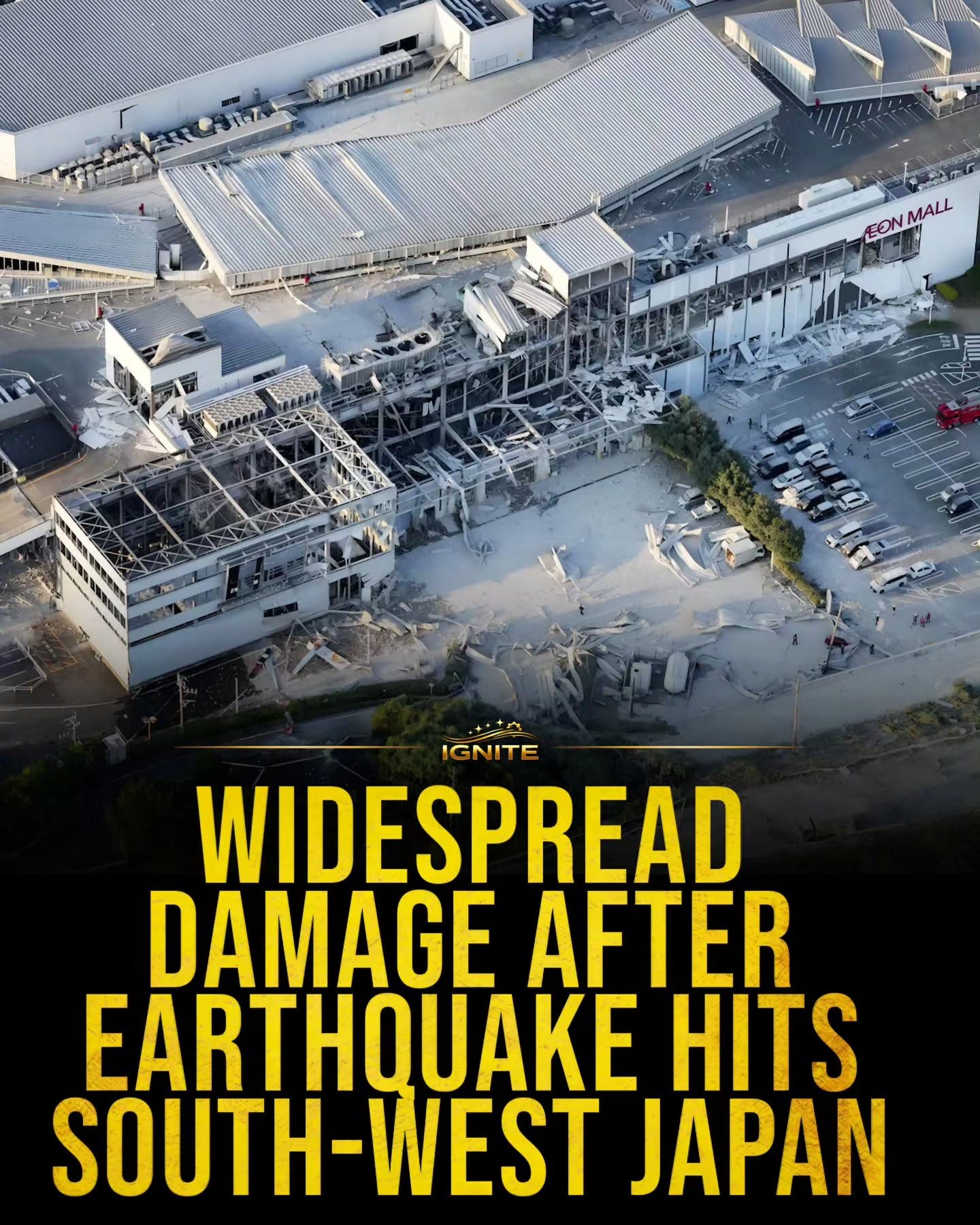
Earthquake Damage in Southwest Japan
Earthquakes are a constant threat in Japan, and the catastrophic impact of these seismic events is evident in the widespread damage seen in the aftermath. The recent earthquake in southwest Japan left a trail of destruction, with collapsed buildings, cracked roads, and scattered debris. The AEON MALL, a prominent landmark, was among the structures impacted, highlighting the severity of the damage.
Context
Japan's geographical location along the Pacific Ring of Fire makes it one of the most seismically active regions in the world. Earthquakes of varying magnitudes are frequent, and the country has developed advanced building codes and preparedness measures to mitigate the impact. However, the sheer force of a major earthquake can still cause significant damage, as seen in recent events.
Key Observations
Collapsed Buildings
The aerial footage reveals a grim scene of collapsed buildings scattered throughout the affected area. Modern construction techniques and strict building codes are designed to withstand seismic activity, but the sheer force of the earthquake can overwhelm even the most resilient structures. The collapse of these buildings underscores the destructive power of the earthquake and the challenges posed to rescue and recovery efforts.
Cracked Roads
Cracked and damaged roads are another visible sign of the earthquake's impact. Roads and infrastructure are crucial for transportation, access to essential services, and rescue operations. The damage to roads can severely impede these activities, making it difficult for emergency services to reach affected areas and for residents to evacuate safely.
Scattered Debris
Debris from the collapsed structures is scattered throughout the area, posing additional hazards. The debris can obstruct roads, damage vehicles, and endanger rescue operations. Cleanup efforts are essential to restore normalcy, but the extensive debris makes this a daunting task.
AEON MALL Damage
The AEON MALL, a popular shopping center, is visible in the background, showing signs of damage. Shopping malls are often central hubs for communities, providing essential services and retail options. The damage to such a landmark highlights the extensive impact of the earthquake on everyday life and commerce in the area. The mall's damage also suggests that even well-built, modern structures are not immune to the devastating effects of a powerful earthquake.
Practical Tips
In the aftermath of an earthquake, here are some practical tips to help you prepare and respond effectively:
Before an Earthquake
- Know Your Area: Understand the seismic risks in your area and the appropriate emergency procedures.
- Prepare an Emergency Kit: Include essentials like water, food, a first aid kit, a flashlight, and a portable radio.
- Secure Your Home: Bolster shelves, secure heavy furniture, and store hazardous materials properly to minimize risks.
During an Earthquake
- Stay Calm: Panic can lead to poor decisions. Stay calm and follow your emergency plan.
- Get Down, Cover, Hold: Drop to the ground, take cover under a sturdy table or desk, and hold on until the shaking stops.
- Avoid Windows and Doors: Stay away from windows, doors, and outside walls, which can shatter or fall during an earthquake.
After an Earthquake
- Check for Injuries: Assess yourself and others for injuries. Provide first aid as needed.
- Assess Damage: Inspect your home for damage and report any hazards to local authorities.
- Stay Informed: Use reliable sources for updates and follow the advice of local emergency services.
Important Takeaways
Seismic Preparedness
While Japan is well-prepared for earthquakes, the devastation in southwest Japan underscores the importance of continuous preparedness. Building codes, emergency plans, and community awareness are crucial in minimizing the impact of earthquakes.
Infrastructure Resilience
The damage to roads and buildings highlights the need for resilient infrastructure. Modern construction techniques and materials can help build structures that are more likely to withstand the force of an earthquake, reducing the risk of collapse and ensuring that essential services remain operational.
Community Support
In the aftermath of a disaster, community support is vital. The damage to key landmarks like the AEON MALL emphasizes the importance of community resilience. Local organizations, businesses, and residents must work together to rebuild and recover from the devastation.
Conclusion
The earthquake in southwest Japan serves as a stark reminder of the destructive power of natural disasters. The widespread damage to buildings, roads, and key landmarks like the AEON MALL highlights the importance of preparedness and resilience. By understanding the risks, preparing for the unexpected, and supporting our communities, we can mitigate the impact of earthquakes and build a more resilient future.
Watch the Reel
Questions readers ask
What are the most common types of damage caused by earthquakes in Japan?
Earthquakes in Japan often result in collapsed buildings, cracked roads, and widespread debris. Structures like the AEON MALL, despite advanced building codes, can still suffer significant damage. The aftermath typically includes scattered debris and extensive destruction, posing challenges to rescue and cleanup efforts.
How does Japan's location contribute to its frequent earthquakes?
Japan is situated along the Pacific Ring of Fire, a region known for its high seismic activity. This geographical location makes Japan one of the most earthquake-prone areas in the world, with frequent tremors and major earthquakes occurring regularly.
What are the challenges faced during rescue and recovery efforts in the aftermath of an earthquake in Japan?
Rescue and recovery efforts in Japan following an earthquake encounter several challenges, including widespread debris, collapsed buildings, and damaged infrastructure. Aerial footage often reveals the extent of the devastation, making it difficult for emergency responders to navigate and provide assistance.
How does Japan prepare for earthquakes, and why is there still significant damage?
Japan has implemented advanced building codes and preparedness measures to mitigate earthquake impact. Despite these efforts, the sheer force of a major earthquake can still cause significant damage, highlighting the ongoing challenges in earthquake preparedness and response.
What role does debris cleanup play in the recovery process after an earthquake in Japan?
Debris cleanup is a critical aspect of the recovery process in Japan after an earthquake. Scattered debris from collapsed buildings and damaged roads can hamper rescue efforts and disrupt essential services. Effective debris management is crucial for restoring normalcy and rebuilding affected areas.
How do aerial footage and images help in understanding the aftermath of an earthquake in Japan?
Aerial footage and images provide a comprehensive view of the earthquake devastation, showcasing the extent of damage to buildings, roads, and infrastructure. This visual documentation aids in assessing the impact, coordinating rescue operations, and planning recovery efforts effectively.
What specific measures can be taken to improve earthquake recovery efforts in Japan?
Improving earthquake recovery efforts in Japan involves enhancing rescue capabilities, better preparedness, and more efficient debris cleanup. By learning from past disasters, such as the recent earthquake in southwest Japan, and continuously updating protocols, Japan can better manage future seismic events and minimize their impact on people and infrastructure.
Recent articles
Fresh deep dives from the latest Reels we unpacked.




Comments
Be the first to comment.