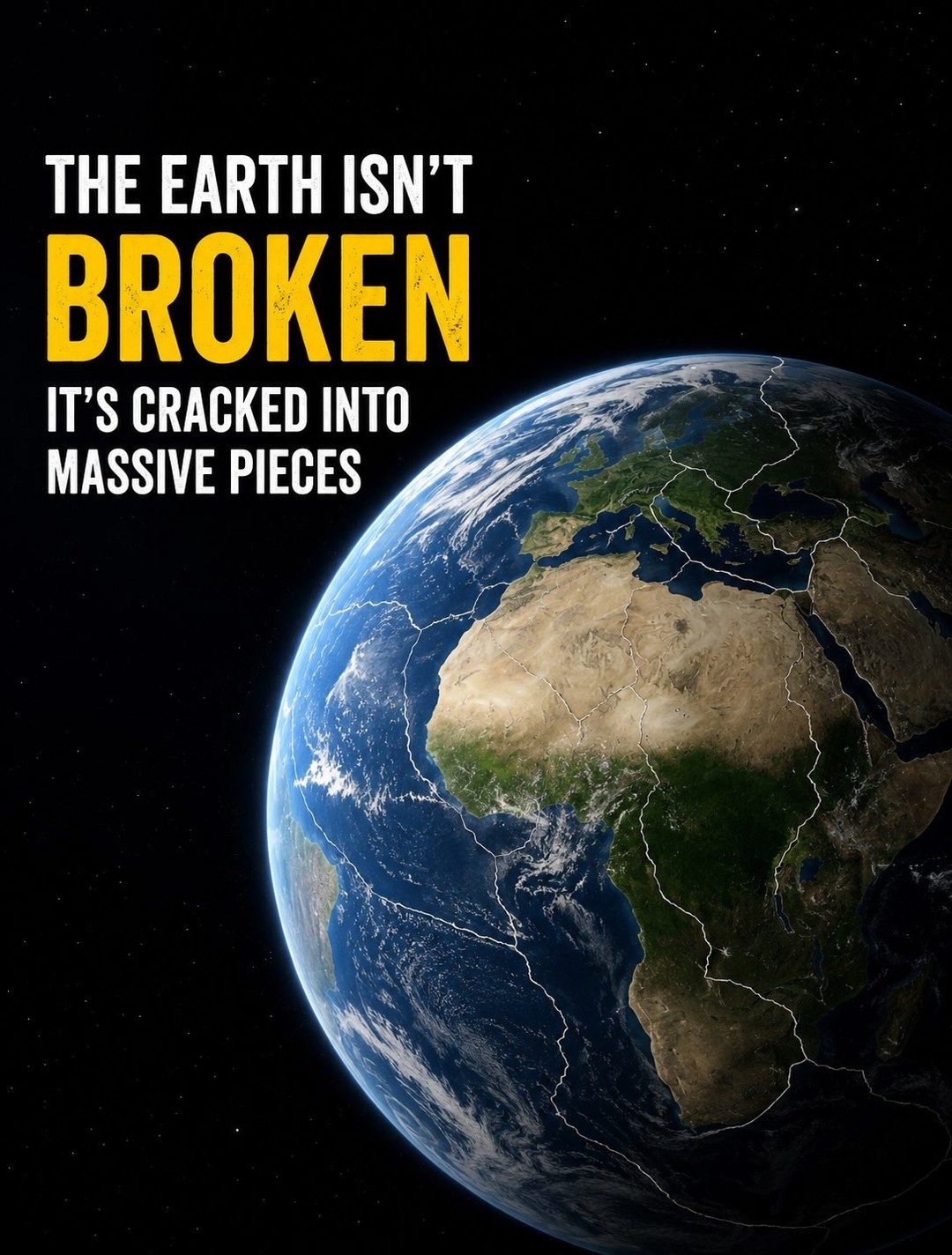
Hidden forces beneath our feet
Standing on the Earth's surface, everything feels solid and stable. However, geologists describe a different reality. According to their models, the Earth's crust is actually a collection of massive plates sliding, colliding, and pulling apart, though the movement most of the time is slow and grinding. This process is known as plate tectonics, the global pattern of tectonic plates. The Pacific Plate, for example, slides past the North American Plate. Contrary to what we expect to see, the movement of tectonic plates is a continuous process. The plates are constantly moving and interacting. The consequences include earthquakes and other geological events. As a result, earthquakes and other tectonic activities are the product of invisible movements that shape the Earth's surface. The plates are constantly moving and interacting with one another, and this movement is what shapes the Earth's surface and causes geological events. The boundaries where these plates interact are where most of the Earth’s geological activity occurs.
The birth of new ocean basins
The East African Rift System stands as a prime example of a specific type of tectonic activity – continental rifting. In this region, the African continent is slowly — over millions of years — splitting apart. This process is creating a new ocean basin. The East African Rift System is a region where the African continent is splitting apart, leading to the formation of a new ocean basin. This is caused by a movement of the tectonic plates. The Pacific Plate moves north, while the North America plate moves south, separating the ocean floor. The East African Rift Valley is a trench floored with lakes where the Earth's plates float and shift, splitting apart and pulling the edges of the continents.
Fashioning the Earth's features
Tectonic plates grinding, slipping, and ramming into one another influence the Earth's surface in very dramatic ways. Another example of the ongoing geological events is the Himalayan fault zone. The Indian and Asian plates collide here, gradually building a mountain range that continues to rise. The patterns of these movements are hidden in plain sight. If it were not for the awareness imparted by geologists, none of the movements would be visible. The mountains are building and rising higher over time. The Himalayas, which are still actively building new mountains, are one of the many consequences of the movement of tectonic plates. The movement of these plates causes earthquakes and other geological events, shaping the Earth's surface in profound ways. Most of these earthquakes are invisible. These movements and interactions drive patterns hidden in plain sight.
Earthquake epicenters
Many earthquakes occur without being directly observed by scientists. The movements of tectonic plates enable other geological activities, for example, most of the faults are invisible. The East African Rift. The Himalayas. The Indian and Asian plates collide. Why does it happen? Patterns hiding in plain sight. These plates are the foundation of the Earth's surface, and their movement shapes the planet in ways that are both visible and invisible. The San Andreas Fault is a major tectonic boundary in California where the Pacific Plate and the North American Plate meet. The movement along this fault causes earthquakes, and the movement of tectonic plates influences the positioning of earthquake fault and epicenters.
Watch the Reel
Related deep dives
Similar reads based on topic and creator.

Recent articles
Fresh deep dives from the latest Reels we unpacked.

Comments
Be the first to comment.