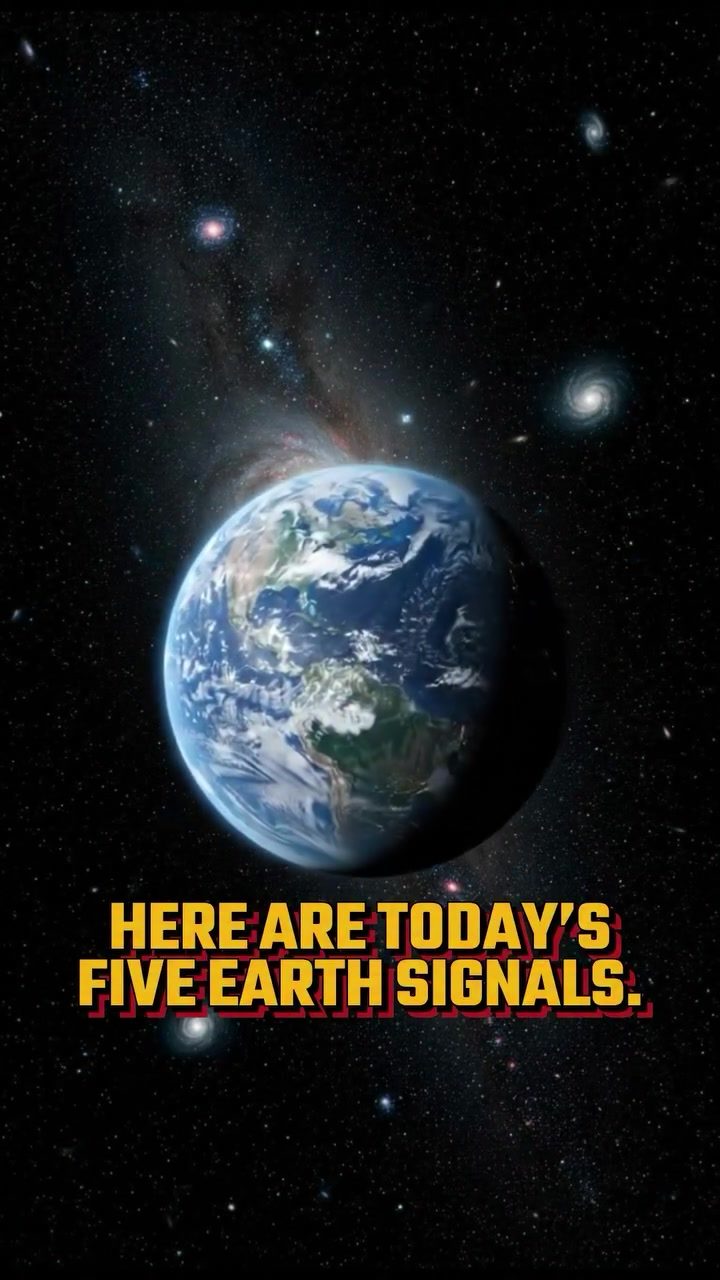
Geological Activity Across the Globe
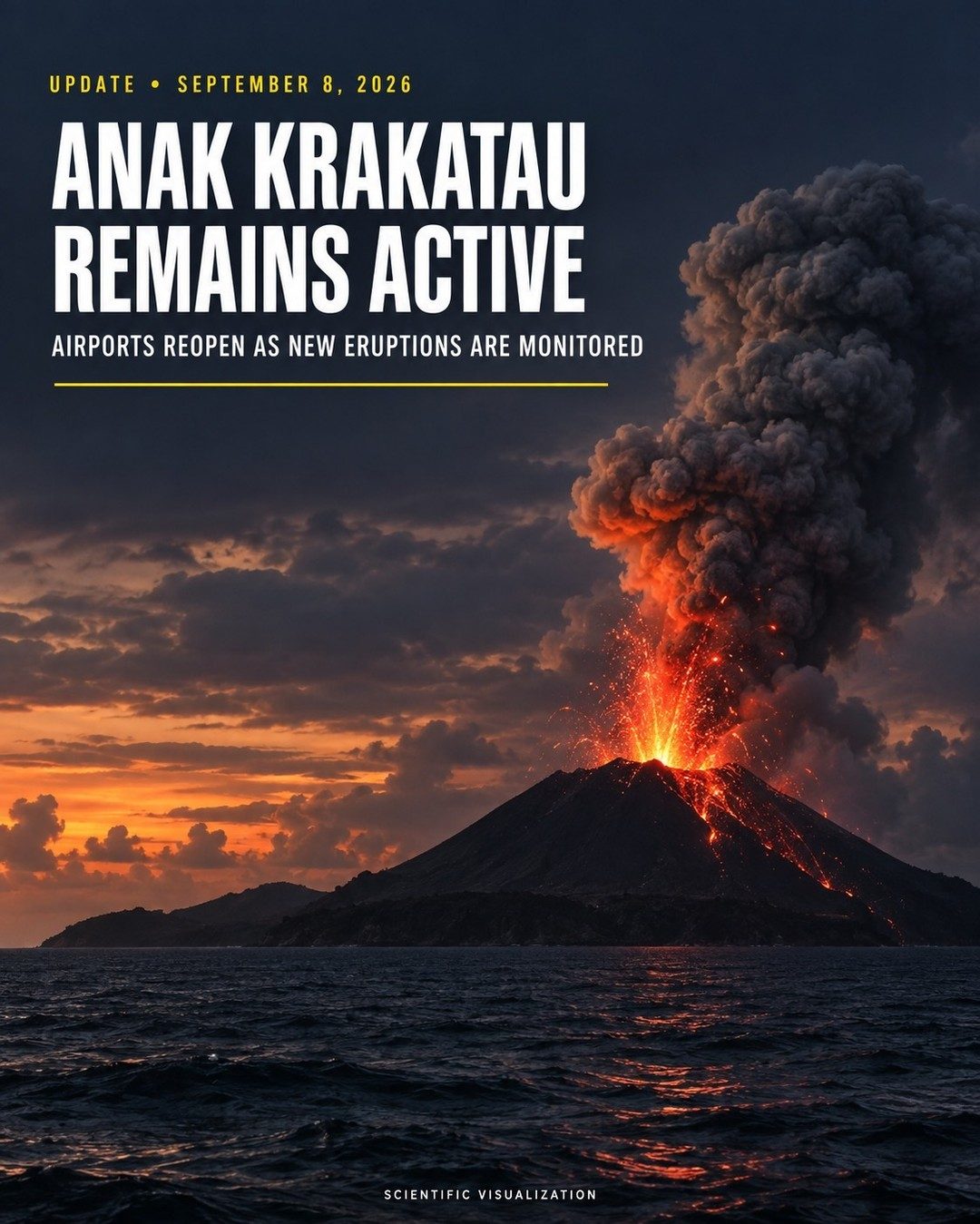
A magnitude 6.2 earthquake struck out in the Banda Sea, near Indonesia, recently — alongside a magnitude 6.6 earthquake near Java. Fortunately, there was no significant damage or tsunami threat. But while these may be individual instances of seismic activity. Tropical Storm Norbert continues to strengthen and churn in the Pacific. it is not an isolated incident. Across the planet, Earth's activity is interconnected. Indonesia currently has eruptions at four volcanoes: Anak Krakatau, Semeru, Ibu, and Ili Lewatolak. Ash from these eruptions briefly closed a regional airport. Even Hawaii's Kamala Wea is under an orange watch from volcanic activity. Earth's systems are dynamic, and these events underscore the extent of that dynamism. It's not about the isolated incidents of volcanic activity. What matters is that, “Different systems, same planet,” as the speaker notes. The planet's various geological activities are interconnected. The activity of one system can influence others. For example, volcanic eruptions can impact weather patterns and seismic activity. This isn't just a coincidence. In geological terms, this is the normal behavior of the planet. The Earth's geological system is characterized by a constant redistribution of heat. The plate tectonics theory describes the motion of the crustal plates. These plates interact at their boundaries, causing the upwelling of magma, or earthquakes when they slide past one another. The Earth is constantly adjusting, finding new equilibrium. The planet is a dynamic entity, not a static body. The planet's systems are interconnected and interdependent. The events are likely the natural outcome of the Earth's processes.
Volcanic Eruptions in Indonesia
The Indonesian archipelago's volcanic chain, part of the Pacific's Ring of Fire, is a continuous source of seismic instability. The volcanic activity in Indonesia is the result of the subduction of the Australian plate under the Eurasian plate. The two plates converge, and the heavier oceanic plate descends beneath the lighter continental plate. This process creates intense heat and pressure, which melts the crust and creates volcanoes. Which results in eruptions at the four volcanoes: Anak Krakatau, Sameru, Ibu, and Ili Lewatolak. It is evident that the Earth is far from a dormant entity. Earth's geological activity is a constant reminder of how our planet is built upon a foundation of continuous change. The activity of the planet is both fascinating and dangerous. Volcanic eruptions are one of the most destructive natural hazards. They can cause significant loss of life and destruction of property, as well as environmental degradation. Volcanic eruptions can also release large quantities of greenhouse gases, contributing to global warming.
Watch the Reel
Related deep dives
Similar reads based on topic and creator.
Recent articles
Fresh deep dives from the latest Reels we unpacked.
Comments
Be the first to comment.