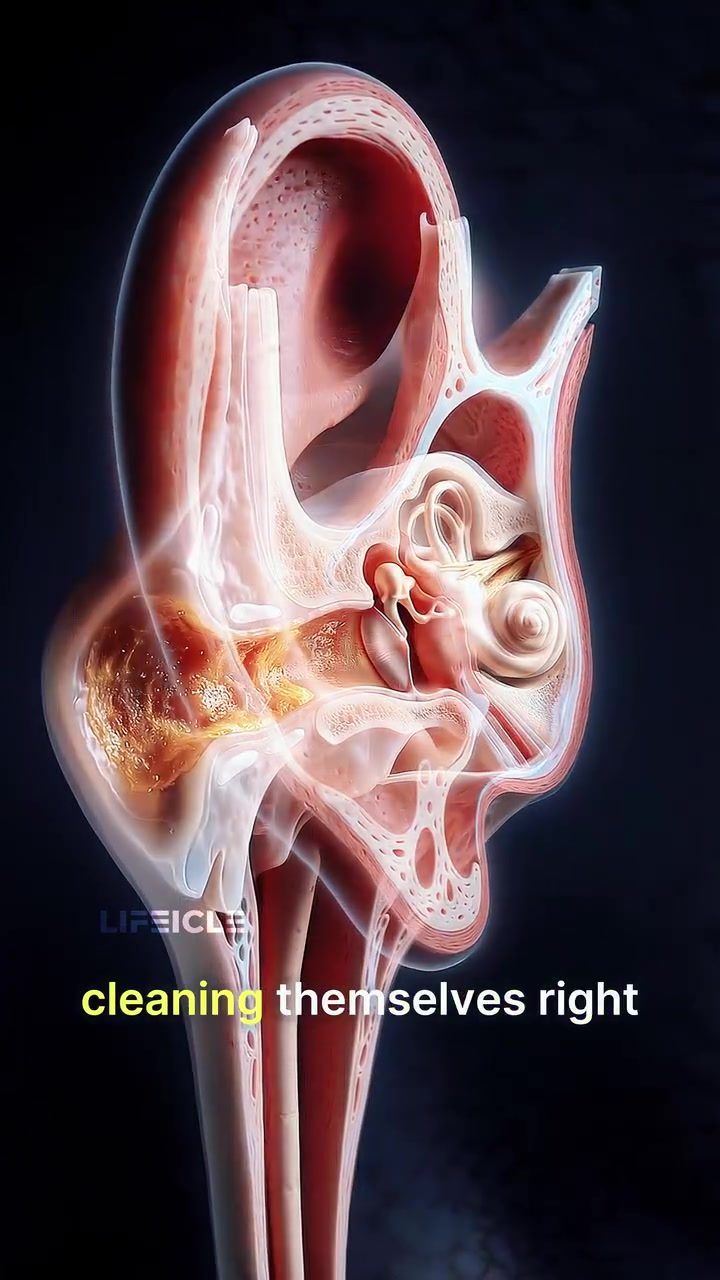
Your Ears Have a Built-In Cleaning System
Earwax is a natural and essential part of your body's defense mechanism, and yet most people attempt to remove it for cleanliness. The reality is that earwax has a crucial function and your ears have a built-in system to keep themselves clean. Understanding how this system works can make you appreciate the humble earwax and the mechanics of the ear canal in a whole new light.
Why This Matters
Earwax, also known as cerumen, is often misunderstood and misrepresented as dirt or a waste substance. In fact, it is a critical component of your ear's hygiene and health. Earwax production and the natural processes of the ear canal serve to protect your ears from potential damage and infection. Since most people are unaware of how this system operates, they might inadvertently interfere with its natural function, leading to issues like earwax impaction.
The Ear Canal's Self-Cleaning System
Deep within the ear canal lies one of the most sophisticated self-cleaning systems in the human body. This system works almost invisibly, continuously removing debris and protecting the eardrum.
Earwax as a Protective Barrier
Earwax is more than just an annoying substance that gets stuck in your ear. It serves as a protective barrier, trapping dust, bacteria, tiny insects, and other particles before they can reach the eardrum. This barrier is your body's first line of defense against external invaders, ensuring that harmful substances do not penetrate deeper into the ear.
The Conveyor Belt of the Ear Canal
The skin lining the ear canal is not just a passive barrier; it actively works to remove old earwax and trapped debris. This skin moves outward like a microscopic conveyor belt, carrying the earwax out of the ear. This process happens continuously, allowing your ear to clean itself efficiently. So, the yellow wax you see in your ears is not just a nuisance — it's evidence of an effective self-cleaning process.
The Problem with Cotton Swabs
One common misconception is that using cotton swabs can help clean the ears. However, this is a myth. Cotton swabs often push the earwax deeper into the ear canal instead of helping it to remove it naturally. This interference can lead to earwax impaction, a condition where the earwax becomes hard and blockages form within the ear canal. This makes the earwax harder to remove and can potentially damage the ear if not properly managed.
Earwax Impaction: Causes and Consequences
Most people at some point have experienced earwax impaction. This can be caused by excessive earwax production, overuse or improper use of cotton swabs, or inserting foreign objects into the ear. Earwax impaction can cause a variety of symptoms, including a feeling of fullness in the ear, itching, discomfort, and reduced hearing. In severe cases, it can lead to tinnitus, ear pain, and even temporary hearing loss.
Practical Tips for Ear Care
Given the natural cleaning capabilities of the ears, the best course of action is often to leave them alone.
Avoid Cotton Swabs
Using cotton swabs, ear buds, or other objects to remove earwax can do more harm than good. These items often push the earwax deeper into the ear canal, leading to impaction. Instead, consider softer methods of cleaning around the outer ear.
Consult a Healthcare Professional
If you suspect that you have earwax impaction or are experiencing discomfort, it is best to consult a healthcare professional. They can perform an ear examination and, if necessary, use professional tools to safely remove the impacted earwax. In some cases, they may recommend ear drops or other methods to soften the earwax and facilitate its natural removal.
Natural Remedies
Some natural remedies can help soften earwax, making it easier to remove.
Warm Water
Irrigation with warm water can help soften and remove earwax. This should be done carefully to avoid pushing the wax deeper into the ear.
Mineral Oil
A few drops of mineral oil or baby oil in the ear canal can help soften the earwax. Lie on your side and allow the oil to sit for a few minutes, then drain it out.
Hydrogen Peroxide
A few drops of hydrogen peroxide diluted with water can also help soften and remove earwax. Be sure to use a 3% solution and dilute it appropriately.
Olive Oil
Olive oil is another natural option for softening earwax. Simply warm a small amount in your hands, then apply a few drops to the affected ear.
Do Not Use Ear Candles
Ear candles are not an effective or safe method for removing earwax. They do not produce a vacuum effect and can cause burns, punctured eardrums, and ear canal blockages from candle wax.
Important Takeaways
Earwax is not just a waste substance; it plays a crucial role in protecting the ear. The ear canal's self-cleaning system is designed to remove earwax and trapped debris naturally. Understanding this process can help you appreciate the importance of earwax and avoid common mistakes that interfere with the ear's natural defenses. By leaving the ears alone and avoiding the use of cotton swabs, you can help maintain the health and function of your ears.
Conclusion
The truth is that you have a self-cleaning ear system. The earwax you see is part of this natural system and it should be left alone unless it causes discomfort or impaction. Understanding the purpose of earwax and how the ear canal works can help you take better care of your ears. Allowing the body to do its work naturally is often the best approach.
Watch the Reel
Questions readers ask
How does the ear's self-cleaning system work?
The ear's self-cleaning system relies on the natural movement of the jaw and the production of earwax. Chewing and talking help to move earwax from the eardrum to the outer ear, where it can be gently cleaned away with a cloth. This process helps to keep the ear canal clear of debris and maintain ear health.
What are the benefits of earwax for ear health?
Earwax, or cerumen, serves multiple purposes. It traps dust, dirt, and other harmful particles, preventing them from reaching the eardrum. Additionally, it has antibacterial and antifungal properties, which help to protect the ear from infections. Earwax also keeps the ear canal lubricated, preventing dryness and itching.
Why should I avoid using cotton swabs to clean my ears?
Cotton swabs can push earwax further into the ear canal, potentially causing blockages or damage to the eardrum. They can also disrupt the natural cleaning process of the ears. It's best to let the ear's self-cleaning system work naturally and only clean the outer ear with a cloth.
How can I safely clean my ears at home?
To safely clean your ears at home, avoid using cotton swabs. Instead, use a damp cloth to gently wipe the outer ear. If you have excessive earwax, consider using ear drops specifically designed to soften earwax, which can then be removed naturally through the self-cleaning process. If you experience pain or discomfort, consult a healthcare professional.
What are the signs of excessive earwax buildup?
Signs of excessive earwax buildup include earache, itching, a feeling of fullness in the ear, ringing in the ear, or temporary hearing loss. If you experience any of these symptoms, it's important to consult a healthcare professional for proper removal and to ensure that your ears remain healthy.
Can earwax be harmful if not removed?
Earwax is generally helpful, but in some cases, it can cause issues if it accumulates excessively. The ear's self-cleaning system typically prevents this, however, if it doesn't, earwax can lead to blockages, discomfort, and even hearing loss. In such cases, it's important to seek medical advice for safe removal.
How does chewing and talking help in the natural ear cleaning process?
Chewing and talking cause the jaw to move, which in turn helps to shift earwax from the eardrum towards the outer ear. This movement is a key part of the ear's self-cleaning process, gradually moving earwax and any trapped particles out of the ear canal where they can be cleaned away with a cloth.
Related deep dives
Similar reads based on topic and creator.




Recent articles
Fresh deep dives from the latest Reels we unpacked.




Comments
Be the first to comment.