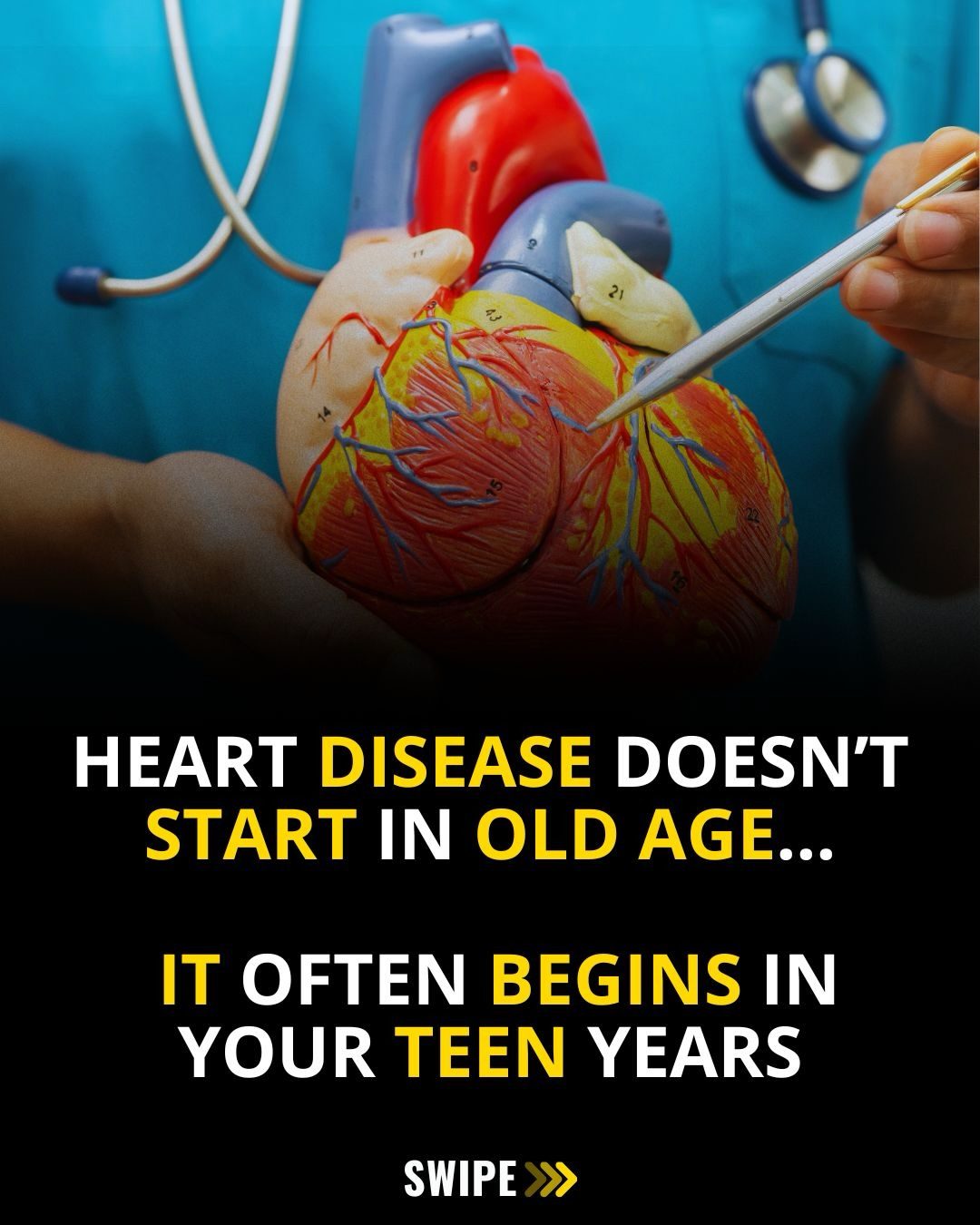
Heart disease is often considered an ailment of old age, but recent scientific findings reveal a more alarming truth: the onset of heart disease can begin much earlier in life, even during the teenage years. This information is crucial for understanding the importance of early lifestyle interventions and the long-term impact of daily habits on cardiovascular health.
Why This Matters
The early onset of heart disease is a significant concern because it underscores the importance of preventive measures from a young age. Daily habits such as smoking, excessive alcohol consumption, poor diet, and high blood pressure can accumulate over time, leading to significant cardiovascular issues later in life.
The Early Signs
One of the key indicators of early cardiovascular changes is pulse wave velocity (PWV). This measurement assesses the stiffness of arteries. A higher PWV indicates less elastic blood vessels, which in turn increases the risk of cardiovascular disease. Surprisingly, these changes have been detected in individuals as young as 17. This early detection highlights the importance of monitoring cardiovascular health from a young age.
The Impact of Lifestyle Choices
Lifestyle choices play a pivotal role in shaping cardiovascular health. Smoking and heavy drinking can shorten life expectancy by about 12 years. However, the good news is that the body responds quickly to positive changes. Quitting smoking in your 30s or 40s can recover up to 80% of the years lost. This underscores the importance of early intervention and the body's ability to heal and adapt to healthier habits.
The Role of Arterial Health
Arterial health is a critical component of overall cardiovascular wellness. The elasticity of blood vessels is a key factor in maintaining good cardiovascular health. Over time, habits like smoking, poor diet, and high blood pressure can cause arteries to lose their elasticity, increasing the risk of cardiovascular diseases. This is where lifestyle interventions become crucial.
Main Discussion
Understanding Pulse Wave Velocity
Pulse wave velocity (PWV) is a non-invasive method used to measure arterial stiffness. It provides valuable insights into the health of blood vessels and the risk of cardiovascular disease. Higher PWV values indicate stiffer arteries, which are less able to accommodate blood flow, leading to increased pressure and potential damage to the heart and blood vessels.
How PWV is Measured
PWV is typically measured using specialized equipment that records the time it takes for a pulse wave to travel from the heart to a peripheral artery, such as the carotid or femoral artery. The distance between these points is divided by the time taken to calculate the PWV. This measurement can be an early indicator of vascular health and the risk of future cardiovascular issues.
The Science Behind Arterial Stiffness
Arterial stiffness is a result of the accumulation of factors like cholesterol deposits, inflammation, and the breakdown of elastin and collagen in the artery walls. Over time, these factors make the arteries less flexible and more prone to damage. This stiffness can lead to hypertension, increased strain on the heart, and a higher risk of heart attacks and strokes.
Early Intervention and Prevention
Given the early detection of cardiovascular changes, it's clear that preventive measures should start early in life. Here are some key strategies to maintain arterial health:
Quit Smoking
Smoking is one of the most significant risk factors for cardiovascular disease. It damages the lining of blood vessels, leading to inflammation and the narrowing of arteries. Quitting smoking can dramatically reduce the risk of heart disease and improve overall cardiovascular health.
Limit Alcohol Consumption
Excessive alcohol consumption can lead to high blood pressure, heart failure, and stroke. Limiting alcohol intake can help maintain healthy blood vessels and reduce the risk of cardiovascular disease.
Maintain a Healthy Diet
A diet rich in fruits, vegetables, whole grains, and lean proteins can help maintain arterial health. Foods high in fiber, antioxidants, and healthy fats can reduce inflammation, lower cholesterol levels, and improve blood vessel function.
Regular Exercise
Regular physical activity helps maintain a healthy weight, lowers blood pressure, and improves cholesterol levels. Aim for at least 30 minutes of moderate exercise most days of the week to keep your heart and blood vessels in good shape.
Monitor Blood Pressure
High blood pressure is a significant risk factor for heart disease. Regular check-ups and lifestyle changes can help manage and control blood pressure, reducing the risk of cardiovascular issues.
Practical Tips
Daily Habits for Arterial Health
- Avoid Smoking and Limit Alcohol: These habits can significantly impair vascular health. Quitting smoking and limiting alcohol consumption can improve your chances of maintaining healthy arteries.
- Adopt a Heart-Healthy Diet: Incorporate foods rich in fiber, antioxidants, and healthy fats. Reduce intake of processed foods, sugars, and saturated fats.
- Stay Active: Regular physical activity is essential for maintaining cardiovascular health. Aim for a mix of aerobic and strength training exercises.
- Manage Stress: Chronic stress can negatively impact heart health. Practice stress-reducing activities like yoga, meditation, or deep breathing exercises.
- Monitor Blood Pressure and Cholesterol: Regular check-ups can help you stay on top of your cardiovascular health. Work with your healthcare provider to manage any risk factors.
Lifestyle Changes for Long-Term Benefits
Long-term lifestyle changes are essential for maintaining cardiovascular health. Small, consistent changes can have a significant impact over time. Focus on gradual improvements rather than drastic, unsustainable changes.
Important Takeaways
The Importance of Early Intervention
Early intervention is key to preventing heart disease. By addressing risk factors and adopting healthy habits from a young age, individuals can significantly reduce their risk of cardiovascular issues later in life.
The Role of Daily Habits
Daily habits have a cumulative effect on cardiovascular health. Choosing healthier options consistently over time can improve arterial health and reduce the risk of heart disease.
The Impact of Positive Changes
Even if you have already developed unhealthy habits, making positive changes can still have a significant impact. Quitting smoking and adopting a healthier lifestyle can recover many of the years lost to poor health choices.
Conclusion
Heart disease is not just a concern for older adults; it can start as early as the teenage years. Understanding the impact of daily habits on vascular health and taking proactive measures can significantly improve cardiovascular outcomes. By adopting a heart-healthy lifestyle and staying vigilant about vascular health, individuals can protect their arteries and ensure a longer, healthier life.
Watch the Reel
Questions readers ask
What are some early indicators of heart disease?
Early indicators of heart disease can include changes in pulse, increases in blood pressure, and other subtle signs. These changes may begin to appear during the teenage years, making early detection and intervention crucial for long-term heart health.
How do early habits affect long-term heart health?
Early habits such as smoking, poor diet, and excessive alcohol consumption can accumulate and have a significant impact on cardiovascular health over time. These habits may lead to the onset of heart disease as early as the teenage years, making early intervention vital for prevention.
Why is it important to focus on heart health in teens?
Teens are particularly susceptible to the development of heart disease. Heart health habits and lifestyle choices made during adolescence can have a profound impact on their cardiovascular health as adults.
How can I help my teenager maintain a healthy heart?
Encourage your teenager to adopt heart-healthy habits such as regular exercise, a balanced diet, and avoiding smoking and excessive alcohol. Regular check-ups to monitor blood pressure and other vital signs are also essential.
What are the key heart disease risk factors to watch out for in teens?
Key heart disease risk factors to watch out for in teens include high blood pressure, high cholesterol, obesity, and a family history of heart disease. Early detection and management of these risk factors can significantly reduce the likelihood of developing heart disease later in life.
What are some heart health tips for teens?
Heart health tips for teens include maintaining a balanced diet, engaging in regular physical activity, avoiding smoking and excessive alcohol, and managing stress. Regular check-ups with a healthcare provider can also help monitor and manage any potential risk factors.
What role does blood pressure control play in heart disease prevention for teens?
Blood pressure control is crucial for heart disease prevention in teens. High blood pressure can damage the arteries and increase the risk of heart disease. Regular monitoring and management of blood pressure can help mitigate this risk.
Recent articles
Fresh deep dives from the latest Reels we unpacked.




Comments
Be the first to comment.