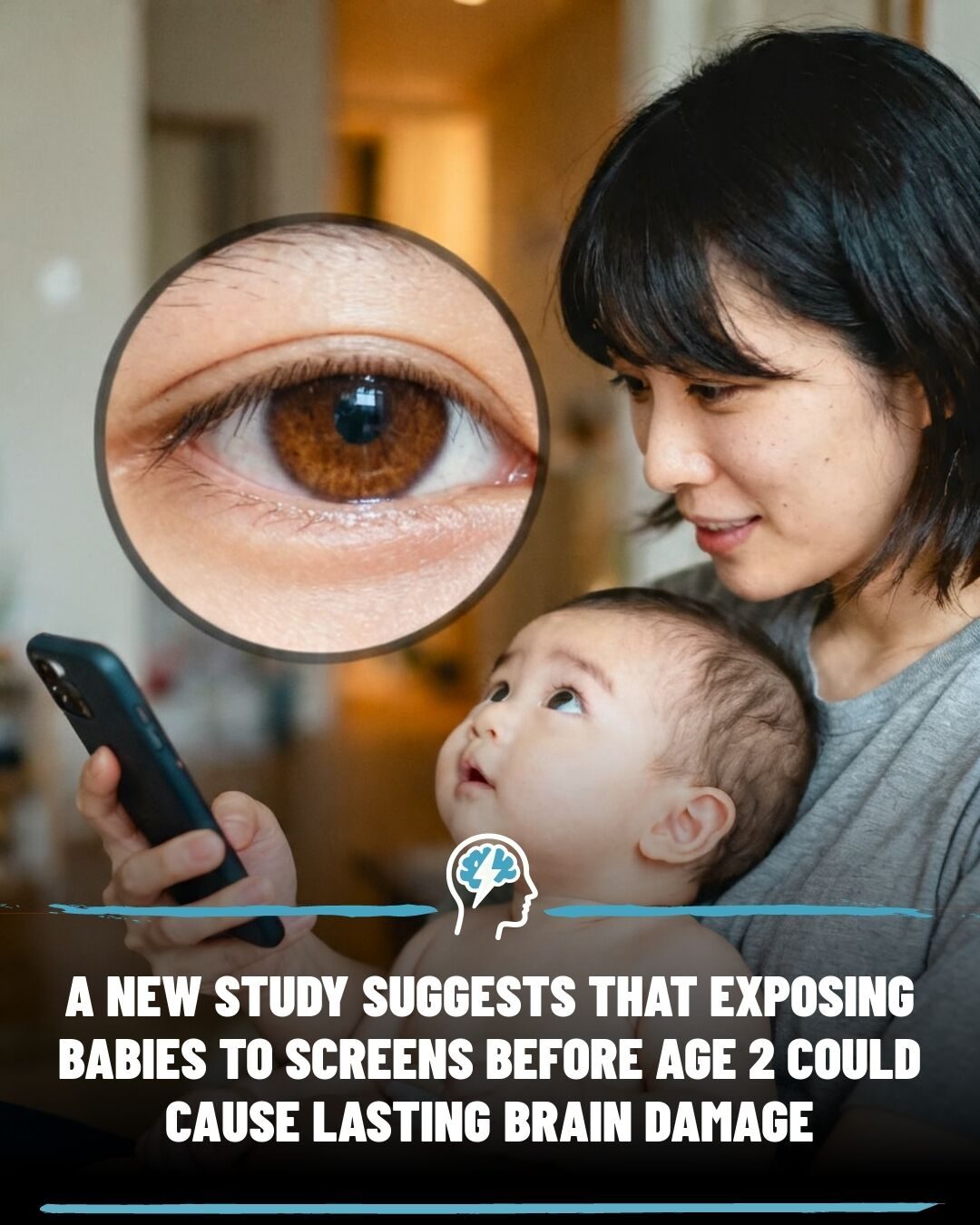
Screen Time and Babies
Smartphones and other screens are ubiquitous in modern life, but what about the impact of screen time on the youngest members of society? A recent study has shed light on how excessive screen exposure before the age of two can shape a child's brain development, with effects that may last well into their teenage years.
Why This Matters
Understanding the effects of screen time on infants and toddlers is crucial for parents, caregivers, and anyone involved in early childhood development. The findings from this study provide insights into the potential long-term impacts of high screen exposure, emphasizing the importance of mindful use of technology around young children.
Main Discussion
Brain Development in Infancy
During the first two years of life, a baby's brain is in a critical phase of development. It is rapidly building neural connections that support essential functions like language, attention, and emotional regulation. High levels of passive screen time can interfere with this process. When babies are exposed to excessive screen time, the visual processing areas of their brains become overstimulated. Conversely, the auditory cortex, which is crucial for language and social skills, receives less input. This imbalance can lead to premature specialization of the brain, limiting the flexible thinking skills that children need as they grow older.
Long-Term Impacts
The study found that high screen exposure in infancy was linked to slower decision-making skills by age 8 and increased anxiety symptoms by age 13. These findings underscore the profound and lasting effects that early screen use can have on a child's cognitive and emotional development. The changes in brain development associated with high screen time can have far-reaching consequences, affecting a child's ability to navigate social situations, make decisions, and manage stress.
The Importance of Real-World Interactions
What babies need most during this critical window are real-world interactions. Talking, making eye contact, playing, and physical exploration naturally strengthen neural pathways. These activities provide the sensory and social input that young brains need to develop properly. Screens, while entertaining, can replace these essential experiences, potentially leading to suboptimal brain development.
Interactive Experiences as a Counterbalance
The study also offers encouraging news: parent-child reading at age 3 substantially weakened the link between infant screen time and altered brain development. Interactive, enriched experiences appear to help counteract some of the effects of high screen exposure. This suggests that even if screen time has been part of a child's early life, engaging in quality interactions and activities can mitigate some of the negative impacts.
Practical Tips
Minimizing Screen Time for Young Children
Nearly all major pediatric organizations recommend zero screen time for children under 2, with exceptions for video chatting. For ages 2 to 5, they suggest limiting screens to one hour of quality content daily. These guidelines are based on extensive research and aim to protect the developing brains of young children from the potential harms of excessive screen exposure.
Engaging in Meaningful Interactions
Instead of relying on screens for entertainment, consider engaging in activities that promote neurodevelopment. Reading together, playing on the floor, and simply talking to your baby can make a meaningful difference in their cognitive and emotional growth. Small, consistent moments of connection can have a significant impact on a child's development.
Creating a Balanced Environment
It's important to create a balanced environment for young children. While screens can be a part of modern life, they should not replace real-world interactions. Encourage activities that involve physical play, social engagement, and language development. This balanced approach can support healthy brain development and mitigate the potential negative effects of screen time.
Important Takeaways
Screen time before age 2 can have lasting effects on a child's brain development, potentially impacting their cognitive and emotional well-being into adolescence. High levels of passive screen time can lead to premature specialization of the brain, affecting areas critical for language, social skills, and flexible thinking. Real-world interactions, such as talking, playing, and reading, are essential for healthy brain development. Engaging in interactive, enriched experiences can help counteract some of the effects of high screen exposure. Following guidelines from major pediatric organizations and creating a balanced environment can support the healthy development of young children.
Conclusion
The findings from this study underscore the importance of mindful screen use around young children. While screens are a part of modern life, it is crucial to understand their potential impacts on brain development. By prioritizing real-world interactions and quality time, parents and caregivers can support the healthy growth and development of young children. The takeaway is not guilt but empowerment: small, consistent moments of connection and enrichment can make a meaningful difference in a child's life.
Watch the Reel
Questions readers ask
What are the key brain development stages for babies under 2 years old?
The first two years of life are crucial for brain development in babies. During this period, the brain is rapidly growing and forming neural connections that will shape a child's ability to process information, communicate, and interact with the world. Early experiences, including screen exposure, can significantly influence these developmental processes.
How does screen time affect language development in babies?
Excessive screen time can hinder a baby's language development. Babies learn language through interaction and engagement with caregivers. When they are exposed to screens for long periods, they miss out on these essential interactions, which can delay language acquisition and affect their ability to communicate effectively.
What impact does screen exposure have on a toddler's emotional regulation?
Toddlers who are exposed to excessive screen time may struggle with emotional regulation. Screens can overstimulate young minds, making it difficult for them to manage and express their emotions appropriately. This can lead to behavioural issues and difficulties in social interactions as they grow older.
Can screen time before age 2 affect a child's attention span?
Yes, excessive screen time before the age of 2 can have lasting effects on a child's attention span. Young children need to develop the ability to focus on tasks and filter out distractions. Too much screen exposure can disrupt this process, leading to difficulties in concentrating and maintaining attention in later stages of life.
What are the potential long-term effects of excessive baby screen exposure?
Excessive screen exposure in babies can have long-term effects that may persist into their teenage years. These effects can include challenges in language development, emotional regulation, and attention span, which can impact their social interactions, decision-making abilities, and overall well-being.
What can parents do to minimize the impact of screen time on their babies?
Parents can minimize the impact of screen time by setting boundaries and encouraging alternative activities. Engage in interactive play, read books, and spend quality time with your baby. The American Academy of Pediatrics recommends avoiding digital media use (except video-chatting) in children younger than 18 months. For children 18 to 24 months, introduce digital media with adult guidance.
Related deep dives
Similar reads based on topic and creator.



Recent articles
Fresh deep dives from the latest Reels we unpacked.




Comments
Be the first to comment.