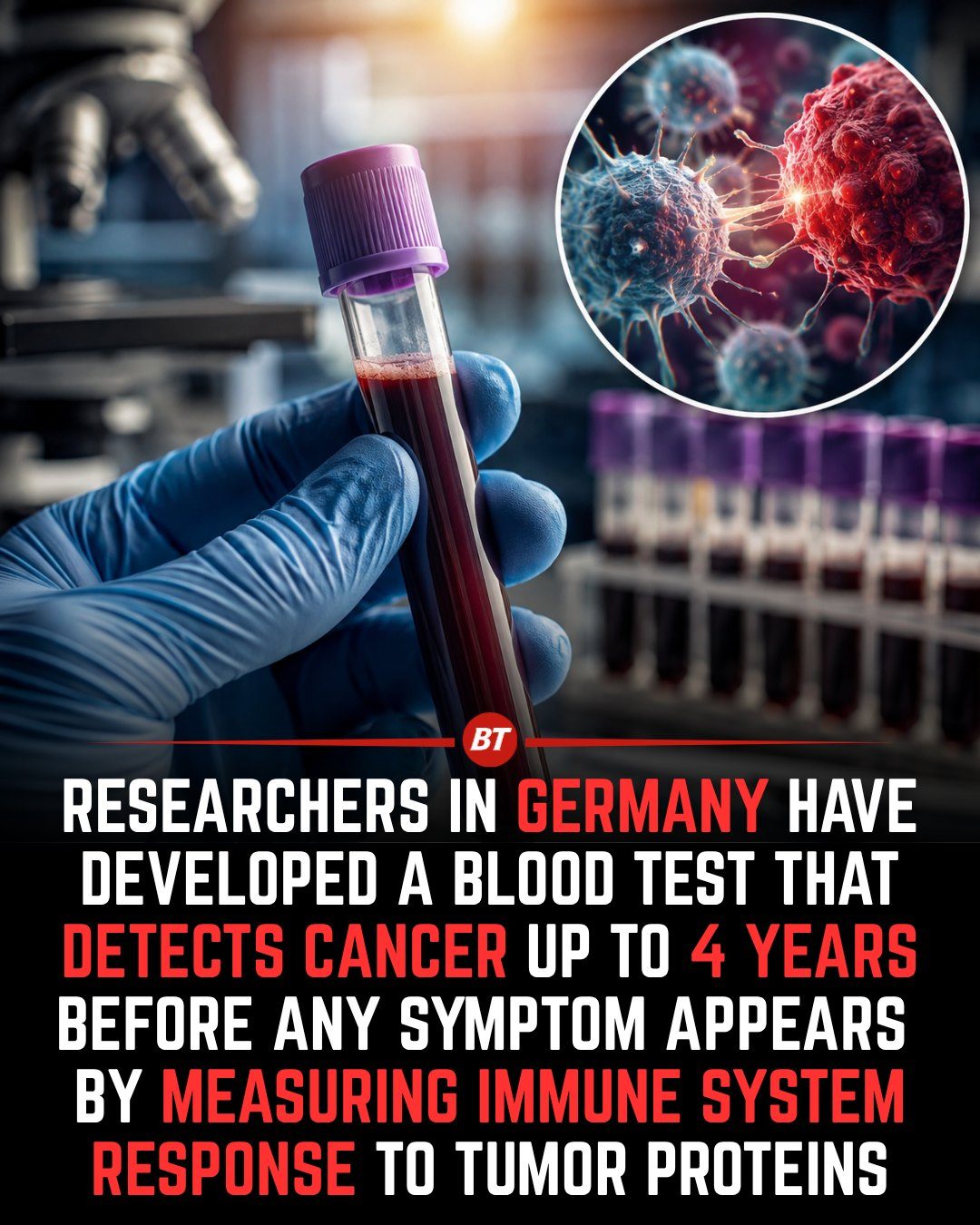
Cancer Detection Blood Test
The development of a blood test for cancer detection, especially when it comes to identifying the disease up to four years before symptoms appear, marks an important advancement in medical technology. Researchers worldwide are dedicated to developing next-generation blood tests that can detect subtle biological changes indicative of cancer.
Context / Why this matters
Cancer is a leading cause of death globally, and early detection remains one of the most significant factors in improving patient outcomes. Traditional screening methods, such as mammograms and colonoscopies, have been effective but often rely on detecting tumors after they have grown large enough to be visible. Blood tests, on the other hand, offer a non-invasive and convenient way to detect cancer at its earliest stages, potentially allowing for more effective treatments and better survival rates.
Main discussion
What is the new blood test and how does it work?
Researchers in Germany have developed a blood test capable of detecting cancer up to four years before symptoms appear. This test measures the immune system's response to tumor proteins, which can be detected in the blood. The immune system reacts to certain proteins released by developing tumors, creating a unique signature that can be analyzed.
The science behind the test
The key to this new blood test lies in detecting the body's natural response to cancer. Specifically, researchers measure the immune system's reaction to specific proteins released by tumor cells. These proteins, known as tumor antigens, trigger an immune response that can be detected in the blood. By identifying these immune signatures, the test can provide an early indication of cancerous activity.
Advancements in blood-based cancer screening
Blood-based screening methods are rapidly evolving. Researchers are focusing on several key areas to enhance the accuracy and reliability of these tests:
- Tumor-derived proteins: These proteins, released by cancer cells, can be detected in the blood and analyzed for specific patterns.
- Circulating tumor DNA: Small fragments of DNA released by tumor cells can be detected in the bloodstream, providing insight into the genetic makeup of the tumor.
- Immune system responses: By analyzing how the immune system reacts to tumor proteins, researchers can identify early signs of cancer.
Promise of liquid biopsies
Liquid biopsies are a type of blood test that involves analyzing various biological components in the blood for cancer-related changes. These tests are particularly promising due to their non-invasive nature and ability to detect early-stage cancers. They offer a convenient alternative to traditional screening methods, which often require invasive procedures.
Practical tips
If you are considering or curious about undergoing a blood test for cancer detection, here are some practical tips to keep in mind:
- Consult with your healthcare provider: Understand that while these new tests show great promise, most are still in the experimental phase and are not yet widely available.
- Do not skip recommended screenings: Traditional screening methods such as mammograms and colonoscopies remain crucial for early detection and should not be replaced by blood tests.
- Stay informed about advancements: Keep up with the latest research and developments in liquid biopsies and other blood-based screening technologies.
Important takeaways
Early detection is crucial for improving cancer treatment outcomes. Blood tests that can detect cancer up to four years before symptoms appear offer a promising approach to early diagnosis.
Blood-based screening methods, including liquid biopsies, are being actively studied and developed. These tests hold the potential to complement existing screening methods by providing a non-invasive and convenient way to detect early-stage cancers.
While these advancements are exciting, it is essential to remember that most blood-based cancer detection tests are still in the experimental phase. They are not yet widely available or recommended to replace traditional screening methods such as mammograms, colonoscopies, or CT scans.
Conclusion
The development of a blood test for early cancer detection represents a significant step forward in preventive medicine. By detecting subtle biological changes in the blood, researchers are paving the way for earlier diagnoses and better treatment outcomes. While more research is needed to fully realize the potential of these tests, the promise they hold is undeniable. As technology advances, blood-based screening methods may one day transform how we approach cancer detection and prevention, ultimately saving lives through earlier diagnosis and treatment.
Watch the Reel
Questions readers ask
How does the blood test detect cancer up to four years before symptoms manifest?
The blood test identifies cancer by analyzing the immune system's response to specific tumor proteins. This allows for detection much earlier than traditional screening methods, which often rely on visible tumor growth. The test is particularly beneficial as it can identify changes in the body up to four years before symptoms arise.
What makes a blood test a beneficial alternative for cancer screening?
Blood tests for cancer screening are advantageous because they are non-invasive, convenient, and easy to administer. Unlike traditional screening methods, they do not require specialized equipment or procedures, making them more accessible and less stressful for patients. Regular blood tests can also help monitor a patient’s health over time, providing ongoing insights into their condition.
Are there any ongoing efforts to improve cancer detection through blood tests in Germany?
Yes, Germany is a hub of cancer research. Currently, researchers in Germany are actively developing next-generation blood tests that aim to detect cancer even earlier by identifying biological changes indicative of cancer. These advancements are part of a global effort to enhance early detection methods and improve patient outcomes.
Can this blood test identify all types of cancer?
While the blood test is a significant advancement, it is not yet capable of detecting all types of cancer. The test has shown promise in identifying certain cancer proteins, but its effectiveness can vary based on the type and stage of the cancer. Ongoing research aims to expand the range of cancer types it can detect.
What are the implications of detecting cancer years before symptoms appear?
Detecting cancer years before symptoms appear allows for earlier intervention, which can significantly improve treatment outcomes and patient survival rates. Early detection can lead to more effective treatment options, potentially reducing the need for aggressive therapies and improving the patient’s quality of life. This can also alleviate the emotional and financial burden on individuals and their families.
What are the next steps after a positive result on the blood test for early cancer detection?
If the blood test indicates the presence of cancer, further diagnostic tests, such as imaging scans or biopsies, will likely be recommended to confirm the diagnosis and determine the stage and type of cancer. Early detection means more time for a thorough evaluation and for patients to consult with specialists to develop a personalized treatment plan.
Can the blood test be used as an alternative to other cancer screening methods?
The blood test is a promising addition to existing cancer screening methods, but it is not necessarily a replacement for all current methods. Traditional screening methods like mammograms and colonoscopies are still crucial for identifying certain cancers. The blood test can complement these methods, providing a more comprehensive approach to cancer screening and improving the chances of early detection.
Related deep dives
Similar reads based on topic and creator.




Recent articles
Fresh deep dives from the latest Reels we unpacked.




Comments
Be the first to comment.