Electric Rickshaw Security Concerns
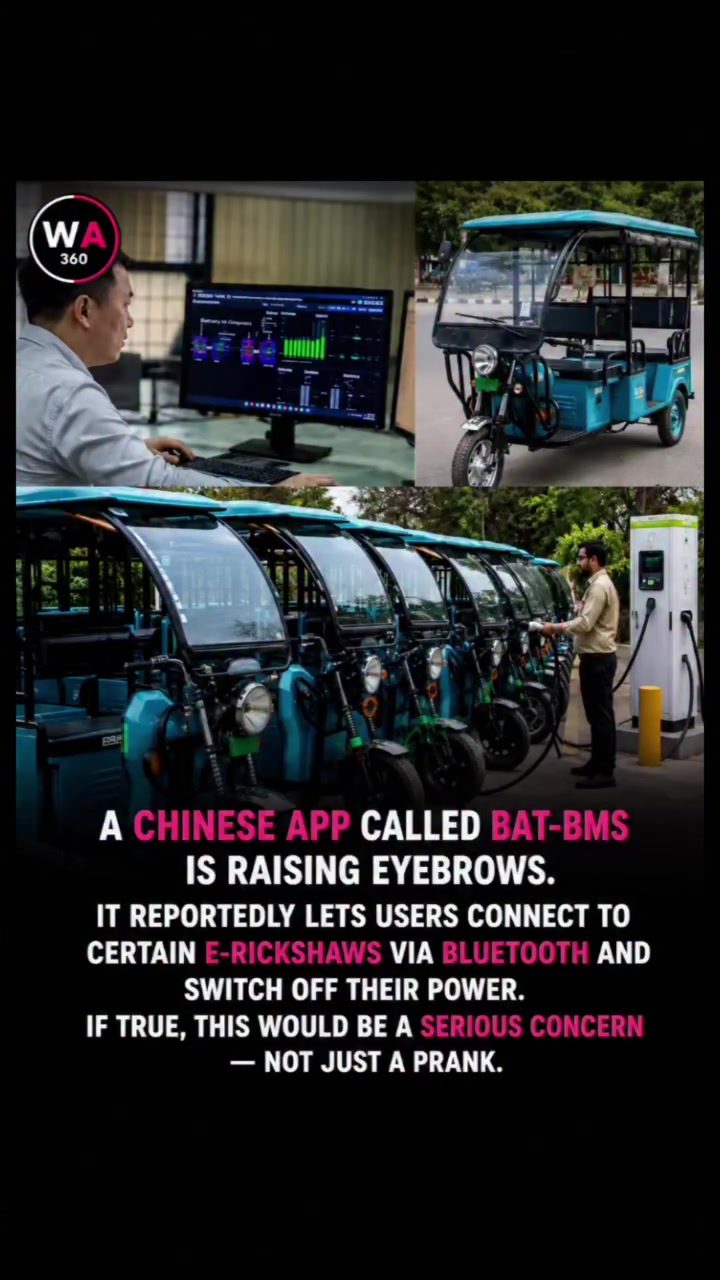
Electric rickshaws (e-rickshaws) are becoming a staple in urban transportation, offering an eco-friendly and cost-effective alternative to conventional vehicles. However, recent claims about a Chinese app called BAT-BMS have raised significant security concerns. The app is reportedly able to connect to certain e-rickshaws via Bluetooth and potentially switch off their power, sparking discussions about cybersecurity, rider safety, and the security of connected electric vehicles.
Why This Matters
The implications of these claims extend far beyond a simple prank. If verified, the ability to remotely disable e-rickshaws could put drivers and passengers at risk, especially in high-traffic urban areas. As e-rickshaws become more integrated into daily transportation, ensuring their safety and security is paramount. This issue highlights the need for stronger digital safeguards in the design and operation of connected electric vehicles.
Cybersecurity in transportation is not just about protecting data; it's about safeguarding lives. As more vehicles become connected, the potential for misuse increases. Manufacturers, software developers, and regulators must work together to establish robust security measures that can withstand evolving threats.
Main Discussion
The BAT-BMS App
The BAT-BMS app is at the center of these security concerns. According to reports, the app can connect to certain e-rickshaws via Bluetooth, allowing users to remotely switch off the vehicles' power. This capability, if true, raises serious questions about the security protocols in place for connected electric vehicles.
Bluetooth connectivity is a common feature in many modern vehicles, used for everything from hands-free calling to firmware updates. While convenient, it also presents a potential entry point for malicious actors. The BAT-BMS app's reported capabilities underscore the need for stringent security measures in Bluetooth-connected systems.
Potential Risks
The potential risks of such an app are multifaceted. The most immediate concern is rider safety. If an e-rickshaw's power can be switched off remotely, it could lead to accidents, especially in busy urban environments. Beyond safety, there are concerns about data security and privacy. Connected vehicles often collect and transmit sensitive data, and any breach could have far-reaching consequences.
Moreover, the ability to disable vehicles remotely could be exploited for malicious purposes, such as causing traffic disruptions or even holding vehicles for ransom. This highlights the need for comprehensive security protocols that can detect and prevent unauthorized access.
The Broader Context
These concerns are not isolated to e-rickshaws. As connected vehicles become more prevalent, similar issues could arise with other types of electric vehicles, including cars, buses, and even autonomous vehicles. The BAT-BMS incident serves as a wake-up call for the industry to prioritize cybersecurity in all connected vehicles.
Regulatory and Industry Response
In response to these concerns, manufacturers, software developers, and regulators must take proactive steps to enhance the security of connected electric vehicles. This includes implementing robust encryption and authentication protocols, as well as regular security audits and updates. Regulators should also consider establishing standards and guidelines for cybersecurity in connected vehicles.
Additionally, collaboration between industry stakeholders is crucial. Sharing best practices, conducting joint research, and developing industry-wide standards can help create a more secure ecosystem for connected electric vehicles.
Practical Tips
For Manufacturers and Developers
- Implement Strong Encryption: Use advanced encryption methods to protect data transmitted between the vehicle and external devices.
- Regular Security Audits: Conduct regular security audits and penetration testing to identify and fix vulnerabilities.
- Update Protocols: Ensure that security protocols are up-to-date and can withstand evolving threats.
- User Authentication: Implement robust user authentication methods to prevent unauthorized access.
For Regulators
- Establish Standards: Develop and enforce standards for cybersecurity in connected electric vehicles.
- Encourage Collaboration: Foster collaboration between industry stakeholders to share best practices and develop industry-wide standards.
- Monitor and Enforce: Regularly monitor the compliance of manufacturers and developers with established standards and enforce penalties for non-compliance.
For Consumers
- Stay Informed: Keep updated on the latest security features and protocols offered by manufacturers.
- Regular Updates: Ensure that your vehicle's software is regularly updated to the latest version.
- Verify Sources: Always verify information from trusted sources before making decisions about your vehicle.
Important Takeaways
- Security is Paramount: As connected electric vehicles become more prevalent, ensuring their security is crucial. The BAT-BMS incident highlights the potential risks and the need for robust security measures.
- Proactive Measures: Manufacturers, developers, and regulators must take proactive steps to enhance the security of connected vehicles. This includes implementing strong encryption, conducting regular security audits, and establishing industry-wide standards.
- Informed Decisions: Consumers should stay informed about the latest security features and protocols, and always verify information from trusted sources.
Conclusion
The alleged capabilities of the BAT-BMS app serve as a stark reminder of the potential security risks in connected electric vehicles. As e-rickshaws and other connected vehicles become an integral part of urban transportation, it is imperative to prioritize cybersecurity. By implementing robust security measures, fostering collaboration, and staying informed, we can build a secure and reliable electric mobility ecosystem. Innovation should drive transportation forward, but it must also ensure safety and security for all.
Watch the Reel
Questions readers ask
What is the BAT-BMS app and how does it pose a threat to e-rickshaw cybersecurity?
The BAT-BMS app is a Chinese application that can connect to certain e-rickshaws via Bluetooth and potentially turn off their power. This capability raises significant cybersecurity concerns as it could be used to disrupt transportation services, and potentially put drivers and passengers at risk in high-traffic urban areas.
How can e-rickshaws be targeted for remote shutdowns?
E-Rickshaws can be targeted for remote shutdowns through apps like BAT-BMS, which exploit Bluetooth connectivity. Once connected, these apps can send commands to the e-rickshaw's systems, potentially disabling their power and leaving drivers and passengers in potentially dangerous situations.
What are the potential safety risks for drivers and passengers due to e-rickshaw hacking?
The potential safety risks include sudden power loss, which could cause accidents, especially in high-traffic urban areas. This could lead to injuries or other hazards, making it crucial to address these security vulnerabilities.
How can drivers and passengers protect themselves from e-rickshaw cybersecurity threats?
While there are no foolproof methods, drivers and passengers can take steps such as ensuring their e-rickshaw's software is up-to-date, being cautious about connecting to unknown Bluetooth devices, and reporting any suspicious activity to the manufacturer or local authorities.
What measures can manufacturers take to enhance e-rickshaw cybersecurity?
Manufacturers can implement robust cybersecurity protocols, such as encrypted communication channels, secure boot processes, and regular software updates to protect against unauthorized access and remote control. Additionally, they can conduct regular security audits and penetrations tests.
What are the implications of e-rickshaw hacking on urban transportation systems?
E-rickshaw hacking can disrupt urban transportation systems, leading to traffic congestion, delays, and potential safety hazards. This could cause economic losses and inconvenience to commuters, highlighting the need for stringent cybersecurity measures.
Are there any initiatives to address the cybersecurity threats in electric vehicles?
While specific initiatives may vary by region, governments and industry stakeholders are increasingly recognizing the importance of connected vehicle security. This includes developing standards and regulations, conducting research, and promoting best practices to protect against cyber threats in electric vehicles.
Related deep dives
Similar reads based on topic and creator.


Recent articles
Fresh deep dives from the latest Reels we unpacked.




Comments
Be the first to comment.