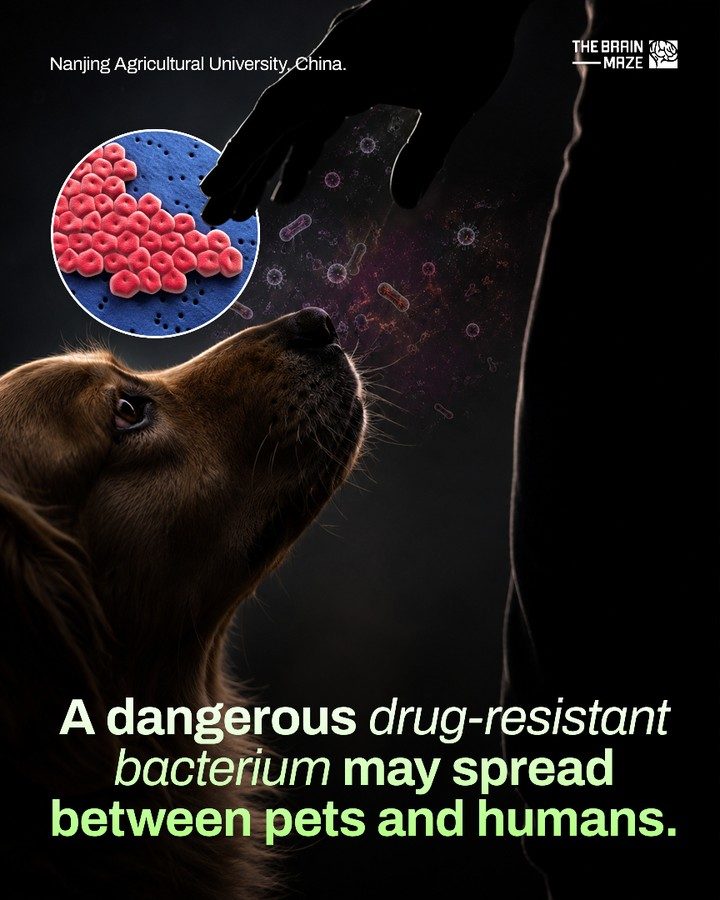
Drug-Resistant Bacteria and the Risk of Transmission Between Pets and Humans
Acinetobacter baumannii is a dangerous superbug that has gained attention due to its drug-resistant nature. Recent findings suggest that this bacterium may spread between pets and humans, raising concerns about public health and the potential risks of close contact with animals.
Why This Matters
Understanding the potential for drug-resistant bacteria to spread between pets and humans is crucial for several reasons. Firstly, it highlights the importance of vigilant hygiene practices, especially for those who are in close contact with animals. Secondly, it underscores the need for further research to determine the frequency and mechanisms of this transmission. Lastly, it emphasizes the role of veterinarians and healthcare providers in monitoring and preventing the spread of such bacteria.
The Emergence of Acinetobacter Baumannii
Acinetobacter baumannii is a type of bacteria known for its ability to resist multiple antibiotics. This makes it particularly challenging to treat, especially in healthcare settings where patients may already be vulnerable. The bacterium is often found in hospitals and can cause severe infections, including pneumonia, bloodstream infections, and wound infections.
The Discovery of Transmission Between Pets and Humans
Research conducted by Nanjing Agricultural University, Wuhu Institute of Technology, and Nanjing University of Chinese Medicine in China has revealed that Acinetobacter baumannii strains found in cats, dogs, and horses are nearly identical to those found in hospital patients. This suggests that there is a potential for these bacteria to be transmitted between pets and humans through close contact.
In the study, scientists analyzed bacterial samples from various animals and compared them to samples from hospital patients. The findings indicate that the bacteria from pets and humans share similar genetic characteristics, implying that transmission is possible. This discovery is significant because it highlights the need for increased awareness and precautionary measures to prevent the spread of these drug-resistant bacteria.
Main Discussion
Understanding the Mechanism of Transmission
The exact mechanisms by which Acinetobacter baumannii can spread between pets and humans are not fully understood. However, it is believed that close contact, such as petting, kissing, or sharing living spaces, could facilitate the transfer of bacteria. Additionally, shared environments, such as veterinary clinics or homes where both humans and pets reside, may also play a role in transmission.
The Role of Hygiene and Prevention
Given the potential for transmission, it is essential to adopt stringent hygiene practices to minimize the risk. This includes:
- Hand Hygiene: Regularly washing hands with soap and water, especially after handling pets or visiting veterinary clinics.
- Surface Cleaning: Cleaning and disinfecting surfaces that pets frequently come into contact with, such as bedding, toys, and feeding areas.
- Veterinary Care: Regular veterinary check-ups and vaccinations for pets to ensure their overall health and reduce the risk of bacterial infections.
The Importance of Veterinary Surveillance
Veterinarians play a crucial role in monitoring and preventing the spread of drug-resistant bacteria. They can help by:
- Identifying Infections: Early detection and treatment of bacterial infections in pets.
- Education and Awareness: Educating pet owners about the importance of hygiene and the risks associated with drug-resistant bacteria.
- Collaboration with Healthcare Providers: Sharing information with human healthcare providers to ensure a coordinated approach to preventing the spread of these bacteria.
Research and Future Directions
While the initial findings suggest a potential for transmission, more research is needed to fully understand the extent and frequency of this phenomenon. Ongoing studies can help answer questions such as:
- Frequency of Transmission: How often does Acinetobacter baumannii actually spread between pets and humans?
- Risk Factors: What specific factors or behaviors increase the risk of transmission?
- Epidemiological Patterns: Are there specific groups or environments where the risk is higher?
Public Health Implications
The potential for drug-resistant bacteria to spread between pets and humans has significant public health implications. It underscores the need for a One Health approach, which recognizes the interconnectedness of human, animal, and environmental health. By addressing the problem from a holistic perspective, we can better protect public health and reduce the spread of dangerous pathogens.
Practical Tips
For Pet Owners
- Maintain Good Hygiene: Wash your hands thoroughly after interacting with pets, especially before eating or touching your face.
- Regular Veterinary Visits: Ensure your pets receive regular check-ups and vaccinations to keep them healthy.
- Clean Living Spaces: Keep your home clean, especially areas where your pets spend time.
For Healthcare Providers
- Educate Patients: Inform patients about the potential risks of drug-resistant bacteria and the importance of hygiene.
- Collaborate with Veterans: Work closely with veterinarians to share information and best practices for preventing the spread of bacteria.
- Monitor High-Risk Patients: Pay extra attention to patients who are in close contact with animals, especially those with compromised immune systems.
For Researchers
- Conduct Further Studies: Continue researching the transmission mechanisms and frequency to better understand the problem.
- Develop Prevention Strategies: Use the findings to develop effective prevention and control strategies.
- Promote Awareness: Share your research with the public and healthcare providers to raise awareness and encourage vigilance.
Important Takeaways
- Close Contact Risk: Close contact with pets, especially those who may carry drug-resistant bacteria, can increase the risk of transmission.
- Hygiene Matters: Maintaining good hygiene practices is essential for preventing the spread of bacteria.
- Research Needed: Further research is required to fully understand the scope and mechanisms of transmission.
- One Health Approach: Addressing the issue from a One Health perspective can help in effectively managing and preventing the spread of drug-resistant bacteria.
Conclusion
The potential for drug-resistant bacteria, such as Acinetobacter baumannii, to spread between pets and humans is a concerning issue that requires attention. By understanding the risks, adopting preventive measures, and conducting further research, we can better protect public health and reduce the transmission of these dangerous pathogens. Vigilance and collaboration between healthcare providers, veterinarians, and the public are key to addressing this challenge effectively.
Watch the Reel
Questions readers ask
How does Acinetobacter baumannii spread between pets and humans?
Acinetobacter baumannii can spread through close contact with infected pets. This includes petting, handling, or caring for animals that carry the bacteria. The bacteria can be transferred through direct contact with the animal or contaminated surfaces.
What precautions should I take to prevent the spread of drug-resistant bacteria between my pets and my family?
Maintaining good hygiene is key. Regularly wash your hands with soap and water after handling pets, especially if they have been outside or are sick. Keep pets clean and consider using gloves when handling their waste.
Can drug-resistant bacteria from pets make humans sick?
Yes, drug-resistant bacteria from pets can potentially make humans sick, especially those with weakened immune systems. Symptoms can vary, but they may include skin infections, urinary tract infections, or pneumonia, depending on the type of bacteria.
What role do healthcare providers play in monitoring superbug transmission from pets to humans?
Healthcare providers should ask patients about their contact with pets, especially when diagnosing infections that are difficult to treat. They can also advise on preventive measures and monitor trends in drug-resistant infections that may be linked to pet ownership.
Are there specific regions where the risk of drug-resistant bacteria from pets is higher, like China?
Studies, such as those from Nanjing University, have shown that drug-resistant bacteria are a global concern, but regional prevalence can vary. In China, certain strains of bacteria may have specific resistance patterns, but the risk is not limited to any single region.
Related deep dives
Similar reads based on topic and creator.

Recent articles
Fresh deep dives from the latest Reels we unpacked.




Comments
Be the first to comment.