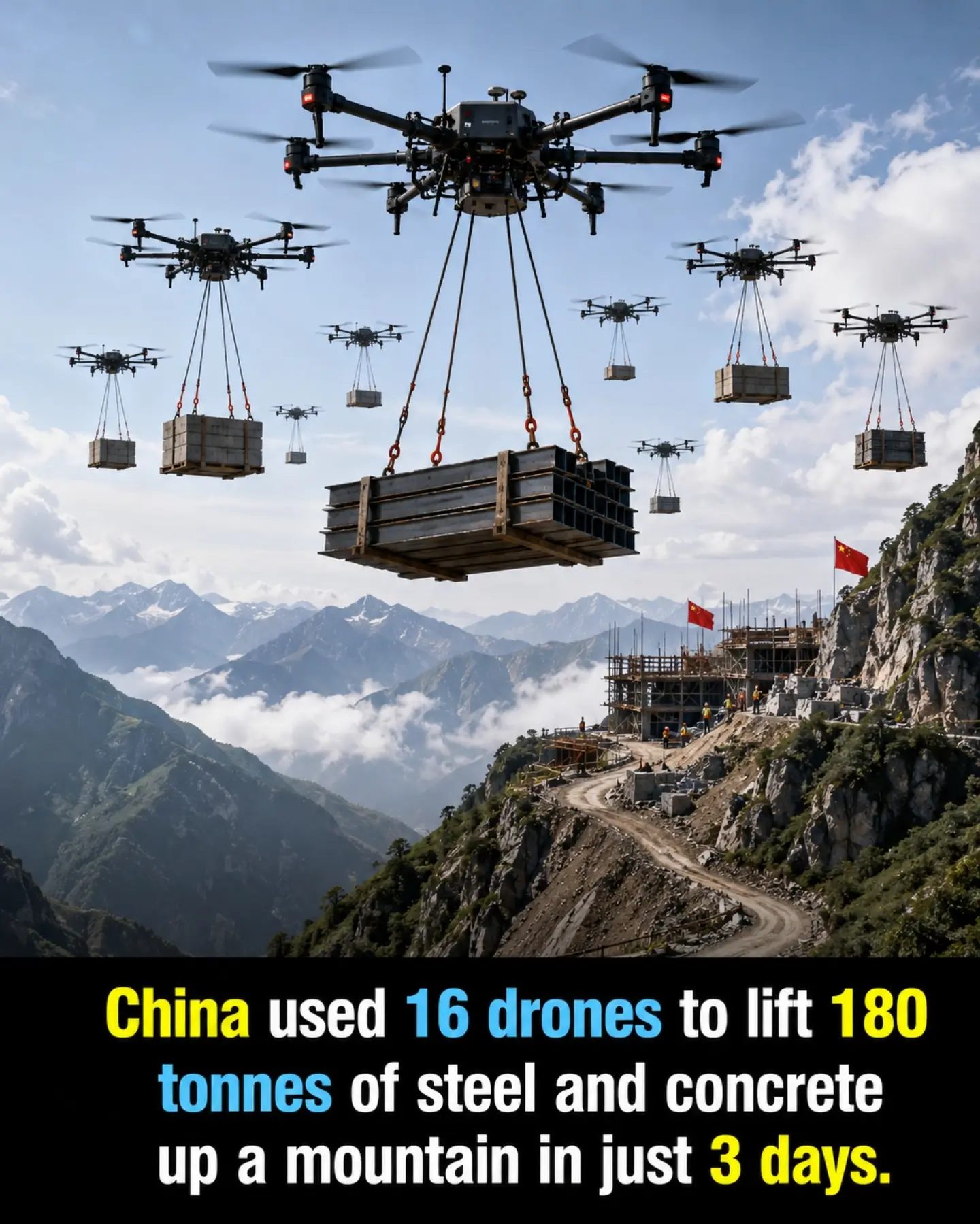
Drones in Construction: Revolutionizing Mountainous Projects
Drones are rapidly transforming the construction industry, particularly in challenging terrains like mountains. In a recent project in China, drones demonstrated their power and efficiency by lifting heavy materials up a mountainous region.
Why this matters
Traditional construction in mountainous areas is fraught with challenges, including difficult terrain, steep slopes, and logistical hurdles. Drones offer a novel solution by providing an efficient, cost-effective, and safe method for transporting materials to otherwise inaccessible areas. The ability to lift heavy loads quickly and precisely can accelerate project timelines and reduce the risk to human workers.
The drones' capabilities
Material Handling
The drones used in this project showcased an impressive ability to lift and transport heavy materials. Sixteen drones were employed to lift a total of 180 tonnes of steel and concrete. This is a remarkable feat, especially considering the challenging terrain and the need for precision in placement.
Speed and Efficiency
One of the standout features of this project was its completion time. The entire operation was finished in just three days. This speed is a testament to the efficiency of drone technology in construction, making it a game-changer for tight project deadlines.
Precision and Safety
Drones offer unmatched precision in material handling, which is crucial in mountainous construction. The ability to navigate steep inclines and narrow paths with accuracy ensures that materials are placed exactly where needed, minimizing waste and reducing the need for manual adjustments.
Practical tips for using drones in construction
Site Assessment
Before deploying drones, conduct a thorough site assessment to identify potential obstacles and hazards. This includes mapping out the terrain, identifying safe landing zones, and understanding the weather patterns.
Training and Certification
Ensure that all operators are properly trained and certified. Familiarize them with the specific models of drones being used, as well as safety protocols and emergency procedures.
Regulatory Compliance
Understand and adhere to local regulations regarding drone usage. This includes obtaining necessary permits and ensuring that the drones are operated within the legal parameters set by aviation authorities.
Maintenance and Safety
Regular maintenance of drones is crucial to ensure their reliability and safety. Keep a stock of spare parts and conduct routine inspections to prevent malfunctions during operations.
Important Takeaways
Innovative Applications
Drones are not just for aerial photography or surveillance; they have innovative applications in the construction industry. Their ability to lift and transport heavy materials in hard-to-reach areas makes them invaluable in mountainous projects.
Efficiency and Speed
The use of drones can significantly reduce project timelines. The ability to lift 180 tonnes of material in just three days demonstrates the speed and efficiency that drones bring to construction projects.
Safety and Precision
Drones enhance safety by minimizing the need for human workers to handle hazardous tasks. They also offer precision in material placement, reducing waste and errors.
Conclusion
Drones are revolutionizing the construction industry, particularly in challenging terrains. The project in China showcased the incredible potential of drones in lifting heavy materials quickly and precisely. As technology advances, the integration of drones in construction will likely become more common, offering unprecedented efficiency, speed, and safety. Whether in mountainous regions or urban settings, drones are set to transform the way we build.
Watch the Reel
Questions readers ask
How did drones transport 180 tonnes of materials up a mountain in just three days?
Drones achieved this feat by efficiently lifting and carrying heavy materials in multiple trips. They navigated the mountainous terrain with precision, avoiding obstacles and ensuring safe delivery of materials to the construction site.
What types of materials were transported by drones in this project?
While the specific materials aren't detailed, it's common for such projects to involve concrete, steel, and other construction essentials. Drones are capable of handling a variety of heavy items, making them highly versatile in construction sites.
How do drones help in construction sites, especially in mountainous regions?
Drones assist by quickly and safely transporting materials to hard-to-reach areas, reducing the need for manual labor in dangerous conditions. They also help in surveying and monitoring progress, providing real-time data to project managers.
What are the benefits of using drones for construction in challenging terrains?
Drones offer several advantages, including increased efficiency, cost savings, and enhanced safety. They can access remote areas, reduce the risk of human injury, and accelerate project timelines by quickly delivering necessary materials.
What is the lifting capacity of the drones used in this large scale project?
The exact lifting capacity isn't specified, but to transport 180 tonnes in three days, the drones likely had a significant capacity, probably ranging from hundreds of kilograms to a few tonnes each, depending on the drone model and the number of flights.
Can drones transport concrete and steel in construction sites?
Yes, drones are capable of transporting both concrete and steel. Specialized drones designed for heavy lifting can carry these materials safely to construction sites, even in rugged terrain, making them indispensable tools for modern construction.
Related deep dives
Similar reads based on topic and creator.




Recent articles
Fresh deep dives from the latest Reels we unpacked.




Comments
Be the first to comment.