Drone Defense Tactics: Countering UAV Threats
Modern battlefield environments are increasingly facing threats from unmanned aerial vehicles (UAVs), commonly known as drones. These versatile and often inexpensive devices can be used for a variety of purposes, from surveillance to delivering payloads. To counter these threats, military forces have developed sophisticated tactics that include detection, jamming, and neutralization of drones.
Context / Why This Matters
Understanding how to counter drone threats is crucial for maintaining security in both military and civilian settings. As drones become more accessible and capable, the potential for misuse increases. This makes it essential for security personnel to be equipped with the knowledge and tools necessary to detect, disable, and neutralize UAVs effectively.
Main Discussion
Detection of Drone Threats
The first step in countering drone threats is detection. Advanced radar systems and electro-optical sensors are commonly used to identify drones in the vicinity. These systems can detect the presence of a drone even before it becomes a visible threat. Detection is often the first line of defense, providing early warning and allowing for a quick response.
However, detection alone is not enough. Once a drone is detected, the next step is to disrupt its ability to operate effectively. This is where jamming comes into play. Jamming involves using electromagnetic signals to interfere with the drone's communication systems, thereby disabling its control and navigation capabilities.
Jamming Drone Signals
Jamming is a critical component of counter-drone tactics. By emitting high-powered electromagnetic waves, jammer devices can disrupt the communication between the drone and its operator. This disruption can cause the drone to lose control, making it unable to carry out its intended mission. In the words of a soldier from MM DVDS, "Damn it. Damn it. Jamming!" This exclamation highlights the frustration that can arise during the jamming process, as it requires precise timing and coordination to be effective.
To effectively jam a drone, it is essential to understand the frequency bands used by its communication systems. Different drones operate on different frequencies, so having a versatile jamming device that can cover a broad range of frequencies is crucial.
Engaging and Neutralizing Drones
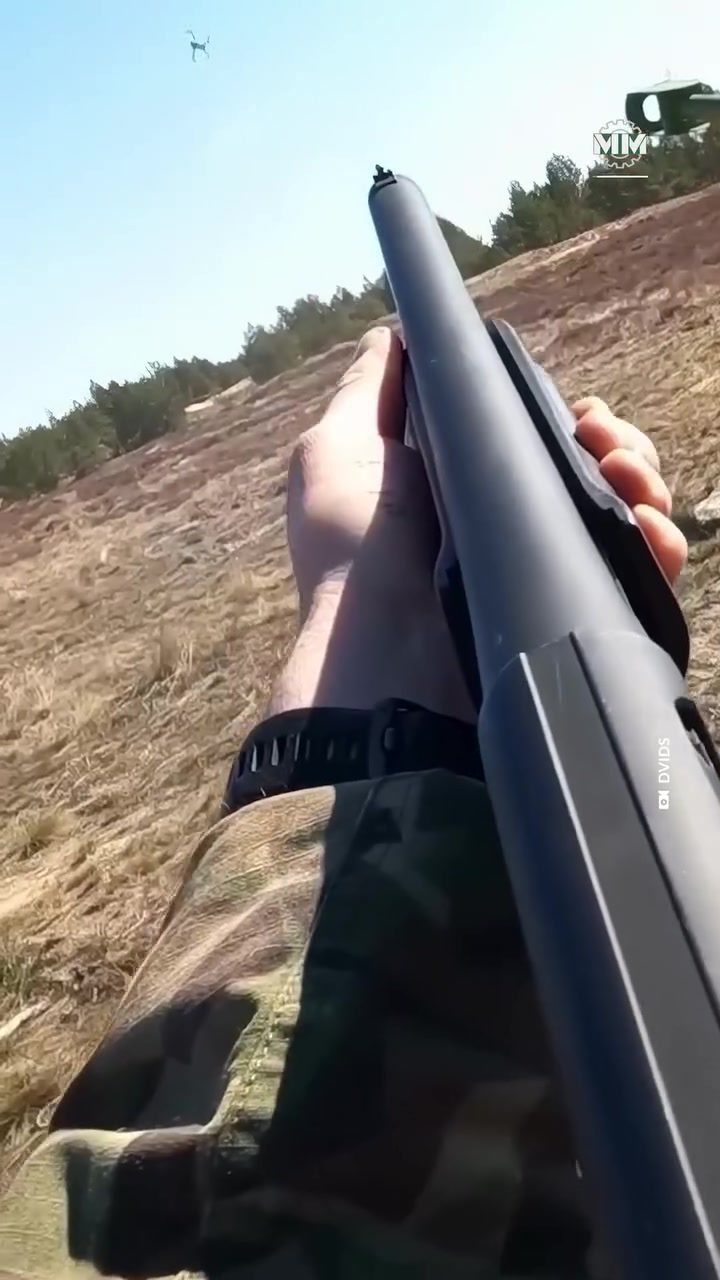
Once a drone has been jammed, the next step is to engage and neutralize it. This can involve using various methods, including kinetic and non-kinetic options. Kinetic methods involve physically destroying the drone, often using rifles or other firearms, as seen in the actions of the soldier aiming a rifle towards the drone. Non-kinetic methods, on the other hand, involve capturing the drone or forcing it to land safely.
Engaging a drone accurately is critical. The soldier's instruction, "Engage! Engage right!" underscores the importance of precision in counter-drone tactics. Successfully neutralizing a drone ensures that it can no longer pose a threat and that any potential payloads are rendered inert.
Layered Defense Tactics
Effective counter-drone strategies often involve a layered defense approach. This means using multiple tactics in conjunction to ensure maximum security. The layers can include detection systems, jamming devices, and physical engagement methods. By combining these tactics, military forces can create a robust defense mechanism that is difficult for drones to penetrate.
Practical Tips
-
Early Detection: Invest in advanced detection systems that can identify drones from a distance. This early warning allows for a more effective response.
-
Frequencies Knowledge: Understand the frequency bands used by drones in your area. This knowledge will help you select the right jamming devices and improve their effectiveness.
-
Precision Engagement: Train personnel in the precise use of engagement methods, whether kinetic or non-kinetic. Accuracy is key to neutralizing the threat.
-
Layered Defense: Implement a multi-layered defense strategy that includes detection, jamming, and engagement. This comprehensive approach ensures that no single point of failure can compromise your security.
Important Takeaways
The threat posed by drones is significant and requires a multi-faceted approach to counter effectively. By integrating detection, jamming, and engagement tactics, military and security forces can create a robust defense system. Advanced technology and precise execution are crucial in neutralizing these threats, ensuring the safety and security of both military and civilian environments.
Conclusion
Countering drone threats is a complex but essential task in modern security. By understanding the tactics involved—from detection and jamming to engagement and neutralization—security personnel can better protect against the growing use of drones in hostile environments. Whether using advanced radar systems, jamming devices, or precise engagement methods, the key to success lies in a layered, well-coordinated defense strategy. This approach ensures that drones, regardless of their intended use, are detected, disabled, and neutralized effectively.
Watch the Reel
Questions readers ask
What are the initial steps in military drone defense tactics?
The initial step in military drone defense is detection. This involves using advanced radar systems and electro-optical sensors to identify and track UAVs. Early detection allows for timely response and engagement, enhancing overall defense strategies.
How do jamming devices work in countering drone threats?
Jamming devices disrupt the communication signals between the drone and its operator. By interfering with these signals, jamming devices can take control of the drone, force it to land, or even cause it to return to its starting point, effectively neutralizing the threat.
What are some neutralisation methods used against UAVs?
Neutralization methods include various strategies such as using anti-drone rifles to shoot down drones, using net guns to capture them, or employing high-powered lasers to disable their electronic components. These methods aim to physically disable or capture the drone, ensuring it can no longer pose a threat.
What is the role of layers of drone defense in military tactics?
Layers of drone defense involve a multi-faceted approach that includes detection, disruption, and neutralization. This layered strategy ensures that even if one method fails, others are in place to counter the threat. It provides a comprehensive defense mechanism against various types of drone threats.
How do electro-optical sensors enhance drone detection?
Electro-optical sensors use visible and infrared light to detect and track drones. These sensors provide high-resolution images and video, enabling precise identification and tracking of drones, especially in low-visibility conditions. They work in tandem with radar systems to offer a more accurate and reliable detection process.
What are the key considerations in choosing drone jamming techniques?
When choosing drone jamming techniques, it is important to consider the range and frequency of the jamming signal, as well as the type of drone being targeted. Additionally, the legal and regulatory aspects of jamming in different regions should be taken into account to ensure compliance with local laws.
What are some common drone engagement strategies used by military forces?
Common drone engagement strategies include the use of directed energy weapons, such as high-powered microwaves or lasers, to disable drones. Additionally, kinetic methods like interceptor drones or anti-drone rifles are employed to physically engage and neutralize the threat. The choice of strategy depends on the specific threat and operational context.
Related deep dives
Similar reads based on topic and creator.


Recent articles
Fresh deep dives from the latest Reels we unpacked.




Comments
Be the first to comment.