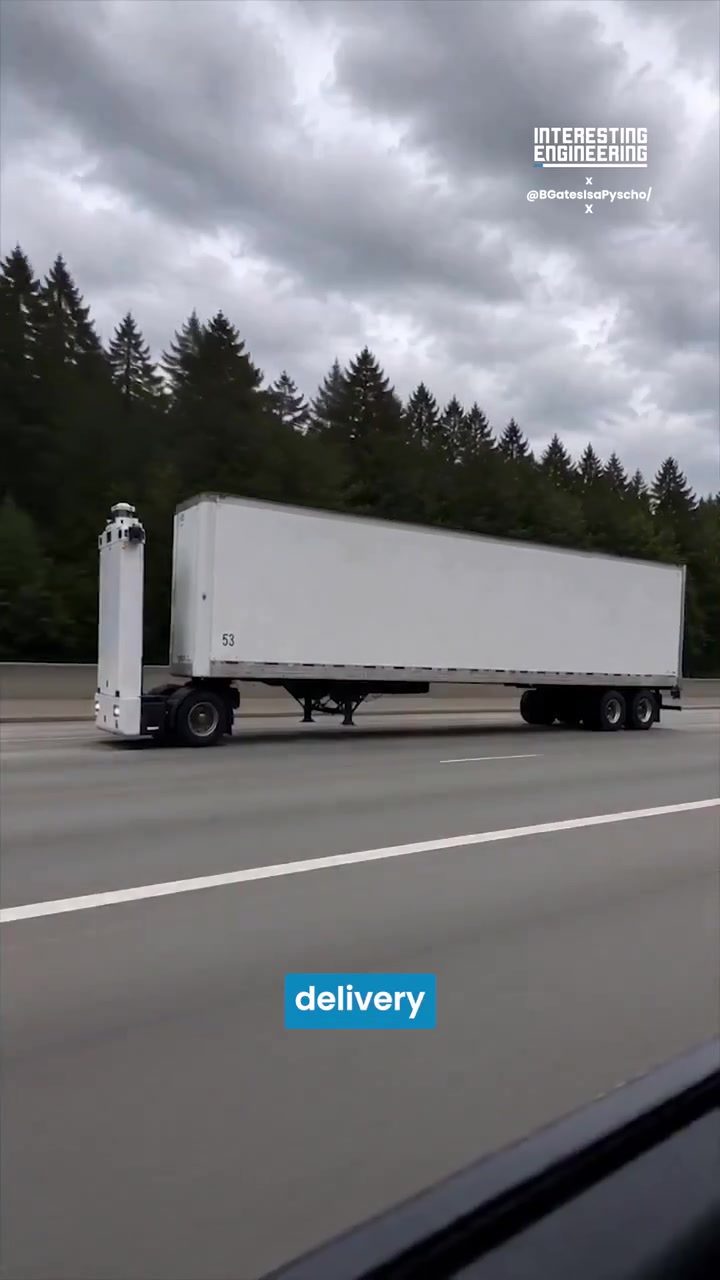
Driverless Trucks: Reshaping the Freight Industry
Driverless delivery trucks are at the forefront of revolutionizing the freight industry. These autonomous vehicles are designed to transport cargo without the need for an onboard driver, bringing a host of potential benefits and challenges.
Why This Matters
The integration of driverless trucks into the freight industry is more than just a technological novelty; it represents a significant shift in how goods are transported. The potential to reduce labor costs, improve logistics efficiency, and operate without traditional driver-hour limitations makes this technology a game-changer.
The Benefits of Driverless Trucks
Cost Efficiency
One of the most compelling advantages of driverless trucks is the potential to reduce labor costs. Traditional freight operations incur significant expenses related to driver salaries, benefits, and training. Autonomous systems can eliminate these costs, making logistics operations more financially efficient.
Improved Logistics
Driverless trucks can operate continuously, without the need for rest periods that human drivers require. This means that goods can be transported more swiftly and predictably, improving overall logistics efficiency. The ability to operate without driver-hour restrictions allows for more flexible and reliable delivery schedules.
Enhanced Safety
While the safety performance of driverless trucks is still a topic of ongoing research, companies expect that as more operational data is collected, safety will improve. Autonomous systems can reduce human error, which is a significant factor in many road accidents. This could lead to safer roads and a reduction in accidents related to freight transport.
Challenges and Considerations
Regulatory Approval
The widespread adoption of driverless trucks will depend on regulatory approval. Governments need to establish clear guidelines and standards for autonomous vehicles, ensuring that they operate safely and reliably. This process will require extensive testing and public consultation.
Public Trust
Public trust is another critical factor in the adoption of driverless trucks. People need to be convinced that these vehicles are safe and reliable before they become widely accepted. Building public trust will involve transparent communication about the technology's benefits and safety features.
Technological Advancements
Continued advancements in autonomous driving technology are essential for the success of driverless trucks. This includes improvements in sensor technology, artificial intelligence, and data processing capabilities. Ongoing research and development will ensure that these vehicles can navigate complex environments safely and efficiently.
Practical Tips for Implementing Driverless Trucks
Pilot Programs
Before rolling out a full-scale autonomous fleet, companies should consider starting with pilot programs. These programs allow for real-world testing in controlled environments, providing valuable data and insights that can be used to refine the technology and processes.
Data Collection and Analysis
Collecting and analyzing operational data is crucial for optimizing the performance of driverless trucks. Companies should invest in robust data collection systems and utilize advanced analytics to identify patterns, optimize routes, and enhance safety.
Collaboration with Regulators
Engaging with regulators early in the process can help ensure that driverless trucks meet all necessary safety and compliance standards. Collaboration can also facilitate the development of supportive regulatory frameworks that promote innovation while safeguarding public safety.
Public Engagement
Engaging with the public through transparent communication and education campaigns can build trust and support for driverless trucks. This includes addressing common concerns and highlighting the benefits of the technology.
Important Takeaways
Driverless delivery trucks have the potential to transform the freight industry by reducing labor costs, improving logistics efficiency, and enhancing safety. However, widespread adoption will require regulatory approval, public trust, and continued advancements in autonomous driving technology. Companies should approach the implementation of driverless trucks with careful planning, data-driven decision-making, and a focus on public engagement.
Conclusion
The future of freight transport is poised for a significant shift with the advent of driverless trucks. These autonomous vehicles offer numerous benefits, including cost savings, improved logistics, and enhanced safety. However, realizing these benefits will require overcoming challenges related to regulation, public trust, and technological advancements. By taking a strategic and collaborative approach, companies can successfully integrate driverless trucks into their operations and pave the way for a more efficient and sustainable freight industry.
Watch the Reel
Questions readers ask
How do driverless trucks operate without a human driver?
Driverless trucks operate using a combination of sensors, cameras, radar, and advanced algorithms to navigate roads, detect obstacles, and make decisions in real-time. These systems allow the trucks to operate independently, following predetermined routes and adhering to traffic rules.
What are the primary benefits of adopting driverless trucks in the freight industry?
The key benefits include significant reductions in labor costs, as driverless trucks do not require onboard drivers. They can operate continuously, leading to increased efficiency and productivity. Additionally, driverless trucks can potentially enhance safety by minimizing human error and reducing fatigue-related accidents.
What challenges do driverless trucks face in the freight industry?
Driverless trucks encounter several challenges, including regulatory hurdles, such as navigating varying state and federal laws. Safety concerns, like ensuring the reliability of autonomous systems and handling unexpected road conditions, are also critical. Public acceptance and integration with existing infrastructure pose additional obstacles.
How do driverless trucks impact traditional trucking jobs?
The introduction of driverless trucks is expected to reduce the demand for traditional truck drivers. However, it may also create new job opportunities in areas such as fleet management, autonomous vehicle maintenance, and logistics coordination. The transition will likely require reskilling and retraining efforts for the workforce.
What safety measures are in place for driverless trucks?
Driverless trucks are equipped with advanced safety features, including multiple sensors for 360-degree awareness, emergency braking systems, and real-time monitoring. Remote operators can also take control in case of emergencies. However, continuous improvement and testing are necessary to ensure the safety of these vehicles on public roads.
How do driverless trucks handle long-haul routes and rest periods?
Driverless trucks can operate continuously, which means they do not require rest periods like human drivers. This capability allows for more efficient long-haul routes, as the trucks can travel longer distances without stopping for driver breaks. However, regulatory and logistical considerations may still apply, such as schedule maintenance checks.
What is the current status of driverless truck technology in the freight industry?
As of now, driverless truck technology is in various stages of development and testing. Several companies are conducting real-world trials, and some are already deploying autonomous trucks for specific routes and tasks. The future of driverless trucks in the freight industry will depend on technological advancements, regulatory approvals, and industry adoption.
Related deep dives
Similar reads based on topic and creator.


Recent articles
Fresh deep dives from the latest Reels we unpacked.




Comments
Be the first to comment.