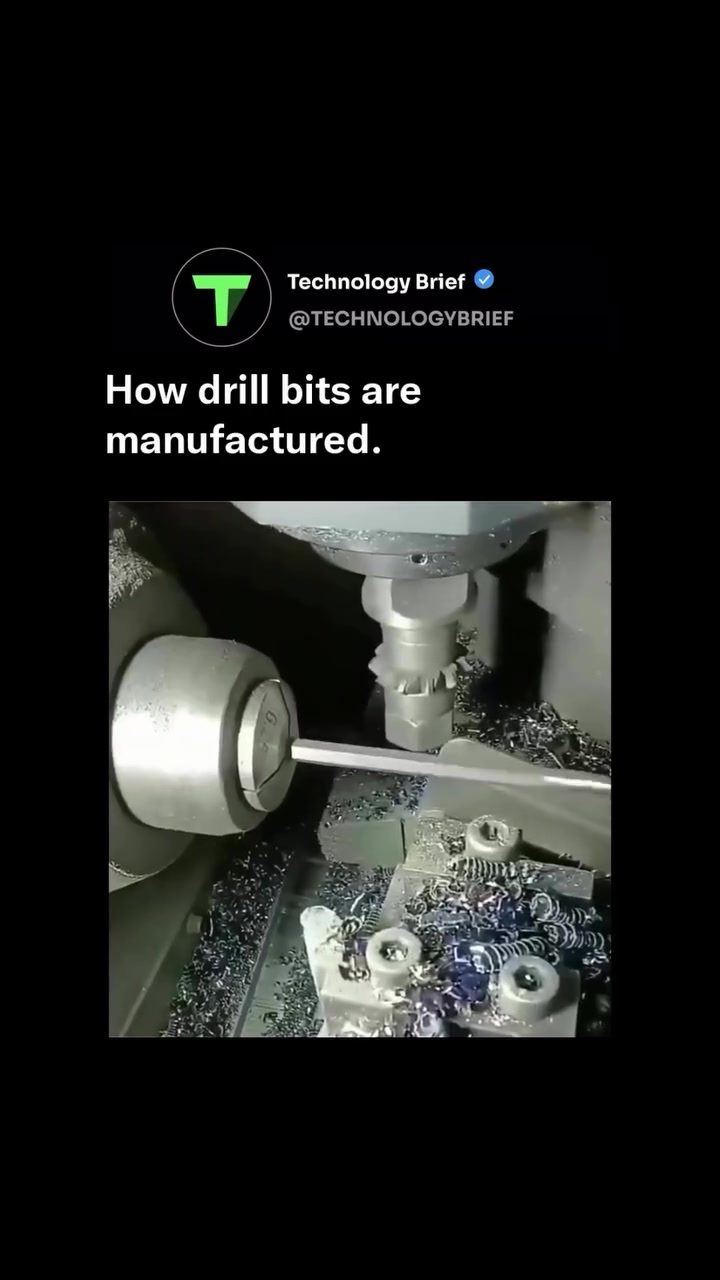
Drill bits play a crucial role in construction, carpentry, and various other industries. Understanding how these essential tools are manufactured provides insight into the precision and technology involved in their production.
Context / Why this matters
The manufacturing process of drill bits is complex and involves several stages of precision engineering. Each step is carefully designed to ensure that the final product meets the necessary standards for durability, performance, and safety. The process begins with a steel rod, which is then shaped, heat-treated, and coated to create a robust and reliable drill bit.
Main discussion
Raw material selection
The journey of a drill bit begins with the selection of the raw material. Steel rods, typically made from high-speed steel, cobalt, or carbide, are used as the primary material. These materials are chosen for their high strength, durability, and resistance to wear and tear. The rods are cut to a precise length with tolerances as tight as half a millimeter. This initial step sets the foundation for the accuracy and performance of the drill bit.
Shaping
The next stage involves shaping the steel rod into a cone tip at one end. This is achieved by spinning the rod at over 1,000 rotations per minute against a stationary blade. The blade grinds the rod into the desired cone shape. The precision of this step is critical, as it affects the ability of the drill bit to penetrate various materials effectively.
CNC grinding
After the cone tip is formed, the body of the bit is further shaped using CNC (Computer Numerical Control) grinding machines. These machines carve the spiral channels, known as flutes, into the body of the bit. The flutes are helical grooves that serve a vital function: they carry dust and debris out of the hole during drilling, preventing clogging and ensuring smooth operation. The accuracy of these flutes is paramount, with tolerances as tight as 0.05mm. These precise cuts are essential for the drill bit's performance and longevity.
Heat treatment
Once the flutes are ground, the steel undergoes a heat treatment process. This involves heating the steel to between 800 and 1,000°C, followed by rapid cooling. This treatment transforms the steel's structure, dramatically boosting its hardness. However, this process also makes the steel brittle. To restore toughness, the bit is then reheated to a lower temperature of around 200–400°C and slowly cooled again. This dual heat treatment process balances hardness and toughness, ensuring the drill bit can withstand the forces exerted during drilling without breaking.
Surface coating
The final surface coating is applied to enhance the drill bit's performance. Often, a titanium-based coating is used to reduce friction and improve wear resistance. This coating helps to extend the lifespan of the drill bit and makes it more efficient in cutting through various materials.
Practical tips
When selecting drill bits, consider the material you will be drilling into. Different materials may require different types of drill bits. For example, carbide-tipped bits are ideal for drilling into hard materials like metal, while cobalt bits are better suited for high-speed drilling in softer materials.
Maintenance and safety
Regular maintenance is crucial to ensure the longevity of your drill bits. After each use, clean the bits thoroughly to remove any dust or debris. This will prevent the buildup of materials that can affect the bit's performance. Also, ensure that the bits are stored properly to avoid damage.
Always wear safety gear, including gloves and safety glasses, when using drill bits. This will protect you from potential injuries and ensure a safe working environment. Consider using a drill bit holder or a bit index to keep your bits organized and easily accessible.
Important takeaways
The manufacturing of drill bits involves a series of precise, high-tech processes. From the selection of the raw material to the application of the final surface coating, each step is critical in ensuring the drill bit's performance and durability. Understanding these processes can help users make informed decisions when selecting and using drill bits.
Conclusion
Drill bits are essential tools in various industries, and their manufacturing process is a testament to the advancements in precision engineering. By understanding the intricacies of how drill bits are made, one can appreciate the precision and technology involved in their production. Whether you're a professional or a DIY enthusiast, knowing the details of drill bit manufacturing can enhance your skills and improve your projects.
Watch the Reel
Questions readers ask
What types of steel are commonly used in drill bit manufacturing?
High-speed steel (HSS), carbon steel and carbide are commonly used. High-speed steel and carbide are preferred for their durability and ability to withstand high temperatures. Carbon steel is often used for drill bits intended for less demanding applications.
Why is the heat treatment process crucial in drill bit manufacturing?
Heat treatment is essential for enhancing the hardness and durability of the drill bit. It involves heating and cooling the steel under controlled conditions to achieve the desired properties, such as increased wear resistance and improved cutting performance.
What are drill bit flutes and why are they important?
Drill bit flutes are the helical grooves that run along the length of the drill bit. They serve multiple purposes including allowing chip removal, providing cooling air flow, and lubricating the cutting edge for optimal performance.
How does grinding contribute to the precision of drill bits?
Grinding is a critical step in the manufacturing process. It ensures that the drill bit has the correct shape, sharpened cutting edges and precise angles, which are essential for accurate and efficient cutting. The grinding process is carefully controlled to maintain consistency across all drill bits produced.
What is the purpose of the cooling process in drill bit production?
The cooling process helps to maintain the integrity of the drill bit during and after manufacturing. It prevents overheating, which can cause warping and other deformities. Cooling also helps to set the heat-treated properties of the steel, ensuring the drill bit retains its hardness and durability.
What are the differences between high-speed steel and carbide drill bits?
High-speed steel (HSS) drill bits are made from a type of tool steel that can withstand high temperatures and maintain a sharp cutting edge, making them suitable for various materials. Carbide drill bits are made from tungsten carbide, which is even harder and more durable than HSS, making them ideal for tough materials and high-speed operations.
Why does bit shaping require precision engineering?
Bit shaping requires precision engineering to ensure the drill bit has the correct geometry for accurate and efficient cutting. This includes the precise angle of the cutting edges, the shape of the flutes, and the overall dimensions. Precision is key to achieving optimal performance, durability, and safety in the final product.
Recent articles
Fresh deep dives from the latest Reels we unpacked.




Comments
Be the first to comment.