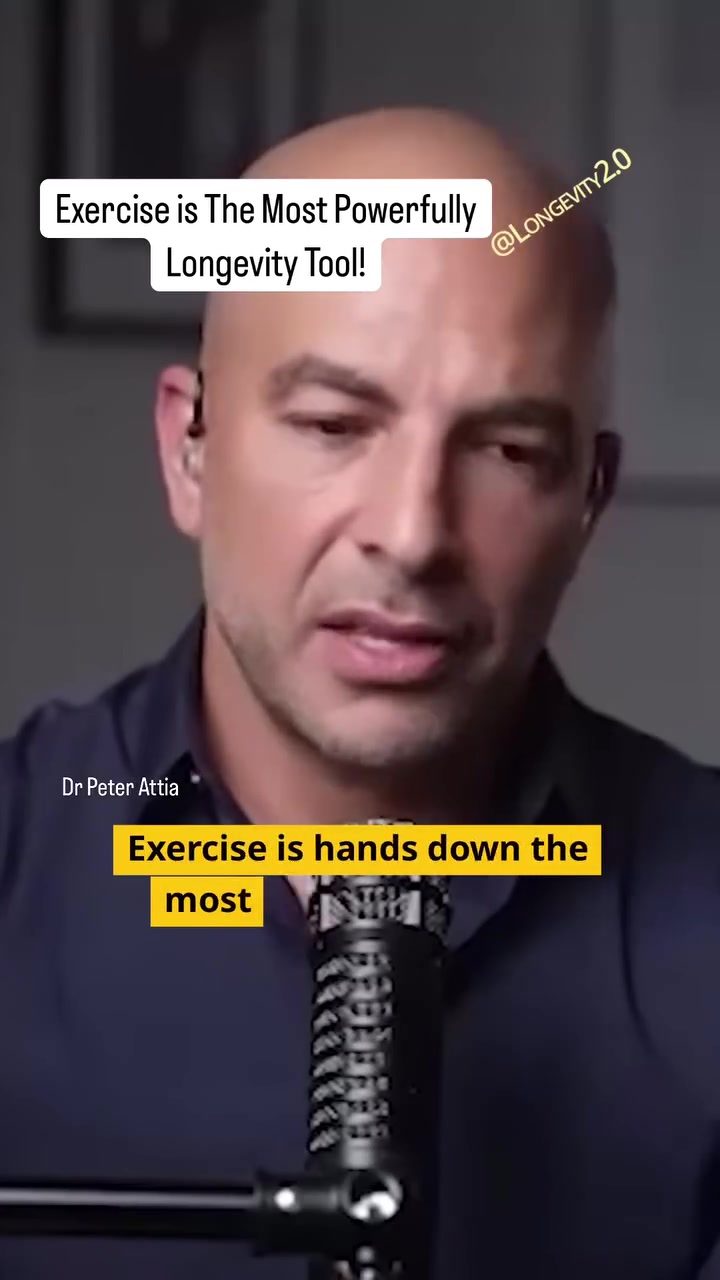
Exercise: The Key to Longevity and Vitality
Exercise stands out as the ultimate tool for enhancing both the length and quality of life. It's more than just a means to stay fit; it's a potent intervention that significantly impacts lifespan and healthspan. The benefits of regular physical activity extend far beyond mere aesthetics, delving deep into the realms of longevity and overall well-being.
Why Exercise Matters for Longevity
Exercise is the most powerful tool available for extending lifespan and improving healthspan. This isn't just about living longer; it's about living better, healthier, and more vibrantly. Physical activity dramatically reduces all-cause mortality, often more effectively than avoiding harmful habits like smoking, managing high blood pressure, or even mitigating the effects of type 2 diabetes and kidney disease. This makes exercise an invaluable asset in the quest for a longer, healthier life.
The Impact of Exercise on Longevity
Building Muscle Mass and Strength
High muscle mass and strength are critical indicators of longevity. Studies show that individuals with high levels of muscle mass and strength relative to their sex have a significantly lower risk of mortality from any cause. This benefit is greater than the harm caused by harmful health conditions like smoking and kidney disease. Being incredibly fit and strong is therefore key to extending lifespan and maintaining overall health.
Enhancing Cardiorespiratory Fitness
Cardiorespiratory fitness, which measures the body's efficiency in delivering oxygen to the muscles, is another crucial factor in longevity. Regular exercise, including both aerobic and strength-training routines, enhances cardiovascular health and improves overall fitness. This comprehensive approach to fitness helps in reducing the risk of chronic diseases and ensuring that the body remains robust and resilient over time.
Protecting Against Neurodegeneration
Exercise is a powerful tool for fostering neuroprotection and warding off neurodegeneration. Regular physical activity helps maintain cognitive function and reduces the risk of cognitive decline as we age. This is particularly important in the later years of life, ensuring that individuals can maintain their independence and enjoy a high quality of life.
Maintaining Physical Health
Regular exercise is essential for maintaining physical health and mobility as we age. It helps in preserving muscle mass, bone density, and joint health, which are all critical for staying active and functional in the later years. By keeping the body strong and flexible, exercise ensures that individuals can continue to engage in the activities they enjoy, from hiking and gardening to spending time with loved ones.
Practical Tips for Incorporating Exercise into Daily Life
Start with a Plan
Create a well-rounded exercise plan that includes a mix of aerobic activities, strength training, and flexibility exercises. Aim for at least 150 minutes of moderate-intensity or 75 minutes of vigorous-intensity aerobic activity per week, combined with strength training at least two days a week.
Make it a Habit
Consistency is key when it comes to exercise. Incorporate physical activity into your daily routine, whether it's a morning walk, an after-work gym session, or an evening yoga class. The goal is to make exercise a habit that you look forward to, rather than a chore.
Stay Motivated
Find activities that you enjoy and that challenge you. This could be anything from dancing and swimming to hiking and cycling. Mixing up your routine not only keeps things interesting but also ensures that you're working different muscle groups and improving overall fitness.
Listen to Your Body
Pay attention to your body's needs and limitations. Gradually increase the intensity and duration of your workouts to avoid injury and burnout. Rest and recovery are just as important as the exercise itself, so make sure to give your body the time it needs to recover.
Stay Active Throughout the Day
In addition to regular exercise, try to stay active throughout the day. Take the stairs instead of the elevator, go for a walk during your lunch break, or do some stretching while watching TV. Every bit of movement adds up and contributes to your overall health and well-being.
Important Takeaways
Exercise is not just about looking good; it's about feeling good and living a longer, healthier life. By incorporating regular physical activity into your routine, you can significantly enhance your lifespan and healthspan, protect your brain, and maintain your physical health as you age. The benefits of exercise extend far beyond the gym, impacting every aspect of your life and ensuring that you can enjoy a vibrant and fulfilling existence well into your later years.
Conclusion
Exercise is the ultimate life enhancer. It boosts lifespan and healthspan, protects against neurodegenerative diseases, and keeps you physically active and independent. By making exercise a part of your daily life, you're investing in a longer, healthier, and more vibrant future.
Watch the Reel
Questions readers ask
What are the key benefits of exercise for longevity according to Dr. Peter Attia?
Dr. Peter Attia emphasizes that exercise extends lifespan and improves healthspan, reducing all-cause mortality rates more effectively than many medical interventions. It also enhances muscle mass, cardiorespiratory fitness, and may help prevent brain deterioration.
How does regular exercise impact muscle mass and cardiorespiratory fitness?
Regular exercise helps build and maintain muscle mass, which is crucial for metabolism and mobility. It also improves cardiorespiratory fitness, enhancing the body's ability to transport oxygen and nutrients, and reducing the risk of cardiovascular diseases.
Can exercise prevent brain deterioration and how does it work?
Exercise has a preventative effect against brain deterioration by promoting neurogenesis, reducing inflammation, and enhancing blood flow to the brain. Regular physical activity has been shown to slow cognitive decline and reduce the risk of neurodegenerative diseases.
How does exercise compare to other medical interventions in terms of longevity benefits?
Exercise is often more effective than some medical interventions in extending lifespan. For instance, regular physical activity can reduce the risk of chronic diseases and improve overall health, outpacing the benefits of merely avoiding harmful habits or managing specific conditions.
What are the benefits of high-intensity exercise for a longer, healthier life?
High-intensity exercise offers numerous benefits, including significant improvements in cardiovascular health, increased metabolism, and better insulin sensitivity. These factors contribute to a longer, healthier life by reducing the risk of chronic diseases and enhancing overall fitness.
What are some of Dr. Peter Attia's key tips for using exercise to extend living?
Dr. Peter Attia recommends incorporating a mix of aerobic and resistance training into your routine. He advises focusing on high-intensity interval training (HIIT) for maximum benefits, along with maintaining a consistent exercise schedule to promote longevity and vitality.
How does regular exercise benefit brain health and cognitive function?
Regular exercise boosts brain health by increasing neurotrophins and reducing inflammation. It also enhances cognitive function by improving mood, reducing stress, and promoting better sleep, all of which contribute to a sharper mind and a higher quality of life.
Recent articles
Fresh deep dives from the latest Reels we unpacked.




Comments
Be the first to comment.