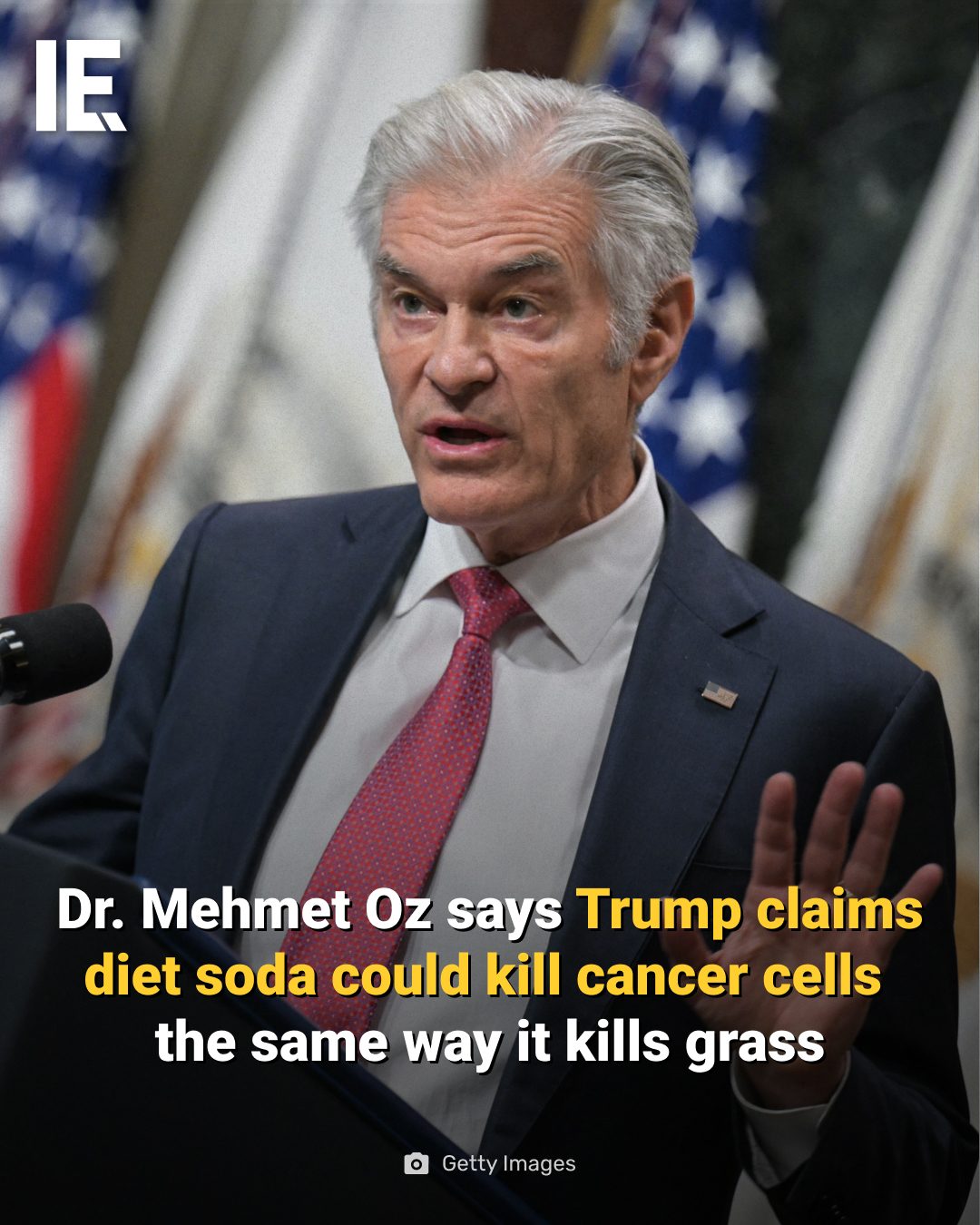
Diet Soda and Cancer: Examining Donald Trump's Claims
Recently, a discussion has surfaced surrounding a claim made by Donald Trump about the potential benefits of diet soda, specifically its impact on cancer cells. Dr. Mehmet Oz, a renowned figure in the medical field, spoke about this claim on a recent podcast. This discussion has sparked curiosity and raised several questions about the relationship between diet soda and health.
Why This Matters
Understanding the potential health implications of beverages like diet soda is crucial, especially when such claims come from public figures. The discourse around diet soda and cancer has led many to question the validity of these statements and seek deeper insights into the scientific basis behind them. With a sharp focus on health and wellness, it is vital to separate fact from fiction to make informed decisions about diet and its effects on the body.
Unpacking the Claim
The Analogy Explained
To understand the context of Trump's claim, it is essential to explore the analogy he used. Trump suggested that diet soda, which can kill grass when poured on it, might have a similar effect on cancer cells in the body. This comparison can be broken down into two parts: the effect of diet soda on grass and the potential effect on cancer cells.
The Science Behind Diet Soda and Grass
When diet soda is poured on grass, it can cause the grass to die. This is due to the high acidity and chemical composition of diet soda, which can dehydrate and damage plant tissue. However, the human body and plant cells operate very differently. The analogy does not directly translate to the human body because the mechanisms by which cells are affected are fundamentally different.
What About Cancer Cells?
The idea that diet soda could kill cancer cells is more complex. Cancer cells are known for their rapid and uncontrolled growth, often due to genetic mutations. Diet soda contains artificial sweeteners, preservatives, and other chemicals that could potentially interfere with cellular processes. However, there is currently no scientific evidence to support the claim that these chemicals can specifically target and eliminate cancer cells.
The Role of Artificial Sweeteners
Diet sodas typically contain artificial sweeteners like aspartame, sucralose, or saccharin. These sweeteners are designed to provide sweetness without the calories of sugar. While they are generally considered safe for consumption, their long-term effects on the body, particularly in relation to cancer, are still a subject of ongoing research. Some studies suggest that these sweeteners may have potential health risks, including increased insulin resistance and altered gut microbiota, but their direct impact on cancer cells is not well-established.
Context: Trump's Personal Views
It is important to clarify that the remarks made by Trump were presented as his personal views and not as scientifically validated statements. Dr. Oz described these claims as statements made by Trump in conversation, including during a discussion on Donald Trump Jr.'s podcast.
Fanta and Fresh Squeezed Fruits
In addition to the diet soda claim, Trump also joked that Fanta, a popular carbonated soft drink, couldn't be bad for him because it’s "fresh squeezed." This statement is rooted in the belief that natural and fresh ingredients are inherently healthier. While fruit juices can be part of a balanced diet, it is essential to recognize that beverages like Fanta may still contain high amounts of sugar and other additives that could have adverse health effects.
Practical Tips
Reading Labels and Making Informed Choices
When considering the potential health implications of beverages, always read the labels and understand the ingredients. Opt for beverages with natural sweeteners or low-calorie alternatives, but remember that moderation is key.
Balanced Diet and Regular Exercise
Maintaining a balanced diet and regular exercise is crucial for overall health and well-being. Focus on consuming a variety of nutrient-dense foods, including fruits, vegetables, whole grains, and lean proteins, while limiting processed foods and sugary beverages.
Consulting Healthcare Professionals
For personalized advice, consult healthcare professionals or registered dietitians. They can provide tailored recommendations based on individual health needs and dietary preferences.
Important Takeaways
The Importance of Evidence
When evaluating the potential health effects of any beverage, it is essential to rely on scientific evidence rather than anecdotal claims. Understanding the underlying mechanisms and conducting thorough research can help inform better decisions about diet and health.
The Complexity of Cancer Research
Research on cancer is complex and multifaceted. Claims about specific foods or beverages affecting cancer cells should be approached with caution and evaluated based on rigorous scientific studies.
Personal Views vs. Scientific Facts
Politicians and public figures often share their personal beliefs and experiences, but these should not be confused with established scientific facts. It is crucial to differentiate between personal anecdotes and scientifically validated information.
Conclusion
The claim that diet soda could kill cancer cells in the body, as suggested by Donald Trump, is an intriguing yet complex topic. While diet soda's effect on grass is well-documented, its impact on human cells, particularly cancer cells, remains speculative and unproven. Understanding the science behind such claims can help individuals make informed decisions about their diet and overall health. In an era where health information is abundant, it is essential to separate fact from fiction and rely on evidence-based knowledge.
Watch the Reel
Related deep dives
Similar reads based on topic and creator.



Recent articles
Fresh deep dives from the latest Reels we unpacked.




Comments
Be the first to comment.