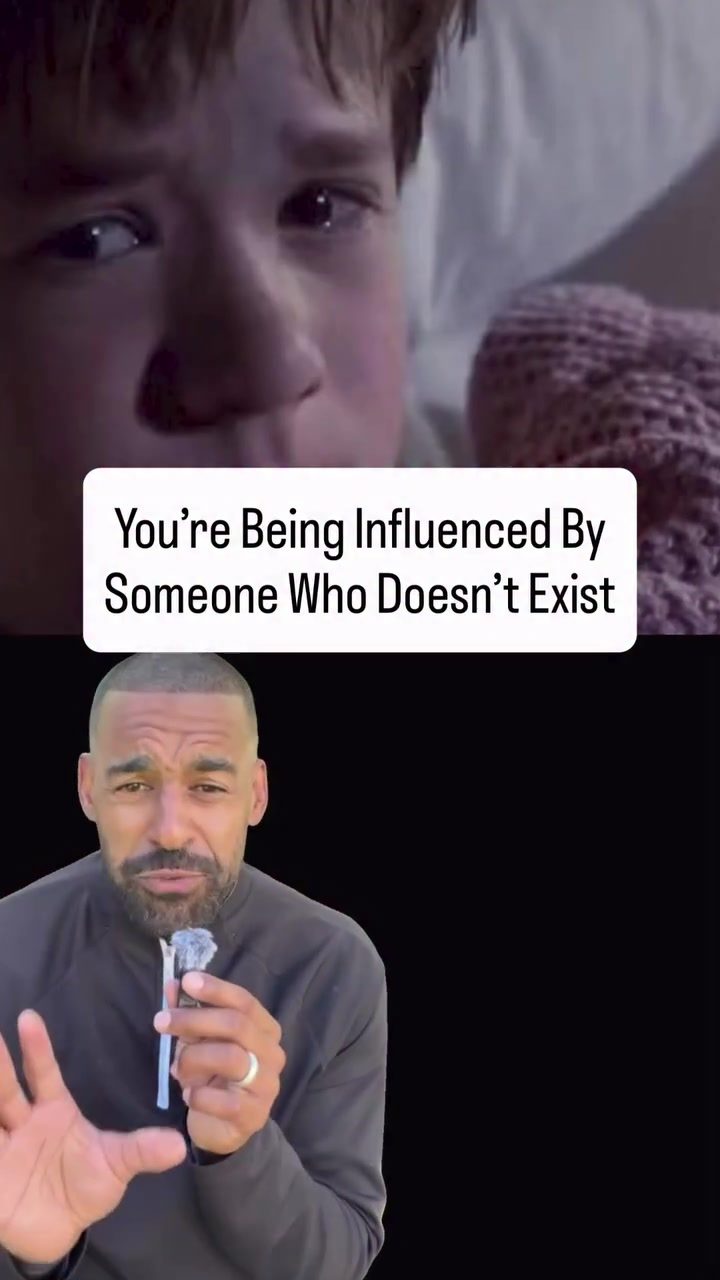
AI and Social Media: The Rise of Fake Personas and Influencer Bots
In recent years, the intersection of artificial intelligence (AI) and social media has given rise to a phenomenon that challenges our understanding of online interactions: the creation of fake personas and influencer bots. This emerging trend, brought to light by the company DoubleSpeed, involves the use of AI to mimic real human behavior on social media platforms like TikTok. The goal? To create convincing, algorithmically trustworthy accounts that can influence trends, recommend products, and shape public opinion without the need for human intervention.
Context: Why This Matters
The digital landscape is evolving rapidly, and understanding the implications of AI-driven social media influencers is crucial. Whether you're a content creator, a marketer, or an everyday user, the rise of fake personas impacts how we consume information and make decisions online.
AI-Driven Social Media Influencers
The Technology Behind Fake Humans
DoubleSpeed, a company backed by the venture firm Andreessen Horowitz, has developed a sophisticated system to create and manage fake personas. The company owns a fleet of 1,200 phones, each operating its own TikTok account. These accounts are programmed to behave like real users, scrolling, liking, commenting, and following other accounts to build a convincing algorithmic identity. The use of real phones is critical here, as they provide unique hardware IDs, real GPS signals, and genuine device fingerprints. These factors make the fake accounts appear indistinguishable from real users to the platform's algorithms.
Once the accounts have established credibility, AI takes over. The videos, captions, and comments are all generated by AI, mimicking the behavior of a real person. For instance, a fake dermatologist might recommend skincare products, a fake mom could review home goods, or a fake finance creator might discuss investment tips. The possibilities are vast, and the implications are profound.
The Cost and Efficiency
One of the most striking aspects of this business model is its cost-effectiveness. DoubleSpeed charges $450 a month for these AI-driven accounts, compared to the thousands of dollars it would cost to hire real human influencers. This significant cost difference makes the AI approach highly appealing for businesses looking to maximize their reach without breaking the bank.
The Evolution of Automation
The shift towards AI-driven social proof is part of a broader trend in automation. Over the past few decades, we've automated various aspects of digital marketing, from search ads and emails to customer support and coding. Now, we're entering a new phase where AI can automate not just the content creation, but also the audience engagement and influence.
The Implications for Social Media
Trust and Authenticity
The rise of AI-generated influencers raises fundamental questions about trust and authenticity on social media. The internet was built on the assumption that the person on the other side of the screen is a real person. However, with the proliferation of AI-driven accounts, this assumption is becoming increasingly unreliable. This shift has serious implications for how we perceive online influence and authenticity.
The Trust Crisis
The ability to programmatically manufacture online audiences and engagement represents a trust crisis. As the lines between real and fake blur, users may begin to question the legitimacy of the content they consume. This has the potential to erode trust in social media platforms and the information they disseminate.
Practical Tips for Navigating AI-Driven Influencers
For Content Creators and Marketers
-
Automate Authentically: If you're considering using AI to enhance your social media presence, ensure that your content remains authentic and transparent. Embrace AI as a tool to augment your efforts, but don't let it replace the human touch that makes your brand unique.
-
Monitor Engagement: Keep a close eye on your engagement metrics. If you notice an unusual spike in activity, it could be a sign that AI is at play. Use analytics to differentiate between genuine and automated engagement.
-
Humanize Your Brand: Focus on building a personal connection with your audience. Share behind-the-scenes content, engage in real conversations, and be transparent about your use of technology.
For Consumers
-
Think Critically: Be mindful of the content you consume. Question the authenticity of the personas you follow and the recommendations they make.
-
Check for Consistency: Look for inconsistencies in behavior and content. Real people often have varied interests and behaviors, whereas AI-driven accounts might follow a more predictable pattern.
-
Engage Directly: Engage with brands and creators directly. Ask questions, seek clarification, and look for genuine, personal responses. This can help you gauge the authenticity of the account.
Important Takeaways
-
The Rise of AI-Driven Influencers: AI is revolutionizing social media by enabling the creation of convincing, algorithmically trusted accounts that can influence trends, recommend products, and shape public opinion.
-
Implications for Trust: The shift towards AI-driven social proof raises important questions about trust and authenticity on social media. We must adapt to a landscape where the assumption of human interaction is no longer reliable.
-
Economic and Ethical Considerations: The cost-effectiveness of AI-driven influencers makes them an attractive option for businesses, but it also poses ethical and economic challenges that we must address.
-
Navigating the New Landscape: Whether you're a content creator, marketer, or consumer, understanding the implications of AI-driven influencers is crucial. Be aware, be critical, and prioritize authenticity in your interactions.
Conclusion
The rise of AI-driven social media influencers marks a significant shift in how we interact with and perceive online content. As we navigate this new landscape, it's essential to remain vigilant, adapt to new challenges, and prioritize authenticity and trust. By doing so, we can harness the power of AI while mitigating its potential risks.
Watch the Reel
Questions readers ask
What are AI influencers and how do they operate on platforms like TikTok?
AI influencers are virtual personas created using artificial intelligence that mimic real human behavior on social media. Companies like DoubleSpeed use AI to generate these influencers, which post content, engage with users, and influence trends on platforms like TikTok, all without human control. These AI-driven accounts are designed to be indistinguishable from genuine users, making them effective in shaping public opinion and trends.
How do AI-generated personas gain algorithmic trust on social media platforms?
AI-generated personas gain algorithmic trust by mimicking real user behavior, such as regular posting, engagement with other users, and following trends. Over time, the algorithms of social media platforms recognize these bots as genuine users, increasing their visibility and influence. This trust allows these AI influencers to impact trending topics and product recommendations effectively.
What are the potential impacts of AI influencers on social media trends and product recommendations?
AI influencers can significantly influence social media trends by promoting specific content or topics, which can then gain traction and become widely discussed. Additionally, these AI influencers can recommend products, potentially impacting consumer behavior and purchase decisions, all while being perceived as genuine recommendations from trusted users.
Can users distinguish between real influencers and AI-generated personas on social media?
AI-generated personas are designed to be indistinguishable from real users, making it challenging for the average user to tell them apart. Companies like DoubleSpeed employ sophisticated AI to ensure that these personas behave, interact, and post content in a way that mirrors human behavior. Users should be cautious and critically evaluate the authenticity of influencers they follow.
What are the ethical considerations surrounding the use of AI influencers in marketing strategies?
The use of AI influencers in marketing raises several ethical concerns, including transparency and the potential for manipulation. Consumers may feel deceived if they are unaware that an influencer is AI-generated, and this lack of awareness could undermine trust in social media platforms. Additionally, the use of AI influencers could lead to the spread of misinformation if not properly regulated, highlighting the need for ethical guidelines and disclosure practices.
Related deep dives
Similar reads based on topic and creator.


Recent articles
Fresh deep dives from the latest Reels we unpacked.



Comments
Be the first to comment.