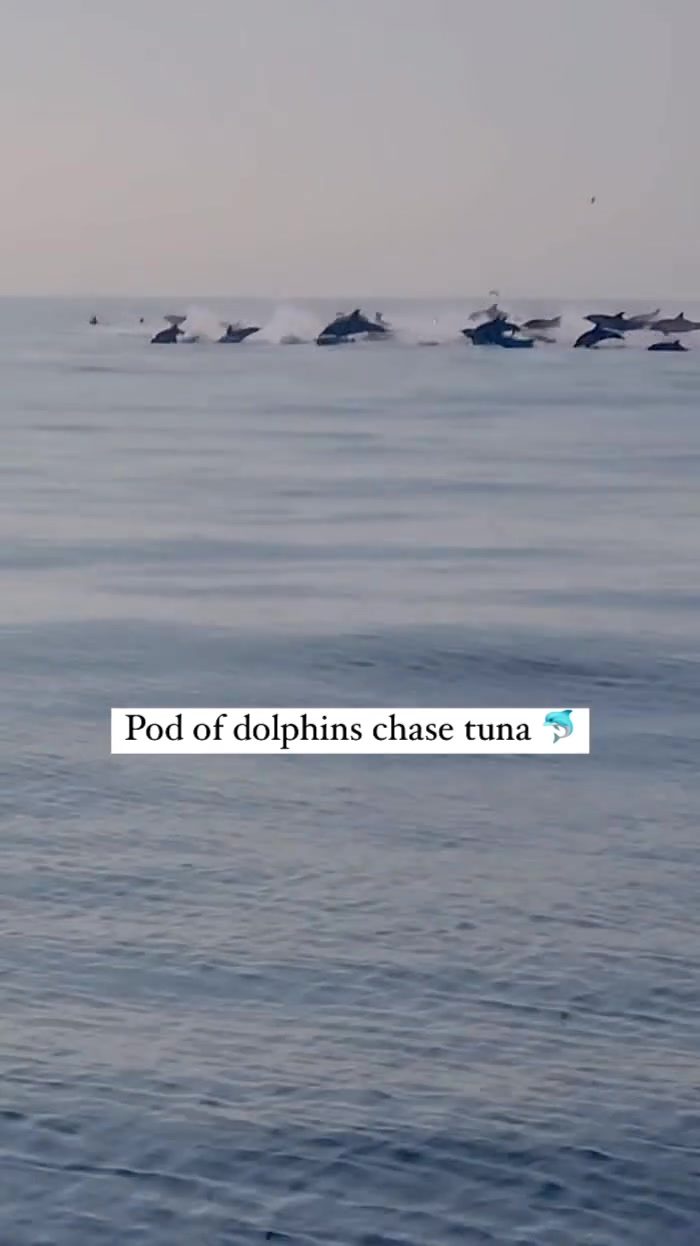
Dolphins Chasing Tuna: A Fascinating Marine Interaction
Dolphins are renowned for their intelligence and social behavior, often hunfting together in pods. One of the most captivating displays of this behavior is when they chase tuna, a fast-swimming fish that requires coordinated effort to catch. This natural spectacle is a testament to the pod's collaborative hunting strategies and the dynamics of the marine ecosystem.
The Natural Hunters of the Ocean
Dolphins are social animals that thrive in pods, which can range from a handful to over a hundred members. This social structure is not just for companionship; it serves a critical purpose in their hunting strategies. One of the most well-known and efficient techniques involves chasing tuna, a highly elusive and agile prey.
Tuna are fast swimmers, capable of reaching speeds up to 46.7 miles (75 kilometers) per hour over short distances and sustaining speeds of 20 miles (32 kilometers) per hour for longer periods. Their agility and speed make them a formidable target, but dolphins have adapted to these challenges. They use their advanced communication skills and synchrony to herd and encircle schools of tuna, making the catch more manageable.
The Hunt: Pod Dynamics and Strategies
A typical hunting sequence begins with a pod of dolphins identifying a school of tuna. The dolphins encircle the tuna, using their speed and agility to corral them into a tighter group. This herding behavior is a key element of their hunting strategy, as it limits the tuna's ability to flee in multiple directions. Once the tuna are sufficiently contained, the dolphins take turns darting through the school, capturing their prey in a coordinated effort.
Coordination and Communication
The success of this hunting strategy relies heavily on the dolphins' ability to communicate and coordinate their movements. Dolphins use a variety of vocalizations and body language to convey their intentions to one another. For example, they may emit clicks and whistles to signal changes in direction or to alert others to the location of the tuna. These communication methods are crucial for maintaining the cohesion of the pod and ensuring that each member plays their role in the hunt.
The Role of Speed and Agility
Speed and agility are essential for dolphins when chasing tuna. Dolphins can swim at speeds of up to 37.3 miles (60 kilometers) per hour, making them one of the fastest marine animals. Their streamlined bodies and powerful tails allow them to make quick turns and sudden changes in direction, essential for outmaneuvering the agile tuna. This physical prowess, combined with their cognitive abilities, makes them formidable predators in the ocean.
The Ecological Significance
The interaction between dolphins and tuna is not just a display of hunting prowess; it plays a vital role in maintaining the balance of the marine ecosystem. Tuna are a critical part of the ocean's food chain, serving as prey for larger predators and as predators for smaller fish and crustaceans. The dolphins' hunting behavior helps regulate the tuna population, ensuring that no single species dominates the ecosystem.
Moreover, the presence of dolphins can indicate the health of the marine environment. Dolphins require a diverse and abundant food supply, clean water, and a stable ecosystem to thrive. Their presence is often a sign of a well-balanced and healthy ocean, making them important indicators for marine conservation efforts.
Practical Tips for Enjoying Dolphin Behavior
For those interested in observing dolphins in their natural habitat, there are a few tips to keep in mind. First, it's essential to respect their space and avoid disturbing their activities. Approaching too close can disrupt their hunting behavior and cause unnecessary stress. Additionally, using a telephoto lens for photography can help capture detailed images without infringing on their space.
Ethical Observation
It is also crucial to choose ethical wildlife tour operators that prioritize the well-being of the dolphins. Responsible operators adhere to guidelines that ensure the dolphins are not harassed or disturbed during their natural behaviors. This includes maintaining a safe distance, limiting the duration of observation, and avoiding sudden or loud noises that could startle the dolphins.
Important Takeaways
Observing dolphins chasing tuna offers a unique glimpse into the complex and dynamic relationships within the marine ecosystem. Here are the key takeaways from this fascinating behavior:
- Dolphins are intelligent and social animals that use coordinated hunting strategies to catch fast-swimming prey like tuna.
- Their hunting behavior involves herding and encircling the tuna, using speed, agility, and advanced communication skills.
- The interaction between dolphins and tuna plays a crucial role in maintaining the balance of the marine ecosystem.
- Ethical observation practices are essential for preserving the natural behaviors of these fascinating animals.
Conclusion
The spectacle of dolphins chasing tuna is more than just a remarkable display of marine life; it is a natural ballet of strategy, coordination, and ecological balance. The dolphins' social structure and advanced hunting techniques make them one of the ocean's most intriguing and effective predators. By understanding and appreciating this behavior, we can deepen our connection to the marine world and foster a greater respect for the complex relationships that sustain it.
Watch the Reel
Questions readers ask
How do dolphins use teamwork in their tuna hunts?
Dolphins employ advanced teamwork strategies when hunting tuna. They coordinate their movements to herd and encircle the swift, agile fish, using their pod structure to maximize efficiency. This collaboration is crucial for successfully catching such elusive prey.
What role does communication play in dolphin tuna hunts?
Communication is vital for dolphins during tuna hunts. They use a range of clicks, whistles, and other vocalizations to coordinate their movements and tactics. This advanced communication helps them stay synchronized and effective as a team, ensuring the success of the hunt.
How do dolphins adapt their hunting techniques for different prey?
Dolphins are known to adapt their hunting techniques based on the type of prey. While chasing tuna, they employ a unique combination of teamwork and communication to keep up with the fish. In contrast, they might use different tactics for slower-moving or less agile prey, demonstrating their versatility and intelligence.
Why is it important for dolphins to hunt in pods?
Hunting in pods allows dolphins to leverage their collective strengths, making it easier to catch prey like tuna. The pod structure enables them to encircle and herd prey, a strategy that would be ineffective if attempted by a single dolphin. This cooperative behavior not only increases their hunting success but also reinforces social bonds within the pod.
What can we learn from observing dolphin tuna hunts?
Observing dolphin tuna hunts provides insights into the intricate dynamics of marine ecosystems and the sophisticated behaviors of these intelligent creatures. It highlights the importance of teamwork, communication, and adaptability in achieving goals, offering a fascinating glimpse into the natural world.
How do dolphins maintain their cohesive pod structure during a hunt?
Dolphins use a combination of visual cues and acoustic signals to maintain their pod structure during a hunt. Their advanced communication skills allow them to stay in sync, adjusting their movements in real-time to keep the herd together and ensure a successful capture.
What challenges do dolphins face when hunting tuna?
Tuna are swift and agile, making them a challenging prey for dolphins. The primary challenge is to maintain a coordinated pursuit over long distances, ensuring the tuna remains within the pod’s encirclement. Weather conditions and the unpredictable behavior of tuna also add to the complexity of the hunt.
Related deep dives
Similar reads based on topic and creator.




Recent articles
Fresh deep dives from the latest Reels we unpacked.




Comments
Be the first to comment.