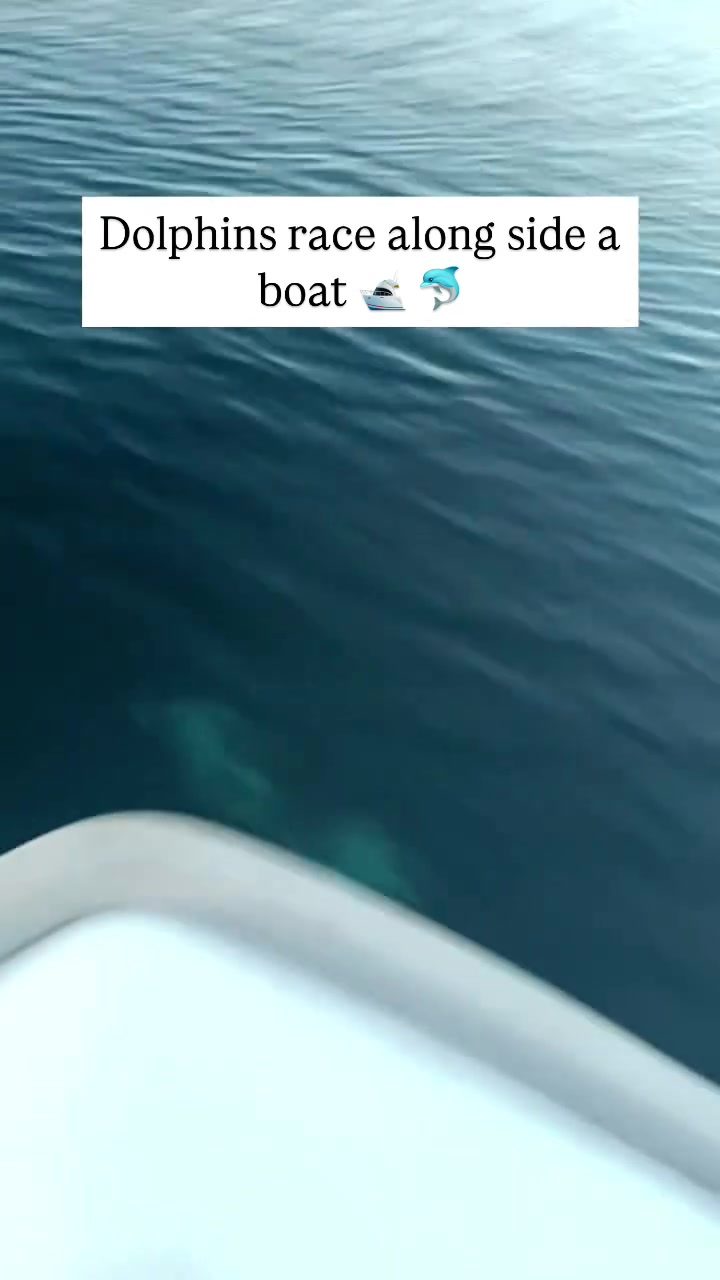
Dolphin Behavior and Boating
The sight of dolphins swimming alongside a boat is a breathtaking experience that highlights the natural beauty and surprising speed of these marine creatures. Dolphin behavior around boats is a fascinating aspect of wildlife interaction, showcasing their intelligence and adaptability.
Context / Why This Matters
Dolphins are known for their playful and curious nature, often approaching boats out of curiosity or to interact with the humans on board. Understanding their behavior around boats not only enriches our appreciation of these animals but also helps in ensuring safe and respectful encounters. Dolphins are social animals that thrive in groups, making their interactions with boats a unique opportunity to observe their social dynamics.
Main Discussion
The Fascinating World of Dolphin Behavior
Dolphins are highly intelligent and social creatures. They are known for their complex behaviors and their ability to communicate with each other through a series of clicks, whistles, and body movements. When dolphins swim alongside a boat, they often exhibit playful behavior, jumping and leaping out of the water. This behavior can be a sign of curiosity or a way to communicate with the humans on board.
Why Dolphins Swim Alongside Boats
There are several reasons why dolphins might choose to swim alongside boats. One of the primary reasons is the boat's movement, which creates a bow wave that dolphins can ride on. This allows them to conserve energy and travel with less effort. The interaction can also be a form of play or exploration, as dolphins are known for their playful nature. Additionally, dolphins may be attracted to the sounds and vibrations that boats produce, which can pique their curiosity.
The Speed and Agility of Dolphins
Dolphins are known for their incredible speed and agility in the water. They can reach speeds of up to 37 miles per hour, making them one of the fastest marine animals. This speed and agility are evident when they swim alongside boats, showcasing their ability to keep up with the vessel's pace effortlessly. Dolphins use their streamlined bodies and powerful tails to propel themselves through the water, making them highly efficient swimmers.
Practical Tips
How to Observe Dolphins Safety and Responsibly
If you're lucky enough to encounter dolphins swimming alongside a boat, there are several tips to keep in mind to ensure a safe and responsible interaction:
- Maintain a Safe Distance: Keep a safe distance from the dolphins to avoid disturbing them. This allows them to approach the boat on their own terms and ensures their safety.
- Avoid Sudden Movements: Sudden movements or loud noises can startle dolphins, so it's important to keep movements slow and calm.
- Do Not Feed or Touch the Dolphins: Feeding or touching dolphins can disrupt their natural behavior and have long-term negative effects on their health. Always observe them from a distance.
- Reduce Boat Speed: If dolphins approach your boat, consider reducing your speed or turning off the engine to allow them to interact more safely.
- Carry a Camera: A steady camera or binoculars can help you capture the experience without disturbing the dolphins.
- Inform Others: If you encounter a pod of dolphins, inform other boaters or share your experience on wildlife monitoring platforms to help track dolphin behavior.
Important Takeaways
- Curiosity and Play: Dolphins' interactions with boats are often driven by curiosity and a desire to play, showcasing their playful and social nature.
- Speed and Agility: Dolphins' speed and agility make them exceptional swimmers, capable of keeping up with boats effortlessly.
- Responsible Observation: Maintaining a safe distance and avoiding sudden movements are key to ensuring safe and respectful interactions with dolphins.
Conclusion
Encountering dolphins swimming alongside a boat is a thrilling experience that highlights the natural beauty and intelligence of these marine creatures. Whether it's their curious nature, playful behavior, or their remarkable speed and agility, dolphins never fail to captivate. To ensure these encounters remain positive and safe, it's important to observe responsible boating practices and maintain a respectful distance from these fascinating animals.
Watch the Reel
Questions readers ask
How fast can dolphins swim when they are alongside boats?
Dolphins can reach impressive speeds, often up to 37 miles per hour in short bursts, but typically cruise around 2.5 to 7.5 miles per hour. When swimming alongside boats, they often match the boat's speed, which can be around 5 to 10 miles per hour, showcasing their remarkable agility and control.
Why do dolphins swim next to boats?
Dolphins are curious and playful creatures. They often swim next to boats out of curiosity or to interact with the humans on board. This behavior also allows them to conserve energy by taking advantage of the boat's momentum, a practice known as bow riding.
What can we learn about dolphin behavior from watching them with boats?
Observing dolphins alongside boats provides insights into their social dynamics, as dolphins are social animals that often travel in groups. It also showcases their intelligence, adaptability, and playful nature, offering a unique perspective on their behaviors and interactions.
Is it safe for dolphins to swim next to boats?
For the most part, yes. Dolphins are generally aware and capable of navigating around boats safely. They often actively seek out boat interactions. However, it's crucial for boat operators to be mindful and cautious, maintaining a safe speed and distance to avoid any potential harm to the dolphins, their habitat, and the environment.
Do dolphins have a dark side?
While dolphins are often seen as playful and friendly, they can exhibit aggressive behaviors, particularly when they feel threatened or are protecting their young. This is why it's essential to maintain a respectful distance and avoid actions that could provoke or disturb them.
How do dolphins move so fast and agilely in the water?
Dolphins are streamlined and have powerful, flexible bodies that allow them to move swiftly and agilely through the water. Their tail flukes generate thrust, while their pectoral fins provide lift and stability, enabling their remarkable speed and maneuverability.
Are there any good dolphins and boats videos available online?
Yes, there are many captivating videos showcasing dolphins swimming alongside boats. These videos can often be found on social media platforms or wildlife-related websites. They often highlight the impressive speed and agility of dolphins and provide insights into their behaviors and interactions with boats.
Related deep dives
Similar reads based on topic and creator.




Recent articles
Fresh deep dives from the latest Reels we unpacked.




Comments
Be the first to comment.