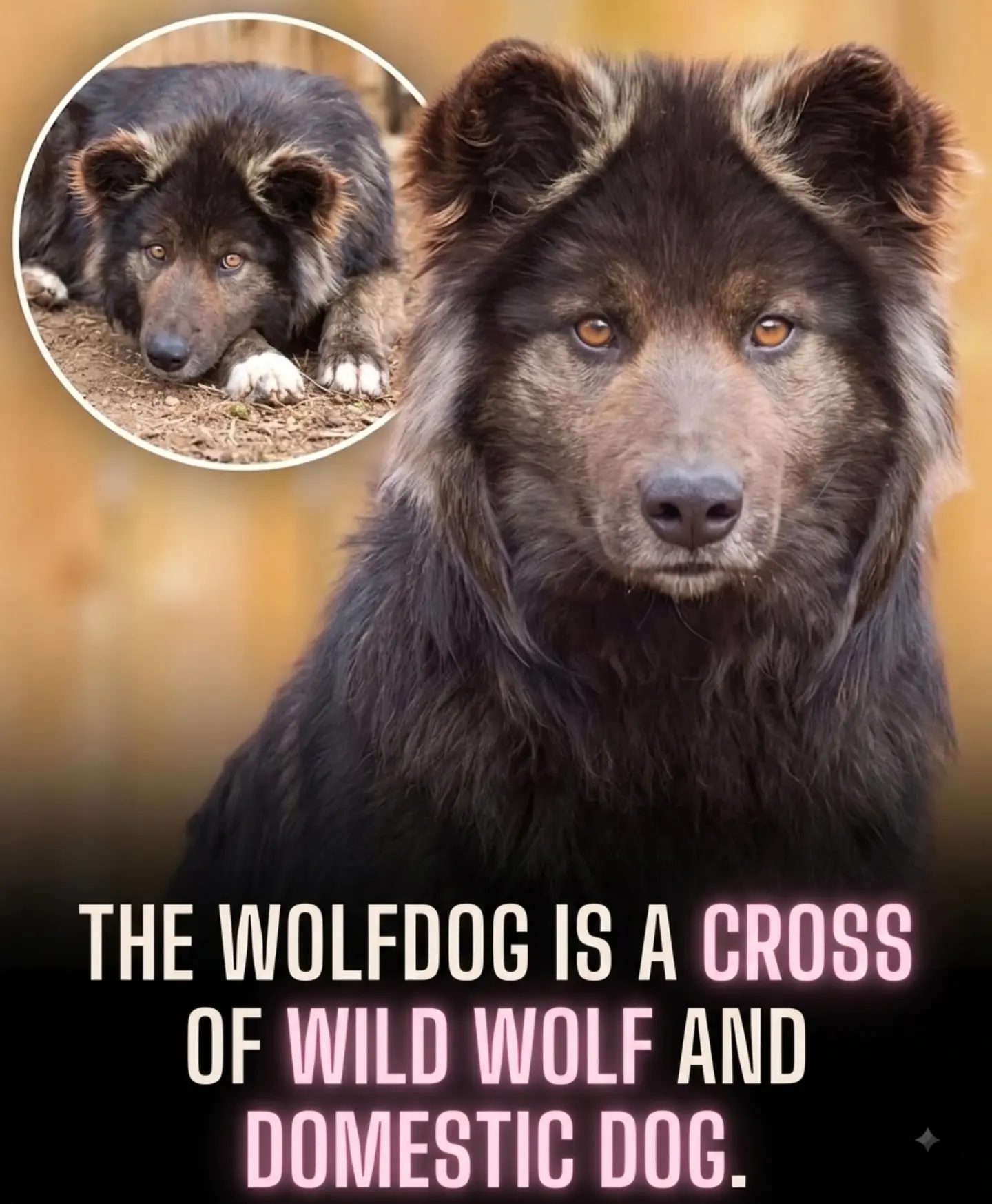
Wolfdogs: Facts and Considerations
Wolfdogs are fascinating creatures that often spark curiosity and debate. A wolfdog is a cross between a wild wolf and a domestic dog. These hybrids are typically a mix of wolves with breeds such as Huskies, Malamutes, or German Shepherds.
Context: Why Wolfdogs Matter
Wolfdogs have gained significant attention due to their unique characteristics and the controversies surrounding their ownership. Understanding wolfdogs involves delving into their physical traits, care requirements, and legal considerations. Unlike domestic dogs, wolfdogs have a unique set of needs and challenges that potential owners must be aware of.
Main Discussion
Physical Traits and Identification
One of the most striking features of wolfdogs is their appearance. They often exhibit a blend of traits from both wild wolves and domestic dogs. For example, they typically have pointed ears and a wolf-like snout, distinguishing them from domestic dogs. Real wolfdogs do not have the rounded, bear-like ears that are often seen in AI-generated images circling online.
Care and Handling
Caring for a wolfdog is far more demanding than caring for a typical domestic dog. Wolfdogs require a large amount of outdoor space to roam and exercise. They need special diets that cater to their higher energy needs and specific nutritional requirements. Expert handling is crucial, as wolfdogs can be more unpredictable and may display wild behaviors. Proper training and socialization are essential to ensure they can coexist safely with humans and other animals.
Legal and Ownership Considerations
The legal status of wolfdogs varies widely depending on the location. In some areas, they are treated as wild animals and are subject to strict regulations or even outright bans. In other places, they can be kept as pets with the proper permits and under specific conditions. It is essential to research and understand the local laws and regulations before considering ownership.
Breeds and Genetics
Wolfdogs can vary greatly in their genetic makeup, depending on the specific breeds used in their creation. For example, a wolf crossed with a Husky will have different traits than one crossed with a German Shepherd. The percentage of wolf content can also significantly impact a wolfdog's behavior and appearance. Higher wolf content generally means more wild traits and behaviors, which increases the complexity of care and handling.
Common Myths and Misconceptions
There are several myths and misconceptions about wolfdogs that often lead to confusion. One common myth is that all wolfdogs are aggressive and dangerous. While it's true that they can be more unpredictable than domestic dogs, proper care, training, and socialization can mitigate these risks. Another misconception is that they are easy to care for, like domestic dogs. This could not be further from the truth, as their unique needs require a high level of expertise and commitment.
Health and Lifespan
The health and lifespan of a wolfdog can be influenced by various factors, including genetics, diet, and living conditions. Like domestic dogs, they can be prone to certain health issues, but their wild heritage may make them more resilient to some diseases. Proper veterinary care and regular check-ups are essential to ensure their well-being. The average lifespan of a wolfdog can vary, but it is generally comparable to that of a large domestic dog, with many living between 10 to 15 years.
Practical Tips
Before You Consider Owning a Wolfdog
If you are considering owning a wolfdog, it is crucial to do thorough research and preparation. Here are some practical tips to help you get started:
- Research Local Laws: Understand the legal requirements and restrictions in your area. Some places may not allow wolfdogs at all, while others may require special permits.
- Assess Your Lifestyle: Wolfdogs need a lot of space, exercise, and specialized care. Ensure you have the time, resources, and living conditions to meet their needs.
- Find a Reputable Breeder: Look for a reputable breeder who prioritizes the welfare of the animals. Avoid supporting irresponsible breeding practices.
- Seek Professional Advice: Consult with veterinarians and experienced wolfdog owners to gain insights and practical advice on care and handling.
Daily Care and Maintenance
Providing for the daily needs of a wolfdog involves several critical aspects:
- Shelter and Space: Ensure they have a secure, large outdoor enclosure where they can run and play.
- Diet and Nutrition: Provide a balanced diet tailored to their nutritional needs, which may include raw meat, fresh vegetables, and supplements.
- Training and Socialization: Start training and socialization early to help them develop into well-behaved and socially adaptable animals.
Important Takeaways
- Wolfdogs are real and are a mix of wild wolves and domestic dogs.
- They require a significant amount of space, specialized diets, and expert handling.
- Legal status and ownership rules vary widely, so research local regulations carefully.
- Proper training and socialization are essential to manage their unpredictable nature.
Conclusion
Wolfdogs are unique and captivating animals that require a deep commitment and understanding from their owners. Their care involves a blend of wild and domestic considerations, making them a challenging but rewarding pets for those who are prepared. Whether you are considering ownership or simply intrigued by these fascinating creatures, it is crucial to understand their needs, legal status, and the responsibilities that come with caring for them.
Watch the Reel
Questions readers ask
What are the key physical differences between a wolf, a wolfdog, and a domestic dog?
Wolves and wolfdogs typically have larger, more robust builds, with longer legs and thicker fur compared to domestic dogs. They also have distinctive facial features, such as a more prominent snout and upright ears. Wolfdogs may exhibit a mix of these traits, depending on their genetic makeup. Additionally, wolfdogs often have the dense, double-layered coat of wolves, which is adapted for colder climates.
What are the most important considerations for wolfdog ownership?
Wolfdog ownership requires a deep understanding of their unique needs. This includes providing ample space, as they need room to roam and exercise. Wolfdogs also require specific diets, enrichment activities and mental stimulation to maintain their well-being. They have a strong prey drive and high energy levels, so secure fencing and vigilant supervision are crucial.
Which breeds are commonly used to create wolfdogs?
Breeds commonly crossed with wolves to create wolfdogs include Siberian Huskies, Alaskan Malamutes, and German Shepherds. These breeds are often chosen because they share some physical and behavioral traits with wolves, such as a strong prey drive, high energy levels, and a thick coat, which can help the wolfdog thrive in various environments.
What factors should I consider regarding the legal status of wolfdogs in my area?
The legal status of wolfdogs varies widely by location. Some areas have strict regulations or even outright bans on owning wolfdogs, while others may require specific permits or licenses. Research local laws and ordinances to ensure you are in compliance. Contacting local animal control or wildlife authorities can provide specific guidance tailored to your region.
How does the behavior of a wolfdog differ from that of a domestic dog?
Wolfdogs often exhibit more independent and sometimes unpredictable behavior compared to domestic dogs. They have a strong prey drive, which can lead to chasing small animals or even small children. Wolfdogs also have a strong pack instinct and may not be as obedient to commands, making training more challenging. They require a lot of space, mental stimulation, and social interaction to thrive.
What specific care requirements do wolfdogs have?
Wolfdogs require a lot of space, ideally a secure, large yard with high fences. They need a high-protein diet and plenty of mental and physical stimulation. Regular veterinary care is essential, but finding a vet experienced with wolfdogs can be challenging. Additionally, wolfdogs need consistent, patient training, and socialization, which can be more demanding than with domestic dogs.
Related deep dives
Similar reads based on topic and creator.




Recent articles
Fresh deep dives from the latest Reels we unpacked.




Comments
Be the first to comment.