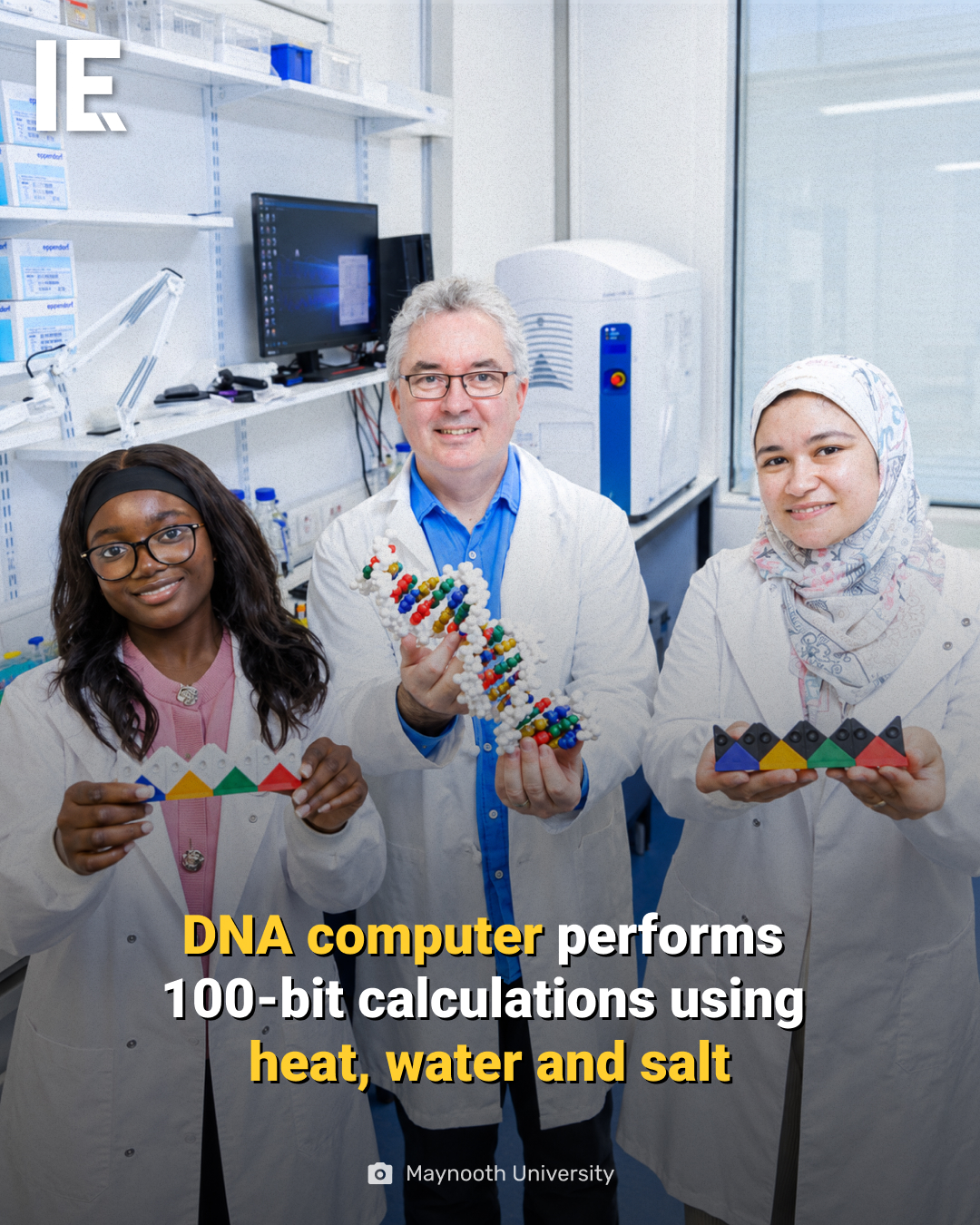
The Future of Computation: DNA Computers In Action
Science fiction has long explored exotic forms of computing, but in a lab at Maynooth University, researchers have moved a step closer to reality. The University's scientists have demonstrated a DNA computer performing 100-bit calculations. The principles are stark: heat, water, and salt facilitate computation.
What Exactly Is A DNA Computer
A DNA computer is more than a tiny microchip. Unlike a traditional silicon computer which uses electrical signals, a DNA computer uses DNA molecules to perform computations. These molecular systems can theoretically process vast amounts of data simultaneously, outpacing traditional computers in certain tasks. The University researchers showcased this distinction: DNA computers are naturally suited for solving specific types of complex problems. Their implementation of 100-bit calculations brings a glimpse into the enormous potential. DNA also remains more resilient and durable than silicon.
The Future of Computing Made Real
The demonstration showcases a trend towards biological computation. This is more than a curiosity of academia. As traditional silicon chips approach their physical and efficiency limits—DNA computation emerges as a promising frontier. Imagine molecular structures solving complex problems with an efficiency that silicon can’t match. The DNA computer at Maynooth signals broader implications. DNA computation — once abstract — has become visible, tangible. Despite the current limitations on scale and stability, each demonstration, such as the one at Maynooth, brings a recognizable step toward practical use. The world gears towards an era where biotechnology and computation intertwine, opening unprecedented computational horizons.
The Unique Architecture of DNA Computation
It All Happens at the Molecular Level
An advanced computational architecture is at play in a DNA computer. Unlike silicon, where transistors operate in a binary world of on and off, DNA computation happens through reactions between molecular strands. DNA sequences represent data, and molecular interactions represent computations. Excitingly, these reactions occur individually and in parallel, facilitating simultaneous computations on a larger scale.
The Chemical Cocktail That Powers The Operation
Distinctive elements such as heat, water, and salt drive these DNA reactions. The interplay between DNA strands and the chemical mixture is precise. Heat accelerates reactions, water binds strands, and salt enhances the overall milieu — creating a perfect molecular environment.
A Glimpse Into the Limitations and Challenges
Precision and stability, however, remain significant obstacles. DNA computers can be error prone with potential inaccuracies in reactions. The successful execution of 100-bit processes proves they can complete computation accurately. However, scaling to more significant computations will require considerable refinement. DNA computation still necessitates more reliable error correction methods, increased stability, and higher efficiency before reaching mainstream.
How You Can Engage With DNA Computation
Is DNA computation all academic? Not likely. It begins as an academic pursuit but can evolve into accessible technology. For those keen on the latest in tech and biotech:
- Learn the Basics: Start with online resources like YouTube tutorials, university courses and research papers. Understanding the fundamentals is critical to appreciating the potential.
- Follow Research: Keep updated with findings from institutions like Maynooth University. They have made strides in DNA computation, and their discoveries make this complex arena more accessible. Follow their research, participate in forums, and join webinars.
- Experiment: If you're hands on, and have a lab accessible, try a few basic DNA experiments. This could provide practical experience and a deeper grasp of the field.
Final Thoughts on The Molecular Revolution In Computation
DNA computation heralds the dawn of a new era in computing. The Maynooth demonstration marks a progression in molecular computing from theory to practice. The precision of 100-bit calculations, facilitated by water, heat, and salt, showcases an entirely new computational paradigm. As these molecular machines advance, the potential for unparalleled computational speeds and abilities becomes increasingly tangible. Researchers, innovators, and enthusiasts alike now have a tangible glimpse into the molecular revolution in computation.
Watch the Reel
Questions readers ask
What exactly makes a DNA computer different from traditional computers?
DNA computers use DNA molecules to perform computations instead of electrical signals used in traditional silicon computers. This allows them to process vast amounts of data simultaneously and solve specific complex problems more efficiently than traditional computers. The demonstration at Maynooth University highlighted this by successfully performing 100-bit calculations.
How do DNA computers perform calculations using heat, water, and salt?
In a DNA computer, heat accelerates molecular reactions, water helps bind DNA strands, and salt enhances the overall environment for these reactions. These elements work together to facilitate the computations at a molecular level, where DNA sequences represent data and molecular interactions represent computations.
Can DNA computers outperform traditional computers in all tasks?
DNA computers have the potential to outpace traditional computers in certain tasks, particularly those involving complex problem-solving and large-scale data processing. However, they are not universally superior. Traditional computers still excel in many areas, and DNA computers face challenges in terms of precision, stability, and error correction.
Why is the demonstration of a 100-bit calculation significant?
The 100-bit calculation performed by the DNA computer at Maynooth University is significant because it showcases the potential of DNA computation in handling complex tasks. It also marks a step towards overcoming the physical and efficiency limits of traditional silicon chips, paving the way for more advanced and efficient computational methods.
What are the main challenges facing DNA computers today?
The main challenges include precision and stability. DNA computers can be error-prone, and scaling up from 100-bit calculations to more significant computations will require considerable refinement. Additionally, more reliable error correction methods, increased stability, and higher efficiency are needed before DNA computers can reach mainstream use.
How durable are DNA computers compared to traditional silicon computers?
DNA computers are more resilient and durable than silicon computers. DNA molecules can withstand harsh environments and have a longer lifespan, making them potentially more robust for certain applications. This durability is one of the key advantages highlighted in the demonstration at Maynooth University.
Related deep dives
Similar reads based on topic and creator.


Recent articles
Fresh deep dives from the latest Reels we unpacked.
Comments
Be the first to comment.