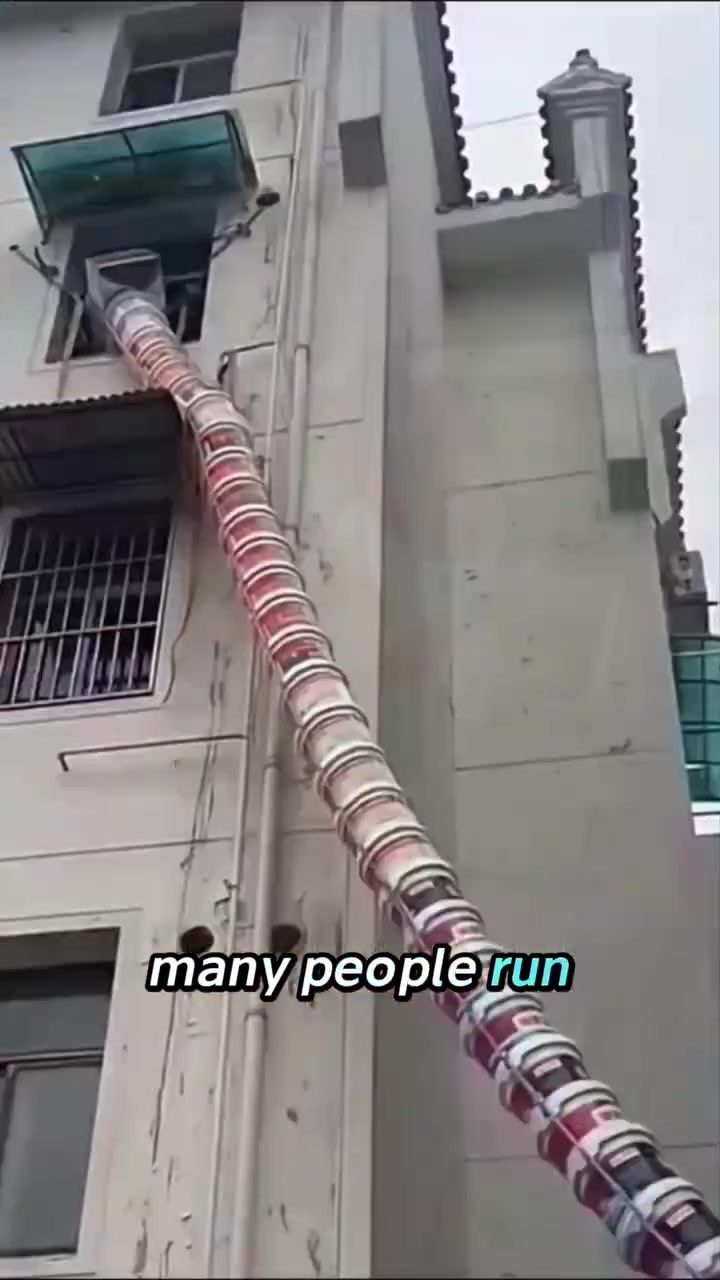
Utilizing Discarded Plastic Barrels for Efficient Construction Waste Management
Renovating older apartment buildings presents unique challenges, especially when it comes to managing construction waste. Without an elevator, workers often face the daunting task of manually carrying heavy bags of debris down floor by floor. This process is both time-consuming and physically exhausting. However, a creative solution using discarded plastic barrels can significantly improve efficiency and environmental sustainability.
Why This Matters
Efficient waste management is crucial in construction and renovation projects, particularly in older buildings lacking elevators. Traditional methods of waste removal can slow down progress and increase labor costs. Finding innovative solutions to these challenges not only speeds up the renovation process but also contributes to a more sustainable construction industry.
Innovative Waste Management with Plastic Barrels
The Problem with Traditional Waste Removal
Manually transporting construction waste down multiple floors is a labor-intensive process. Workers must carry heavy bags of debris, which can lead to accidents and increased fatigue. This method is also inefficient, as it requires a significant amount of time and manpower. Additionally, the repeated lifting and carrying of heavy items can lead to injuries, further complicating an already demanding job.
The Solution: Repurposed Plastic Barrels
To address this problem, a young innovator came up with a clever solution using discarded plastic barrels. By cutting the bottoms off the barrels and connecting them, a sturdy chute is created. This chute can be positioned between a window and a waste collection truck, allowing workers to shovel broken bricks, concrete, and other debris directly into the truck. Gravity does the rest of the work, efficiently transporting the waste without the need for manual labor.
Setting Up the Chute
The process of setting up the chute is straightforward. One end of the chute is attached to a window, while the other end is positioned above the waste collection truck. Workers can then shovel the construction debris into the chute, and it will slide directly into the truck below. This method not only speeds up the waste removal process but also reduces the physical strain on workers.
Boosting Efficiency
Compared to manual waste removal, this method significantly boosts efficiency. By utilizing gravity to move the waste, workers can focus on other tasks, reducing the overall time required for the renovation project. This efficiency gain is particularly beneficial in multi-story buildings where elevators are not an option.
Environmental Benefits
In addition to improving efficiency, this method is also environmentally friendly. By repurposing discarded plastic barrels, the solution reduces the amount of plastic waste that would otherwise end up in landfills. This aligns with sustainable construction practices, which aim to minimize waste and promote the reuse of materials.
Practical Tips for Implementing a Waste Chute
Selecting the Right Materials
When building a waste chute, it's essential to choose sturdy, durable materials. Discarded plastic barrels are an excellent choice due to their durability and availability. Ensure that the barrels are clean and free of any sharp edges that could cause injuries.
Safety Considerations
Safety is a top priority when working with construction equipment. Ensure that the chute is securely attached to both the window and the waste collection truck to prevent accidents. Workers should also wear appropriate protective gear, including gloves and safety glasses, to handle the debris safely.
Proper Disposal of Waste
Even with an efficient waste removal system, it's crucial to dispose of the construction debris responsibly. Work with local waste management services to ensure that the waste is properly sorted and disposed of, minimizing the environmental impact.
Maintenance and Upkeep
Regular maintenance of the waste chute is necessary to ensure its longevity and effectiveness. Inspect the chute for any signs of wear and tear, and repair or replace it as needed. Keeping the chute clean and free of debris will also help maintain its efficiency.
Important Takeaways
Managing construction waste in older buildings without elevators can be challenging, but innovative solutions like repurposed plastic barrels can make a significant difference. By creating a chute that utilizes gravity, workers can efficiently and safely remove construction debris, boosting productivity and reducing labor strain. Additionally, this method is environmentally friendly, promoting the reuse of materials and minimizing waste. By following practical tips and safety guidelines, anyone can implement this solution to streamline their renovation projects.
Conclusion
Renovating older apartment buildings doesn't have to be a daunting task when it comes to waste management. Utilizing discards plastic barrels to create a gravity-fed waste chute is a practical, efficient, and environmentally conscious solution. This method not only speeds up the renovation process but also minimizes the physical strain on workers and reduces the environmental impact. By embracing innovative ideas and sustainable practices, the construction industry can continue to evolve and improve, making projects more efficient and eco-friendly.
Watch the Reel
Questions readers ask
How does a DIY plastic barrel waste chute help in building renovations?
A DIY plastic barrel waste chute facilitates efficient disposal of construction debris, allowing workers to send waste down to the ground floor without manual carrying. This speeds up the renovation process, reduces labor costs, and minimizes the physical strain on workers.
What types of buildings benefit most from a plastic barrel waste chute?
Older buildings, especially those lacking elevators, benefit the most. These structures often face challenges in waste management due to the difficulty of transporting debris down multiple flights of stairs.
Can any plastic barrel be used to create a waste chute?
While many plastic barrels can be repurposed, it's important to choose sturdy, food-grade barrels to ensure durability and safety. Barrels should be clean, dry, and free of any harmful residues. Avoid barrels that previously held hazardous materials.
What are the steps to set up a plastic barrel waste chute?
To set up a plastic barrel waste chute, first, cut a hole in the bottom of each barrel. Secure the barrels together vertically, ensuring they are stable and aligned. Place the chute in a designated area, and guide the debris down through the barrels.
What types of waste can be disposed of using a barrel waste chute?
A barrel waste chute is suitable for disposing of general construction debris such as drywall, wood scraps, and other non-hazardous materials. Avoid disposing of heavy, sharp, or hazardous materials that could damage the chute or pose a safety risk.
How does using a plastic barrel waste chute contribute to environmental sustainability?
By repurposing discarded plastic barrels, you reduce waste and promote recycling. Additionally, the efficient disposal of construction debris means less time and resources are spent on manual waste removal, contributing to overall sustainability.
Are there any safety considerations when using a DIY waste chute?
Safety is paramount. Ensure the chute is securely fastened to prevent it from toppling over. Regularly inspect the chute for any signs of wear or damage that could compromise its structural integrity. Additionally, always follow proper waste disposal guidelines to avoid accidents and injuries.
Recent articles
Fresh deep dives from the latest Reels we unpacked.




Comments
Be the first to comment.