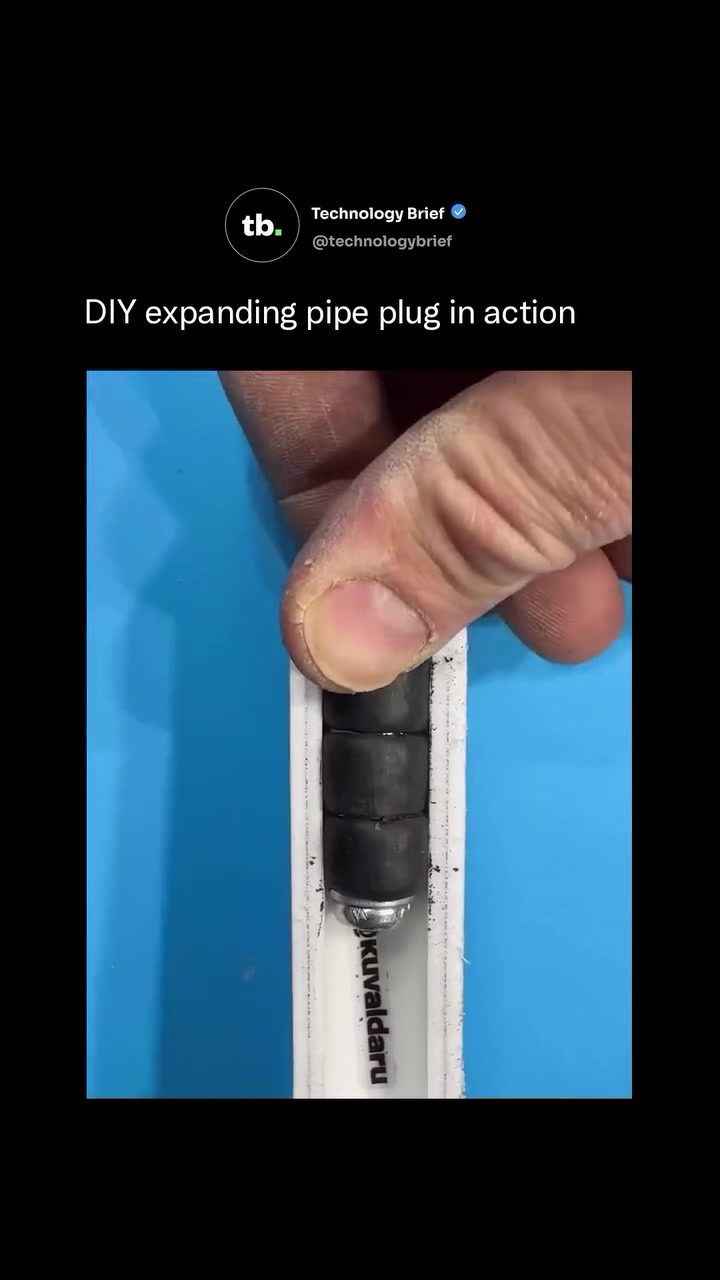
Expanding Pipe Plugs: DIY Solution for Tight Seals
Expanding pipe plugs are versatile tools that allow plumbers and homeowners to create a watertight seal in pipes without needing to shut off the water supply. These ingenious devices are particularly useful for adding new fittings or taps to live pipes, making them indispensable for various plumbing tasks. A DIY expanding pipe plug typically consists of a rubber stopper, a threaded bolt, and a couple of metal plates. The mechanism ensures a tight seal, making it a practical solution for pressure testing, isolating pipe sections for repairs, or installing new fittings without disrupting the entire water flow.
Context / Why this matters
Plumbing repairs and installations often require significant downtime, especially when dealing with water supply systems. Traditional methods of shutting off the water supply and draining the entire system can be cumbersome and inconvenient. Expanding pipe plugs offer a more streamlined solution by allowing work to be done on live pipes. This innovation is not just about convenience; it's about efficiency and minimizing disruption, making it a valuable tool for both professional plumbers and DIY enthusiasts.
Main discussion
How Expanding Pipe Plugs Work
The principle behind an expanding pipe plug is straightforward yet effective. The process begins by sliding a rubber stopper onto a threaded bolt. This assembly is then inserted into an open pipe. As the metal fitting is tightened, the rubber stopper compresses and bulges outward, pressing firmly against the inner walls of the pipe. This compression creates a watertight seal, effectively blocking water flow through the pipe.
Basic Materials
The homemade version of an expanding pipe plug uses basic and readily available materials:
- Rubber Stopper: This acts as the sealing element.
- Threaded Bolt: This provides the mechanism for compression.
- Metal Plates: These distribute the pressure evenly, ensuring a tight seal.
Professional Applications
The same principle is used in professional settings, where expanding pipe plugs are employed for various purposes:
- Pressure Testing: Ensuring drain and water lines can withstand the necessary pressure.
- Isolating Pipe Sections: Repairing or replacing a section of pipe without affecting the entire system.
- Installing New Fittings: Adding new valves or taps without cutting off the water supply to the entire system.
Commercial Versions
Commercial versions of expanding pipe plugs are designed to handle significant water pressure, typically up to around 65 PSI. They are available in various sizes, fitting pipes ranging from half an inch to two inches in diameter. These commercial products are often made from durable materials and designed for repeated use. However, they can be relatively expensive and less accessible for occasional DIY projects.
DIY vs. Commercial Plugs
While commercial expanding pipe plugs offer durability and reliability, the DIY version has its advantages. Using a rubber stopper, a threaded bolt, and a couple of metal plates, a homemade expanding pipe plug can be assembled with basic materials. This makes it a cost-effective solution for one-off projects or occasional use.
Reusable Components
One of the key benefits of a DIY expanding pipe plug is its reusability. After use, the plug can be disassembled in a vise, separating the rubber from the bolt. Both components can then be reused, making the DIY version a practical and economical choice. This contrasts with the older trick of using bread dough to temporarily block pipe flow, which is less reliable and much messier.
Practical tips
Assembling a DIY Expanding Pipe Plug
Creating a DIY expanding pipe plug is a simple process that requires minimal tools and materials. Here’s a step-by-step guide:
- Gather Materials: Collect a rubber stopper, a threaded bolt, and a couple of metal plates.
- Slide the Stopper: Place the rubber stopper onto the threaded bolt.
- Insert into Pipe: Insert the assembly into the open end of the pipe.
- Tighten the Fitting: Use a metal fitting to tighten the bolt, compressing the rubber stopper and creating a watertight seal.
- Disassemble and Reuse: After use, disassemble the plug in a vise to separate the rubber from the bolt for reuse.
Ensuring a Tight Seal
To ensure a tight seal, it's crucial to:
- Choose the Right Materials: Use a high-quality rubber stopper and sturdy metal plates to withstand pressure.
- Tighten Properly: Over-tightening can damage the rubber, while under-tightening may result in a leak. Find the right balance.
- Inspect Regularly: If using the plug for extended periods, inspect it regularly to ensure the seal remains intact.
Safety Precautions
When working with live pipes, follow these safety guidelines:
- Wear Protective Gear: Use gloves and safety glasses to protect against potential hazards.
- Work in a Well-Ventilated Area: Ensure proper ventilation to avoid inhaling any fumes or debris.
- Follow Local Regulations: Always comply with local plumbing codes and regulations to avoid legal complications.
Important takeaways
Expanding pipe plugs, whether DIY or commercial, are invaluable tools for plumbing tasks that require a watertight seal without shutting off the water supply. By using a rubber stopper, threaded bolt, and metal plates, a DIY version can be created for a fraction of the cost of commercial products. This method not only saves money but also ensures that components can be reused, making it a sustainable and practical choice. Whether for pressure testing, isolating pipe sections, or installing new fittings, expanding pipe plugs offer an efficient and reliable solution for various plumbing needs.
Conclusion
Expanding pipe plugs are a game-changer in the world of plumbing, offering a convenient and efficient way to create watertight seals in live pipes. By understanding the basic mechanism and materials involved, both professional plumbers and DIY enthusiasts can benefit from this innovative tool. Whether opting for a commercial version or assembling a DIY solution, expanding pipe plugs provide a reliable method for various plumbing tasks, ensuring minimal disruption and maximum efficiency.
Watch the Reel
Questions readers ask
What materials are needed to create a DIY expanding pipe plug?
To create a DIY expanding pipe plug, you will need a rubber stopper, a threaded bolt, and two metal plates. These common household items can be easily assembled to form an effective pipe seal.
Can an expanding pipe plug be used for pressure testing?
Yes, an expanding pipe plug is an excellent tool for pressure testing pipes. Its watertight seal allows you to pressurize the pipe system to check for leaks or to test the integrity of the plumbing without shutting off the water supply.
How does an expanding pipe plug create a watertight seal?
The expanding pipe plug creates a watertight seal through a simple mechanism. As the bolt is tightened, the metal plates press against the rubber stopper, causing it to expand and fill the pipe, effectively blocking the flow of water and creating a tight seal.
Is it possible to install new fittings using an expanding pipe plug?
Absolutely. One of the key benefits of using an expanding pipe plug is the ability to install new fittings or taps in live pipes. By creating a temporary seal, you can work on the pipe without disrupting the entire water supply, making the process more convenient and efficient.
What are the advantages of using a DIY expanding pipe plug for plumbing repairs?
Using a DIY expanding pipe plug for plumbing repairs offers several advantages. It allows you to isolate specific pipe sections for repairs, install new fittings, or conduct pressure tests without shutting off the water supply, thus saving time and minimizing disruption.
Can an expanding pipe plug be used for temporary pipe stoppers?
Yes, an expanding pipe plug is ideal for creating temporary pipe stoppers. Its adjustable design allows you to plug pipes of various sizes temporarily, making it a versatile tool for different plumbing tasks and emergencies.
How do I ensure a secure fit when using an expanding pipe plug?
To ensure a secure fit, make sure the rubber stopper is the correct size for your pipe and that the metal plates are properly aligned. Tighten the bolt gradually, checking the seal as you go, to ensure it expands evenly and creates a watertight barrier.
Recent articles
Fresh deep dives from the latest Reels we unpacked.




Comments
Be the first to comment.