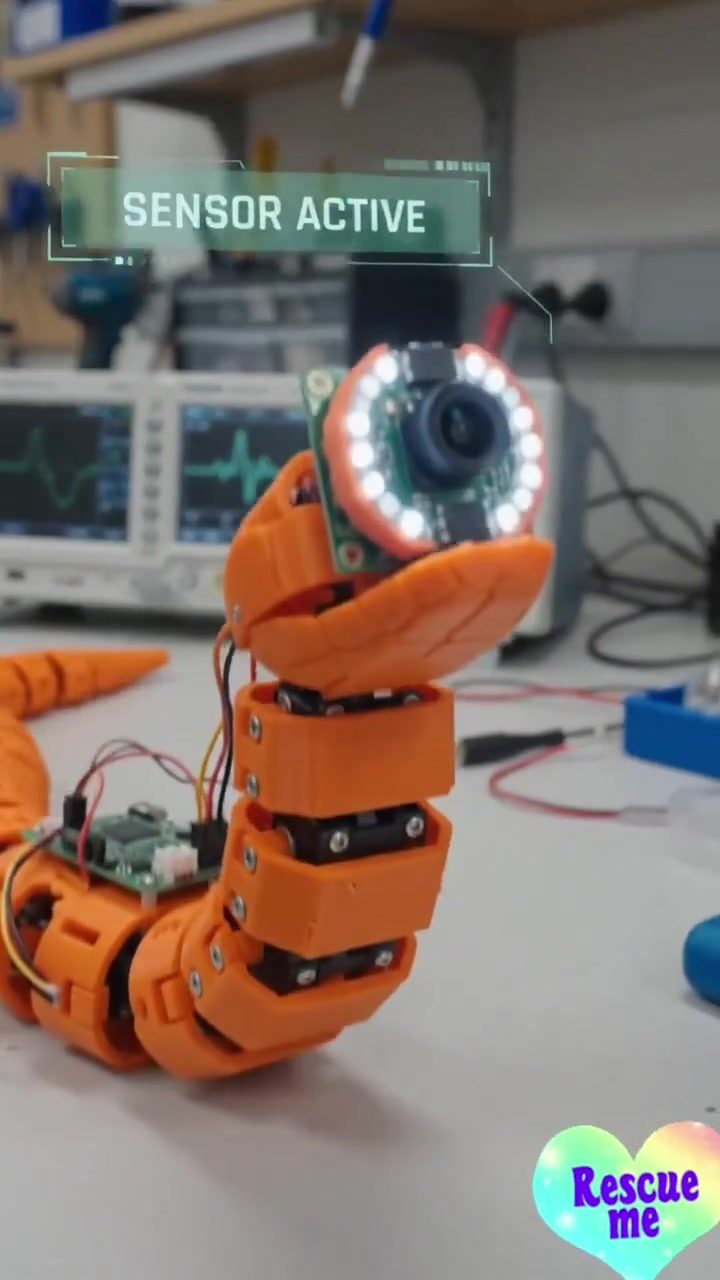
Robotic Snake Rescue
In the aftermath of an earthquake, navigating through rubble to find survivors can be a treacherous and time-consuming task for rescue teams. This is where robotic snakes, like the Project Serpent Snake Bot, come into play. These ingenious machines are designed to navigate through the most challenging environments to locate survivors and gather crucial data.
Why This Matters
Earthquakes are unpredictable and can cause widespread devastation, making it difficult for rescuers to reach those in need. Robotic snakes, with their ability to maneuver through tight spaces and hazardous areas, offer a safer and more efficient way to assess the situation and locate survivors.
Features of the Project Serpent Snake Bot
Live Video Feed
One of the standout features of a robotic snake like Project Serpent is its live video feed. Equipped with a pi camera, this bot provides real-time visuals of the environment it traverses. This allows rescue teams to see what the robot sees, making it easier to assess the conditions and locate survivors.
Sensing Capabilities
Project Serpent is more than just a camera on wheels (or scales). It's equipped with various sensors that detect gas levels, temperature, and even signs of life. Methane detection, for instance, is crucial for identifying potential hazards, such as gas leaks, which can be life-threatening for rescuers and survivors alike.
Besides methane, temperature readings are also vital. They can help rescuers understand the environmental conditions and assess the likelihood of survivors in specific areas. For example, a sudden drop in temperature might indicate a collapsed structure, while a steady temperature could suggest a more stable environment.
Environment Assessment
The robotic snake's sensors work together to provide a comprehensive assessment of the environment. This includes detecting signs of life, which could be anything from a faint heartbeat to a slight movement. By gathering this data, rescue teams can prioritize their efforts and focus on areas where survivors are most likely to be found.
Communication and Control
The snake bot establishes a peer-to-peer (P2P) link, enabling real-time communication and control. This means that rescue teams can direct the robot's movements and receive live updates, making the rescue mission more efficient and effective.
Practical Tips for DIY Robotic Snake Projects
If you're interested in building your own robotic snake for disaster rescue, here are some practical tips to help you get started:
Choosing the Right Components
Selecting the right components is crucial for the success of your project. For live video feed, a pi camera is a popular choice due to its affordability and compatibility with various robotic platforms. For sensors, consider using methane and temperature sensors, as well as any additional sensors that might be relevant to your specific use case.
Programming the Robot
Programming a robotic snake involves writing code to control its movements, process sensor data, and transmit live video. Python is a popular choice for robotic programming due to its simplicity and the availability of libraries for controlling hardware components. Make sure to write and test your code thoroughly to ensure the robot functions as intended.
Testing and Iteration
Before deploying your robotic snake in a real-world scenario, it's essential to thoroughly test it. This includes testing its navigation abilities, sensor accuracy, and communication systems. Iterate on your design based on your test results, and make necessary adjustments to improve performance.
Important Takeaways
Robotic snakes, like the Project Serpent Snake Bot, are powerful tools for disaster rescue. Here are some key takeaways to remember:
Efficiency and Safety
Robotic snakes can navigate through hazardous environments more safely and efficiently than human rescuers. This not only speeds up the rescue process but also minimizes the risk to human life.
Data Collection
The sensors and live video feed of a robotic snake provide valuable data that can help rescue teams make informed decisions. This data can be used to assess the environment, prioritize rescue efforts, and locate survivors.
Conclusion
Robotic snakes, like the Project Serpent Snake Bot, are revolutionizing disaster response. With their ability to navigate through challenging environments and gather crucial data, these robots are invaluable tools for rescue teams. Whether you're a professional engineer or a DIY enthusiast, building a robotic snake can be a rewarding and impactful project. As technology continues to advance, we can expect to see even more innovative applications of robotic snakes in disaster response and other areas.
Watch the Reel
Questions readers ask
Why are robotic snakes like the Project Serpent Snake Bot useful in earthquake rescue missions?
Robotic snakes are useful because they can navigate through tight spaces and hazardous areas that are often inaccessible to human rescuers. They help assess the situation and locate survivors more efficiently after an earthquake.
What kind of sensors does the Project Serpent Snake Bot have?
The Snake Bot is equipped with real-time video, gas, and temperature sensors. These sensors allow it to gather crucial data about the environment and conditions within the rubble, aiding in the rescue efforts.
How does the Project Serpent Snake Bot enhance safety during disaster response?
The Project Serpent Snake Bot enhances safety by providing a means to assess dangerous or unstable areas without putting human lives at risk. Its ability to maneuver through rubble and gather data remotely helps keep rescuers out of harm's way.
Can the Project Serpent Snake Bot be built as a DIY project?
Yes, the Project Serpent Snake Bot is designed with DIY enthusiasts in mind. There are resources available to help you build your own robotic snake for disaster response, making it accessible for those interested in contributing to rescue efforts through robotics.
What makes the live video feed on the Project Serpent Snake Bot significant?
The live video feed is significant as it provides real-time visual information from the disaster site. This allows rescue teams to make informed decisions and plan their operations more effectively, even when direct access to the site is not possible.
How does the Project Serpent Snake Bot improve the efficiency of disaster response efforts?
The Snake Bot improves efficiency by quickly navigating through rubble and providing immediate data and visuals. This helps rescue teams prioritize their efforts, allocate resources more effectively, and potentially save more lives in a shorter amount of time.
What are the key advantages of using a robotic snake for earthquake response compared to other rescue robots?
Robotic snakes like the Project Serpent Snake Bot have the advantage of being able to squeeze through tight spaces and navigate complex terrain, which other robots may not be able to do. Their flexibility and maneuverability make them ideal for the unpredictable environments found in earthquake rubble.
Related deep dives
Similar reads based on topic and creator.


Recent articles
Fresh deep dives from the latest Reels we unpacked.




Comments
Be the first to comment.