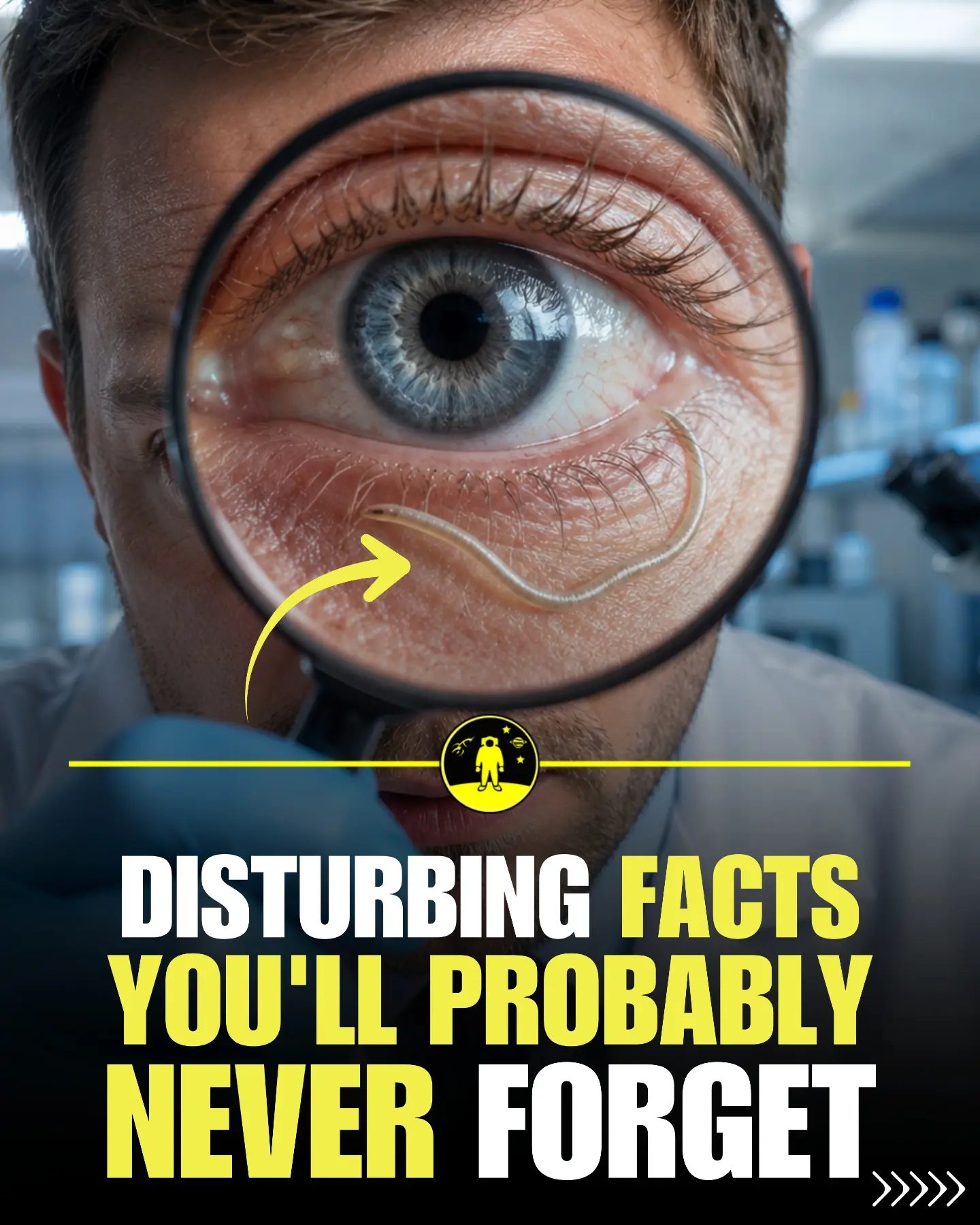
Disturbing Facts About Human Body
The human body is a marvel of biological engineering, but it also harbors some unsettling truths. From the microscopic organisms living on our skin to the sheer volume of skin we shed over a lifetime, these facts can be both fascinating and disturbing. Let's delve into some of these realities, distinguishing well-established facts from sensational claims.
Why This Matters
Understanding the human body in detail helps us appreciate the complexity of our biological systems. By separating fact from fiction, we can better comprehend our health and the natural processes that occur within us. This knowledge can also dispel myths and misconceptions that often circulate online.
The Remarkable Lung Structure
One of the most astonishing features of the human body is the lung structure. The lungs are composed of millions of tiny air sacs called alveoli, which provide an enormous surface area for the exchange of oxygen and carbon dioxide. This surface area is often compared to that of a tennis court, highlighting the efficiency of our respiratory system. This intricate design allows for optimal gas exchange, which is crucial for sustaining life.
Demodex Mites: Your Unseen Companions
Microscopic organisms called Demodex mites live harmlessly on the skin and in the eyelashes of many adults. These mites are a normal part of the human microbiome and usually cause no symptoms. They are so small that they cannot be seen with the naked eye, and their presence is generally benign. However, the thought of these tiny creatures residing on our skin can be unsettling, even if they are a natural part of our ecosystem.
The Skin Shedding Process
Over the course of a lifetime, humans continuously shed skin cells as part of the body's natural renewal process. The amount of skin shed over several decades can amount to many kilograms. This shedding process is constant and plays a crucial role in maintaining healthy skin. The continuous shedding of skin cells helps remove dead cells and promotes the growth of new, healthy skin. However, the sheer volume of skin shed can be a sobering thought.
The Loa loa Parasitic Worm
While Demodex mites are generally harmless, other parasites can pose more significant health risks. The Loa loa parasitic worm is a genuine tropical parasite that can migrate through tissues and occasionally pass across the eye in infected individuals. This parasite is relatively uncommon and is limited to specific regions. However, its presence serves as a reminder of the potential dangers lurking in the natural world.
Unverified Claims
It's important to treat some widely repeated claims with caution. For instance, the claim that serial killer Joe Metheny served human meat in burgers remains unverified and is not supported by reliable evidence. Such sensational claims often circulate online, and it is crucial to distinguish between verified facts and unverified rumors. Always seek reliable sources and scientific evidence to ensure accuracy.
The Human Volume
Another startling comparison is that if the combined volume of all living humans were compressed together, it would occupy a surprisingly small space relative to Earth's size, roughly on the scale of a large urban park. This visualization highlights the relatively small amount of space humans occupy on Earth, despite our significant impact on the planet.
Practical Tips
While the facts about the human body can be unsettling, there are practical takeaways to consider:
- Maintain Good Hygiene: Practices such as regular washing and maintaining cleanliness can help manage the presence of mites and other microorganisms on the skin.
- Stay Informed: Be skeptical of unverified claims and rely on credible sources for health and biological information.
- Understand Natural Processes: Recognize that many of the unsettling facts about the human body are part of natural processes essential for our health and well-being.
Important Takeaways
The human body is a complex and fascinating system with many remarkable features and processes. Some of these facts can be unsettling, but they are grounded in biology, medicine, and physics. By separating well-established facts from sensational claims, we can better understand our bodies and the world around us. Whether it's the efficiency of our lungs, the presence of Demodex mites, or the sheer volume of skin we shed, these facts highlight the intricate and sometimes disturbing realities of human biology.
Conclusion
The human body is a wondrous machine, but it is also host to some unsettling truths. From the microscopic organisms that live on our skin to the vast amount of skin we shed, these facts are grounded in science and biology. By understanding these realities, we can better appreciate the complexity of our bodies and the natural world. Always seek reliable information and separate fact from fiction to gain a clearer understanding of the amazing and sometimes disturbing world of human biology.
Watch the Reel
Questions readers ask
What types of microscopic organisms live on the human body?
The human body hosts a variety of microscopic organisms, including bacteria, fungi, and mites. For instance, Demodex mites are commonly found in hair follicles and can even be present on eyelashes. These organisms are typically harmless and play roles in maintaining skin health, such as breaking down dead skin cells.
How much skin does a person shed in their lifetime?
An average person sheds about 1.5 pounds (or 0.7 kilograms) of dead skin cells each year. Given the average lifespan, this amounts to roughly 105 pounds (or 48 kilograms) of skin shed over 70 years. This process is a natural part of skin renewal and is usually unnoticed until the skin cells accumulate in dust around the house.
What are the effects of skin mites on humans?
Skin mites, like Demodex, generally do not cause harm to humans. They feed on sebum, an oily substance produced by our skin, and can be found in small numbers on most adults. However, in some individuals, these mites can cause issues like rosacea or folliculitis, although this is not common.
What are the processes involved in human body shedding skin?
Skin shedding, or desquamation, is a natural process where the outermost layer of the skin, the stratum corneum, is continuously replaced. This process involves the production of new skin cells from the innermost layer of the epidermis, which gradually push the older cells to the surface. Eventually, these cells are shed, contributing to the renewal of the skin.
What are the health implications of microscopic organisms in the body?
While many microscopic organisms in the body are harmless and can even be beneficial, others can cause infections or diseases. For example, certain bacteria can lead to skin conditions like acne, while fungi can cause infections such as athlete's foot. Maintaining good hygiene and a healthy immune system can help manage these organisms and prevent issues.
Are there any other disturbing facts about the human body?
The human body contains several other unsettling facts, such as the presence of tiny organisms in the gut that aid in digestion and the constant renewal of cells in the body. For example, the lining of the stomach is completely replaced every few days to protect against digestive acids. Additionally, the adult body contains around 30 trillion red blood cells, which are recycled every 4 months.
What are some common myths about the human body?
There are many misconceptions about the human body, such as the idea that we only use 10% of our brain or that hair and nails continue to grow after death. These myths often circulate without scientific basis. Understanding well-established facts can help dispel these myths and provide a clearer picture of our biological systems.
Related deep dives
Similar reads based on topic and creator.




Recent articles
Fresh deep dives from the latest Reels we unpacked.




Comments
Be the first to comment.