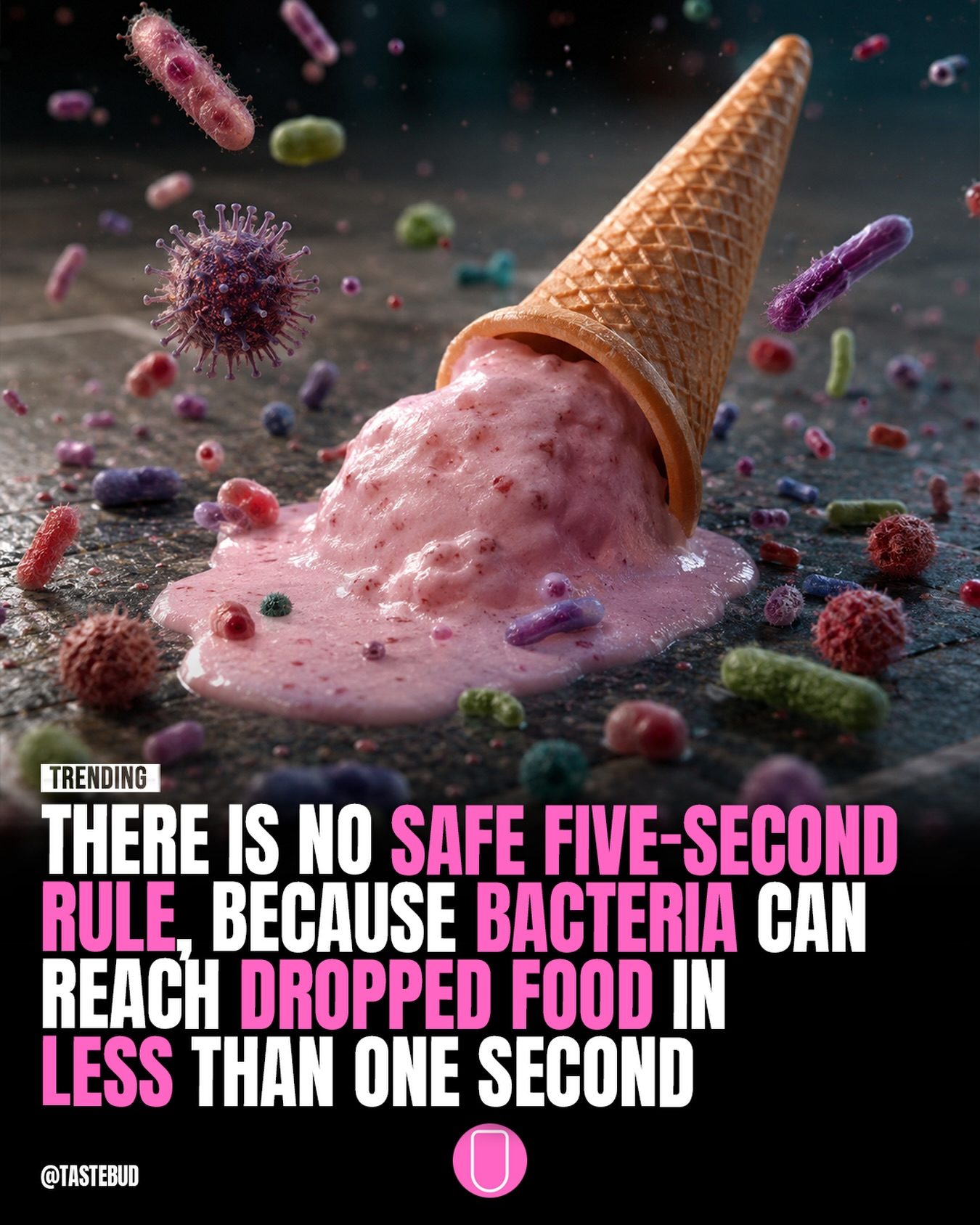
The Five-Second Rule: A Common Food Safety Myth
The five-second rule is a widely accepted belief that food dropped on the floor is safe to eat if picked up within five seconds. However, this rule is a myth; several studies have shown that bacteria can transfer to food almost instantly, depending on the surface and conditions. Let's explore why the five-second rule isn't a reliable guideline.
Why This Matters
Understanding the truth behind the five-second rule can help prevent foodborne illnesses. Bacteria present on surfaces can contaminate food quickly, and consuming contaminated food can lead to various health issues, such as food poisoning. By learning the facts, one can make more informed decisions about food safety in their daily lives.
The Science Behind Food Contamination
Bacteria contamination of food is faster than many people realize. Several factors influence how quickly bacteria can contaminate food, including the type of surface, the moisture content of the food, and the type of bacteria present. Let's break down these factors.
Surface Type
The type of surface on which food is dropped plays a significant role in determining how quickly bacteria can contaminate it. Some surfaces, such as carpets or rugs, can harbor more bacteria than others, like hardwood floors or tile. Research has shown that bacteria can transfer to food more easily from porous surfaces compared to non-porous ones.
Moisture Content
Moist foods, such as ice cream cones and fresh produce, are more likely to pick up germs quickly compared to dry foods. This is because bacteria thrive in moist environments and can adhere more easily to wet surfaces. For example, a fallen strawberry ice cream cone is more likely to pick up bacteria from a surface than a dry cracker.
Time Factor
The misconception about the five-second rule suggests that a few seconds won't make a difference in contamination. However, studies have shown that bacteria can contaminate food in less than one second. The longer food sits on a contaminated surface, the higher the risk of contamination, but even a brief contact can be risky.
The Role of Bacteria
Bacteria are microorganisms that can cause foodborne illnesses. Some common bacteria found on surfaces that can contaminate food include:
- E. coli: Often found in raw or undercooked meat, unpasteurized milk, and contaminated water. It can cause severe abdominal cramps, diarrhea, and vomiting.
- Salmonella: Found in raw or undercooked poultry, eggs, and meat, as well as unwashed fruits and vegetables. It can cause symptoms such as diarrhea, fever, and abdominal cramps.
- Staphylococcus aureus: Found in raw or undercooked meat, poultry, and eggs, as well as on contaminated surfaces. It can cause symptoms such as nausea, vomiting, and diarrhea.
- Listeria monocytogenes: Found in raw or undercooked meat, poultry, and seafood, as well as in unpasteurized dairy products. It can cause symptoms such as fever, muscle aches, and gastrointestinal symptoms.
Practical Tips
When it comes to food safety, it's essential to follow a few practical tips to minimize the risk of contamination:
Avoid the Five-Second Rule
Rather than relying on the five-second rule, it's best to avoid eating food that has fallen on the floor. If you must pick up the food, inspect the surface and consider whether it's worth the risk.
Wash Hands Thoroughly
Always wash your hands thoroughly before handling or preparing food. This can help prevent the transfer of bacteria from your hands to the food.
Clean Surfaces Regularly
Regularly clean and disinfect surfaces in your kitchen and other areas where food is prepared or consumed. This can help reduce the number of bacteria present and minimize the risk of contamination.
Important Takeaways
Food contamination is a serious issue, and relying on the five-second rule is not a reliable safety guideline. Bacteria can contaminate food almost instantly, and the risk of contamination depends on various factors, including the type of surface, the moisture content of the food, and the type of bacteria present. Following practical tips, such as avoiding the five-second rule, washing hands thoroughly, and cleaning surfaces regularly, can help minimize the risk of foodborne illnesses.
Conclusion
The five-second rule is a common misconception about food safety. By understanding the facts, we can make more informed decisions about the food we eat and reduce the risk of foodborne illnesses. Next time you drop an ice cream cone, remember that bacteria can contaminate food in less than one second, and consider whether it's worth the risk.
Watch the Reel
Questions readers ask
Is the five-second rule a reliable guideline for food safety?
No, the five-second rule is not a reliable guideline. Bacteria can contaminate food almost instantly upon contact with a surface, regardless of how quickly it is picked up.
What factors influence how quickly food can be contaminated after being dropped?
Several factors can influence the speed of contamination, including the type of surface the food is dropped on, the presence of moisture, and the amount of bacteria already on the surface.
Can bacteria transfer to food in less than five seconds?
Yes, studies have shown that bacteria can transfer to food in less than five seconds. The misconception of the five-second rule can lead one to believe that food is safe if picked up quickly, but this is not the case.
Why is it important to dispel the five-second rule myth?
Dispelling the five-second rule myth can help prevent foodborne illnesses by encouraging people to be more cautious about consuming dropped food. Understanding the truth can lead to better food handling practices and improved health.
What should I do if I drop food on the floor?
If you drop food on the floor, it is best to discard it. If you prefer not to waste food, consider using a clean surface or a plate when placing food down and avoid placing it directly on the floor to prevent contamination.
Are there any surfaces that are safer to drop food on than others?
Some surfaces may have lower bacterial counts, but no surface is entirely safe from contamination. Hard surfaces like tile or wood may harbor fewer bacteria than carpet, but bacteria can still contaminate food rapidly on any surface.
What are some practical tips for preventing foodborne illnesses?
To prevent foodborne illnesses, avoid consuming dropped food, keep surfaces clean, practice good hygiene, and be mindful of food storage and preparation practices. Regularly wash hands, utensils, and surfaces to minimize bacterial contamination.
Related deep dives
Similar reads based on topic and creator.



Recent articles
Fresh deep dives from the latest Reels we unpacked.




Comments
Be the first to comment.