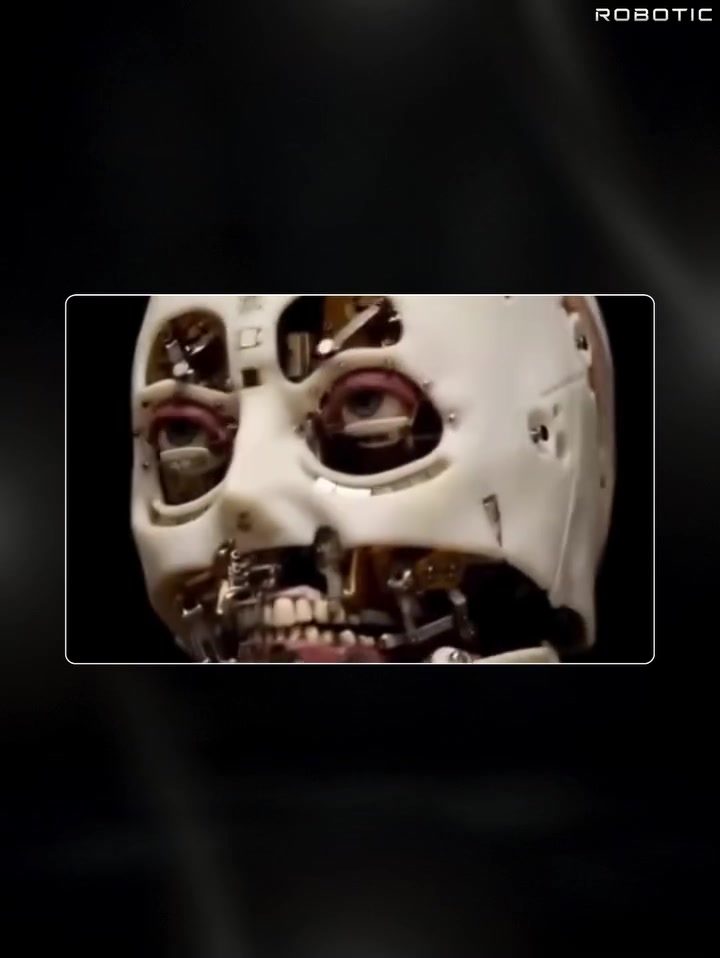
Robotic heads with lifelike gaze interactions are revolutionizing human-robot engagement and are blazing trails in humanoid robotics. These advanced machines are designed to mimic human behavior, creating an immersive and believable experience. Disney Research has spearheaded the creation of a sophisticated gaze system, showcasing the intricate details of their robotic head.
Why This Matters
As technology advances, the need for more realistic and interactive robots becomes increasingly important. These robotic heads aren't just about movement; they are designed to look, react, and make eye contact in ways that are surprisingly lifelike. This isn't just about creating a more engaging interaction; it's about making robots feel more human. Imagine a world where robots can detect people, recognize movement, and choose where to look, just like humans do. The implications for fields like healthcare, customer service, and companionship are vast. This kind of realism can enhance the emotional and physical well-being of users, making interactions more meaningful and comfortable.
Main Discussion
The System Behind the Gaze
The system behind these robotic heads is a complex blend of engineering and behavioral science. Disney Research has developed a sophisticated architecture that implements mutual gazing behavior, creating the illusion of life. This involves a subsumption architecture that layers simple motor movements, such as breathing, blinking, and saccades, to create increasingly complex and lifelike behaviors.
Key Movements and Behaviors
Saccades are rapid eye movements that allow humans to shift focus quickly. Robotic heads use this mechanism to move their eyes naturally, mimicking human behavior. Blinking, another essential movement, helps to create a more realistic appearance. Additionally, these robots are equipped with mechanisms that mimic human motor and attention behaviors, making their interactions more engaging.
Breaking Down the Detailed Functionality
Let's delve deeper into the behaviors that make these robotic heads so compelling:
Mutual Gazing Behavior
The ability to engage in mutual gazing is a critical aspect of human interaction. These robotic heads can detect and respond to human gaze, creating a more natural and interactive experience. This is achieved through advanced algorithms that analyze human movements and eye contact, allowing the robot to reciprocate in a lifelike manner.
Motor Movements
Simple motor movements like breathing and blinking are layered to create a more realistic appearance. These movements are not just about creating a convincing facade; they are essential for creating an immersive experience. For example, breathing adds a sense of life and vitality to the robotic head, while blinking makes the interaction feel more natural and less robotic.
Saccades
Saccades are quick, simultaneous eye movements that allow the eyes to move between two or more phases of fixation. These rapid movements are crucial for human vision and help to create the illusion of life in robotic heads. By mimicking saccades, robotic heads can shift their gaze more naturally, making the interaction feel more authentic.
The Importance of Attention Shifts
Attention shifts are crucial for human interaction. These shifts allow us to focus on different aspects of our environment, making our interactions more dynamic and engaging. Robotic heads are equipped with mechanisms that mimic these attention shifts, allowing them to engage in more natural and interactive behaviors.
Creating the Illusion of Life
The overall result of these complex systems and behaviors is an interactive human, autonomatronic experience. This means that the robotic heads can engage with people in a way that feels more lifelike and emotionally engaging. The illusion of life is created through a combination of motor movements, gaze interactions, and attention shifts, making the experience more believable and engaging.
Practical Tips
If you're interested in creating or understanding robotic heads with lifelike gaze interactions, here are some practical tips:
Understanding the Technology
Familiarize yourself with the technology behind these robotic heads. This includes understanding the concept of mutual gazing, subsumption architecture, and the various behaviors that create the illusion of life. It's also important to understand the different types of motor movements and their role in creating a lifelike appearance.
Implementing the Technology
If you're interested in implementing this technology, start by understanding the basics of robotic design and engineering. This includes learning about the different components that make up a robotic head, such as sensors, motors, and algorithms. You can then explore the more advanced concepts, such as gaze tracking and attention shifts.
Engaging with the Community
Engaging with the community of robotics enthusiasts and experts can provide valuable insights and resources. Attend robotics conferences, join online forums, and participate in workshops to learn from others and share your own experiences.
Important Takeaways
The development of robotic heads with lifelike gaze interactions represents a significant advancement in humanoid robotics. These robots are equipped with complex systems and behaviors that create the illusion of life, making interactions more engaging and emotionally meaningful.
Understanding the technology behind these robots can provide valuable insights into the future of robotics and its potential applications. By familiarizing yourself with the concepts of mutual gazing, motor movements, and attention shifts, you can gain a deeper understanding of how these robots work and how they can be improved.
Conclusion
The future of humanoid robotics is bright, and lifelike gaze interactions are at the forefront of this technological revolution. By creating robots that can detect, recognize, and respond to human behavior, we are paving the way for more immersive and engaging interactions. The potential applications are vast, from healthcare to customer service, and the possibilities are endless. As technology continues to evolve, so too will the capabilities of these robotic heads, making them an integral part of our daily lives.
Watch the Reel
Questions readers ask
How do Disney's robotic heads mimic human eye movement?
Disney's robotic heads use advanced technology to replicate human eye movements, including gaze direction, blinking, and rapid eye shifts. These movements are carefully calibrated to create a lifelike and engaging interaction, making the robots feel more human.
What makes Disney's robotic heads stand out in humanoid robotics?
Disney's robotic heads stand out due to their sophisticated gaze system, which allows for remarkably lifelike eye contact and movement. This level of realism fosters more immersive experiences and sets a new standard for humanoid robotics.
How can Disney's robotic heads enhance customer service?
By mimicking human behavior, Disney's robotic heads can provide more engaging and natural interactions in customer service roles. These robots can make eye contact, react appropriately, and create a more human-like connection, enhancing the overall customer experience.
What role do Disney's robotic heads play in healthcare?
In healthcare, Disney's lifelike robotic heads can assist in providing companionship and support. Their ability to mimic human gaze and movement can help create a more comforting and relatable presence, aiding in patient care and rehabilitation.
How are Disney's robotic heads designed to detect and interact with people?
Disney's robotic heads are equipped with sensors and sophisticated algorithms that enable them to detect and interact with people in a lifelike manner. The robots can track faces, follow movement, and respond with appropriate eye movements and facial expressions, creating a seamless and believable interaction.
What are the key technologies behind Disney's robotic gaze system?
Disney's robotic gaze system integrates several key technologies, including high-precision actuators for eye movement, advanced sensors for detecting human presence and motion, and complex algorithms for mimicking human eye behavior. These components work together to achieve a remarkably lifelike gaze.
How do Disney’s robotic heads contribute to advancements in humanoid robotics?
Disney's robotic heads contribute to advancements in humanoid robotics by demonstrating the potential for highly realistic human-like behavior. By focusing on lifelike gaze and movement, Disney's research paves the way for more immersive and engaging interactions, influencing future developments in the field.
Related deep dives
Similar reads based on topic and creator.


Recent articles
Fresh deep dives from the latest Reels we unpacked.




Comments
Be the first to comment.