Contaminated Food
Popeyes fried chicken is a beloved fast-food staple, but recent events have highlighted an unsettling issue in food safety.
Why This Matters
Food contamination is a serious concern that affects consumers' health and trust in food establishments. Understanding the implications of such incidents and knowing what to do when faced with a contaminated food product is crucial. This information helps ensure the safety and satisfaction of customers, and it highlights the importance of stringent hygiene and quality control measures in restaurants.
Main Discussion
The Incident
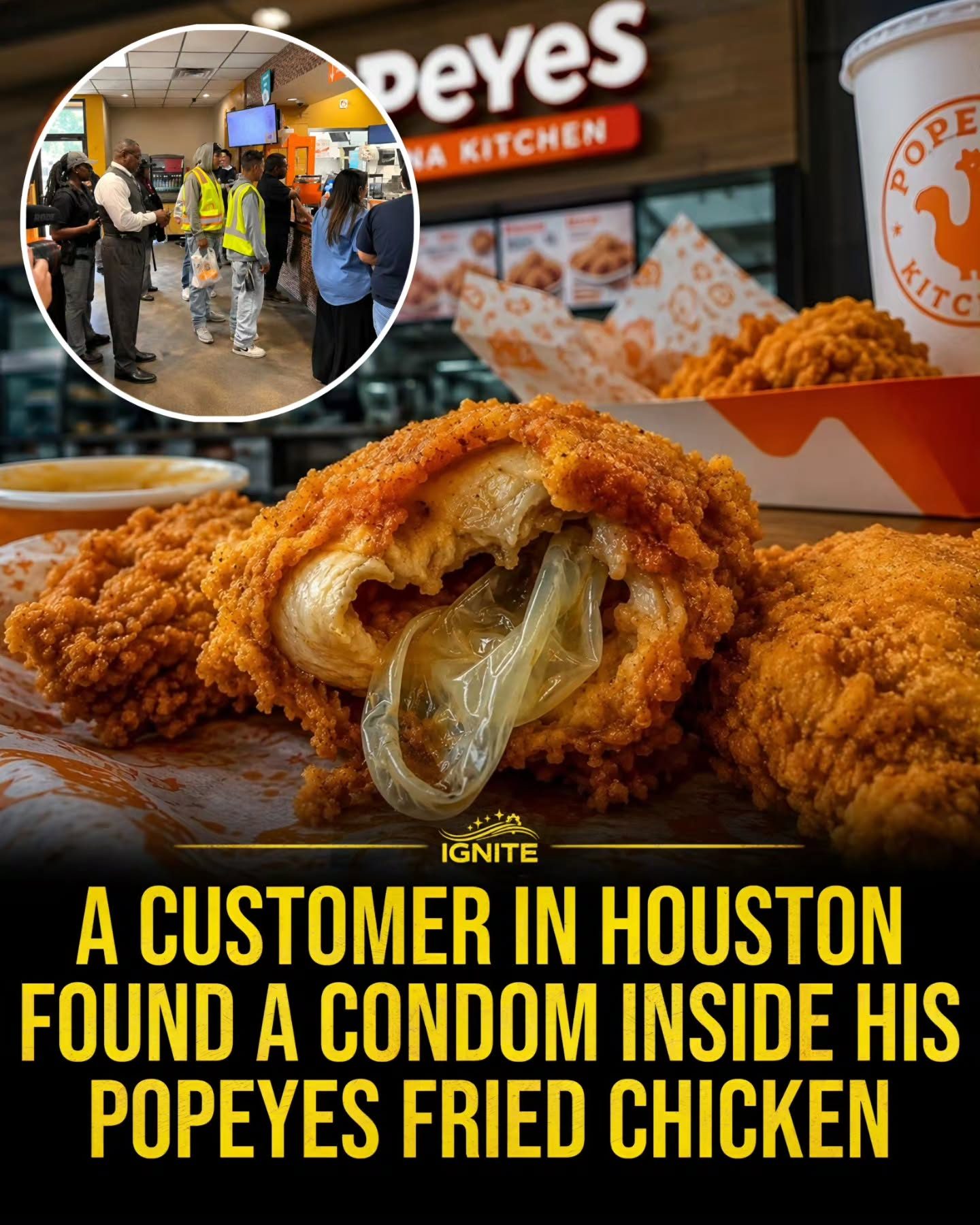
A customer in Houston made a disturbing discovery while enjoying a meal at Popeyes. The customer found a condom inside a piece of fried chicken. This incident underscores potential lapses in food handling and preparation that can lead to serious health risks and a loss of consumer trust. Such incidents are rare, but they emphasize the need for vigilance and strict safety protocols in foodservice industries.
Health Implications
Contamination of food with foreign objects poses a variety of health risks. The presence of a condom in food can lead to physical harm, such as choking or gastrointestinal blockage. Additionally, it can cause psychological distress, as the consumer may experience disgust, fear, or anxiety. Relying on food safety regulations and following proper hygiene practices is essential to prevent these kinds of incidents.
Legal and Regulatory Framework
In the United States, food safety is regulated by the Food and Drug Administration (FDA) and the United States Department of Agriculture (USDA). These agencies set standards for food handling, preparation, and storage to minimize the risk of contamination. Establishments that fail to meet these standards can face severe penalties, including fines, closure, and legal action, putting the reputation and future of the business in jeopardy.
Consumer Protection and Rights
Consumers have the right to expect safe and uncontaminated food when dining out. When faced with a contaminated food product, consumers should immediately report the incident to the restaurant management and local health authorities. This action not only helps to address the issue but also ensures that others are protected from potential harm.
Preventive Measures
Restaurants and foodservice providers must implement comprehensive food safety measures to prevent contamination. This includes:
- Training: Ensuring that all staff are properly trained in food safety and hygiene practices.
- Inspections: Conducting regular self-inspections and adhering to health department guidelines.
- Procedures: Establishing and following standard operating procedures for food handling, preparation, and storage.
- Equipment: Using proper equipment and maintaining it regularly to ensure cleanliness and safety.
Practical Tips
For Consumers
- Inspect Your Food: Always inspect your food for any signs of contamination before consuming it.
- Report Incidents: If you find a foreign object in your food, report it immediately to the restaurant management and local health authorities. This can help prevent similar incidents in the future.
- Document Evidence: Take photos or videos of the contaminated food as evidence. This can be useful if you decide to take legal action.
- Seek Medical Attention: If you experience any health issues after consuming contaminated food, seek medical attention right away.
- Avoid Contaminated Areas: If you suspect that a particular area of the restaurant is contaminated, avoid it and inform the management.
For Restaurants
- Staff Training: Provide regular training to your staff on food safety and hygiene.
- Quality Control: Implement a robust quality control system to identify and prevent contamination.
- Cleanliness: Maintain a clean and hygienic environment in the kitchen and dining areas.
- Reporting: Develop a system for reporting and addressing food contamination incidents promptly and effectively.
- Customer Feedback: Encourage customers to provide feedback on their experience and address any complaints immediately.
Important Takeaways
- Food contamination can have serious health and psychological implications.
- Customers have the right to safe and uncontaminated food.
- Restaurants must implement strict food safety measures to prevent contamination.
- Prompt reporting and thorough investigations are crucial in addressing contamination incidents and preserving public trust.
Conclusion
The presence of a condom in Popeyes fried chicken highlights the importance of food safety and the need for stringent hygiene and quality control measures in restaurants. By understanding the implications of such incidents and taking preventive measures, both consumers and foodservice providers can ensure the safety and satisfaction of all parties involved. While such incidents are rare, they serve as a reminder of the importance of vigilance and adherence to food safety regulations.
Watch the Reel
Questions readers ask
What should a customer do if they find a foreign object in their food at a restaurant like Popeyes?
If a customer finds a foreign object in their food, they should immediately notify the restaurant staff. It's important to keep the contaminated food and any packaging for evidence. Additionally, the customer should consider contacting local health authorities to report the incident and protect other consumers.
How can restaurants like Popeyes prevent such incidents from occurring?
Restaurants can prevent such incidents by implementing stringent hygiene and quality control measures. This includes regular staff training, regular cleaning and maintenance of kitchen equipment, and consistent monitoring of food preparation processes. Regular inspections by health authorities can also help identify and rectify potential issues.
What are the potential health risks associated with food contamination?
Food contamination can lead to serious health risks, including food poisoning, allergic reactions, and other illnesses. Consuming contaminated food can result in symptoms such as nausea, vomiting, and diarrhea, and in severe cases, it may require medical attention.
Why is it important for Popeyes to address this controversy publicly?
Addressing the controversy publicly helps Popeyes maintain transparency and rebuild customer trust. By acknowledging the incident and outlining the steps they are taking to prevent future occurrences, Popeyes can demonstrate their commitment to food safety and customer satisfaction. This also helps in mitigating potential damage to their reputation.
What steps can health authorities take to ensure food safety in restaurants?
Health authorities can conduct regular inspections, enforce strict hygiene standards, and impose penalties for non-compliance. They can also mandate food safety training for restaurant staff and require regular maintenance of kitchen facilities. Additionally, encouraging customers to report incidents can help health authorities take swift action when necessary.
Recent articles
Fresh deep dives from the latest Reels we unpacked.




Comments
Be the first to comment.